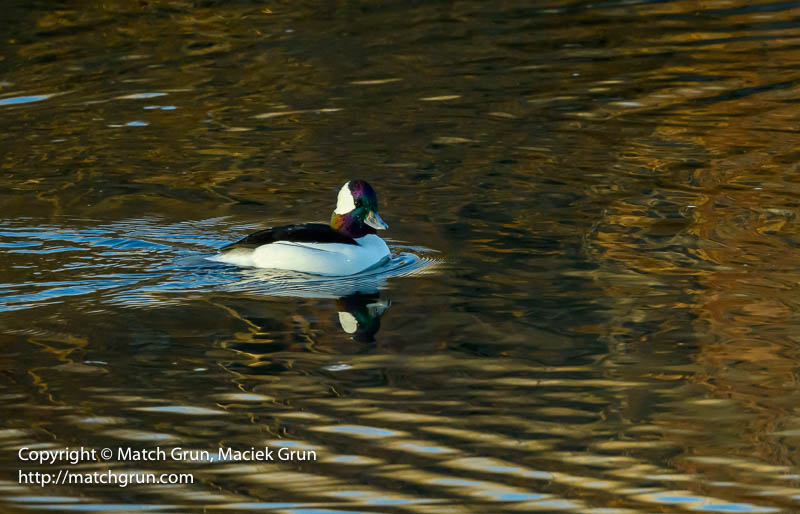
≡ Menu

Searching For Barrows…

There is a Barrow’s Goldeneye that winters in the South Platte River every year. I don’t know whether this is the same duck that we have seen every year, or not. The male duck is very easy to identify, but the female is much more difficult. The female looks very similar to the female Common Goldeneye. Last week, I went on a quest to find the female(s).

After confirming that the Barrow’s is still here, I returned the next day in a quest to find the female. Of course, I found some other species. On arriving at the river, I found this pair of American Wigeons.
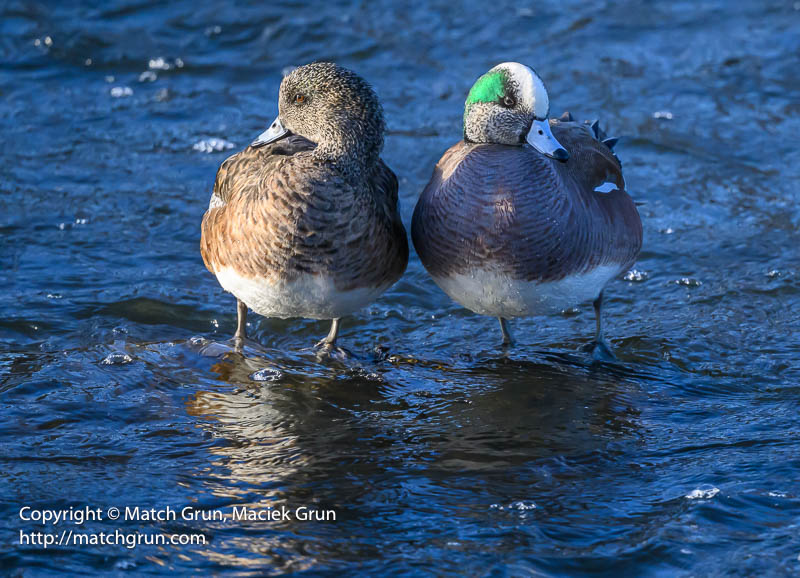
2972-0004-Pair-Of-American-Wigeons-South-Platte-River
Pair Of American Wigeons, South Platte River.

Soon, I found a group of female Goldeneye ducks. I worked my way downstream and upstream a few times, making several images along the way. In this image, I managed to capture a Common Goldeneye flapping her wings.
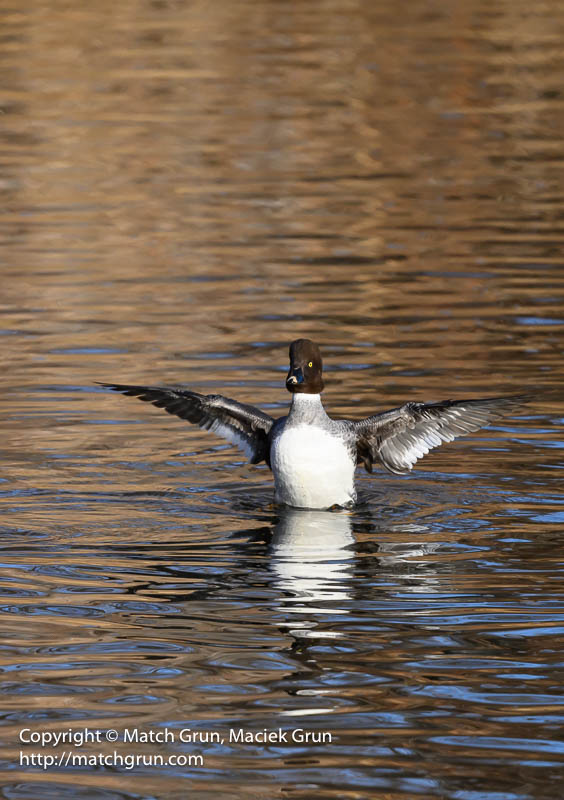
2972-0010-Female-Common-Goldeneye-Spreading-Wings
Female Common Goldeneye Spreading Wings.

Now, were there any female Barrows? I found another female Goldeneye that started to flap her wings. Was it a Barrow’s? The bill has much more yellow than the common species. The head is a different shade of brown. This female had a different shape of head when compared to the common females; closer in shape to the male. Yes. Found the female Barrow’s Goldeneye!
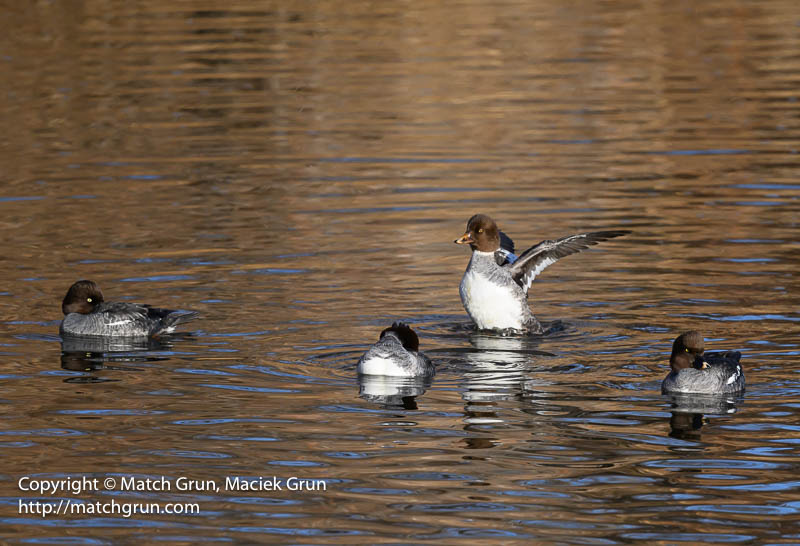
2972-0013-Common-And-Barrows-Goldeneye-Female-Barrows-Flapping-Wings
Common And Barrow’s Goldeneye Female, Barrow’s Flapping Wings.

Eventually the male Barrow’s Goldeneye, made his way upstream to the join the group of females. In this image, I managed to capture both male and female as they turned around and headed downstream.
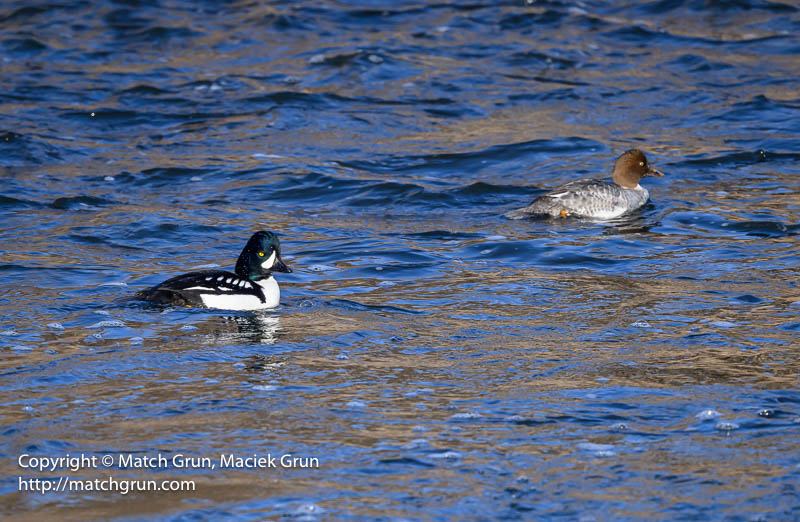
2972-0032-Male-And-Female-Barrows-Goldeneye-South-Platte
Male And Female Barrow’s Goldeneye, South Platte,

Most of the Goldeneye ducks were swimming upstream and downstream, swimming and diving as they were foraging for food. They repeated this several times during my time observing them. In the following image, I captured the male with three females following behind; one Barrow’s female and two Common females. They soon passed the male Buffelhead (see below). The difference between the Barrow’s and Common can be seen here.
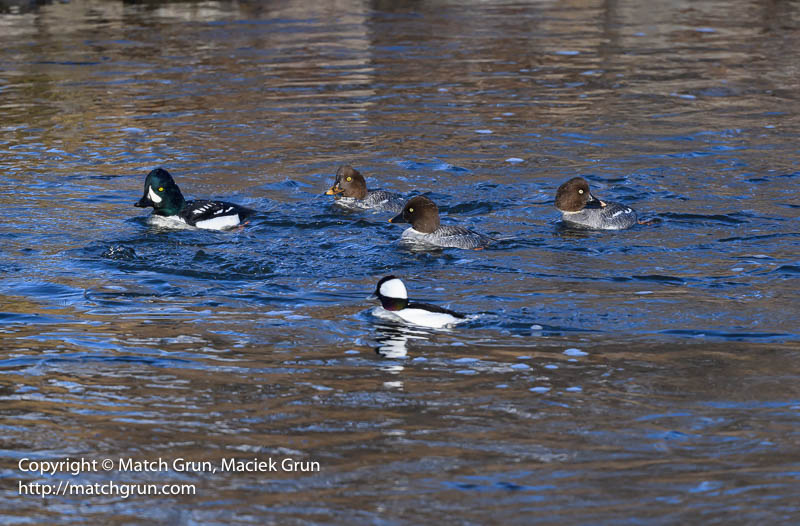
2972-0035-Barrows-Goldeneye-Male-With-Females-South-Platte
Barrow’s Goldeneye Male, With Females, South Platte.

Occasionally, the ducks take flight to move upstream, instead of paddling against the water flow. I managed to capture this one female Common Goldeneye as she took flight.
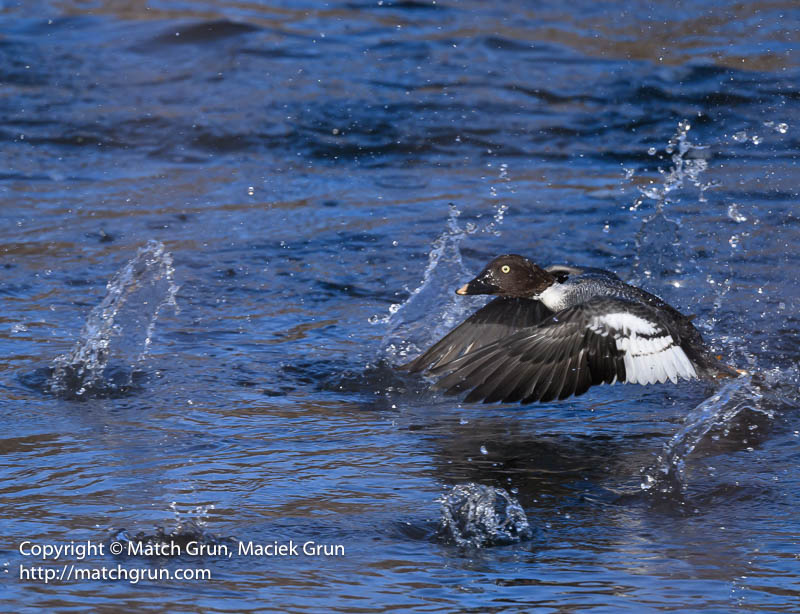
2972-0041-Female-Common-Goldeneye-Taking-Flight
Female Common Goldeneye, Taking Flight.

There are several other specifies of birds in the South Platte river at this location. I found this solitary Canada Goose on a sandbar in the river.
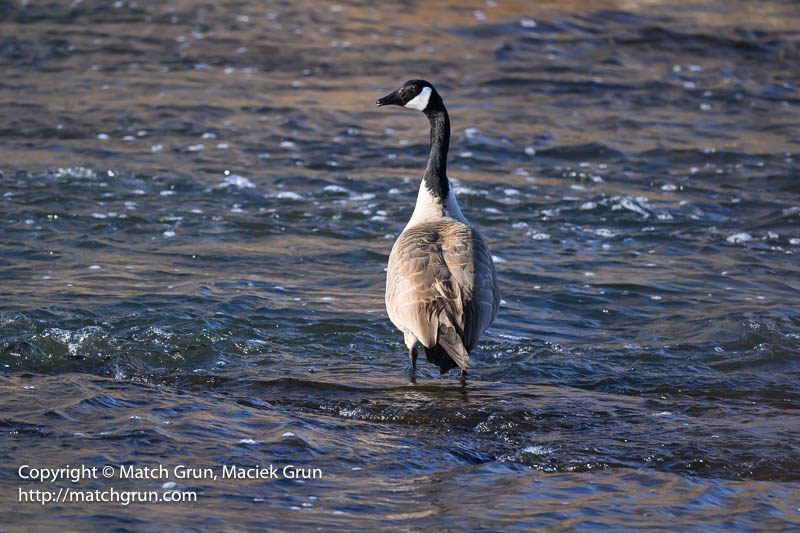
2972-0027-Canada-Goose-In-South-Platte-River-Overland-Park
Canada Goose In South Platte River, Overland Park.

As I was returning to the parking lot, a pair of Northern Flickers landed on a tree as I walked under the tree. I managed to get a very decent image of one of these Flickers.
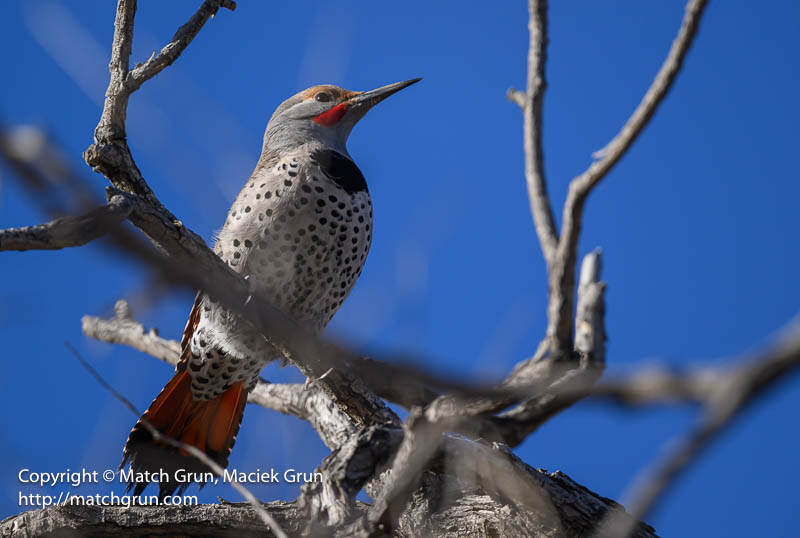
2972-0051-Northern-Flicker-Overland-Park
Northern Flicker, Overland Park.

Found the female Barrow’s Goldeneye. Mission accomplished!
{ 0 comments }

Some Impressionist Images

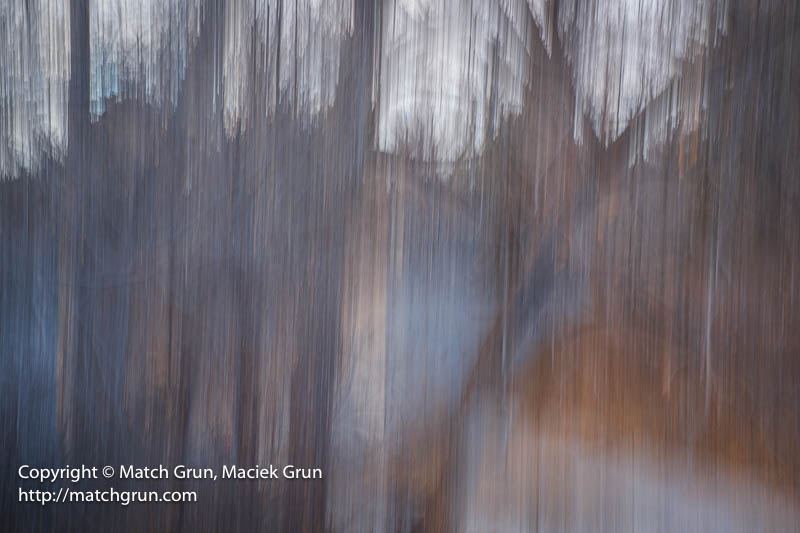
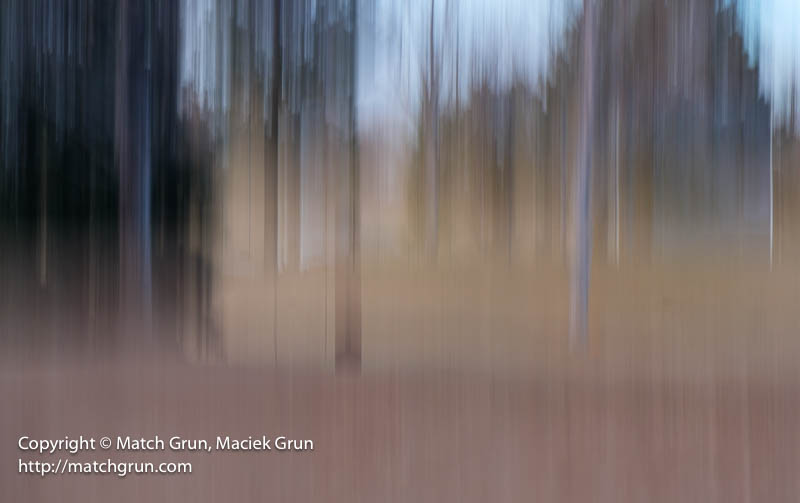
One of the techniques for creating impressionist images with photography, is Intentional Camera Movement, or ICM. Here is a collection of some of the ICM images that I captured during daily walks through our neighborhood.

2962-0002-ICM-Harvard-Gulch-No-1
ICM Harvard Gulch No 1.

These images are made by moving the camera vertically, or horizontally, while make the exposure.

2962-0010-ICM-Harvard-Gulch-No-2
ICM Harvard Gulch No 2.

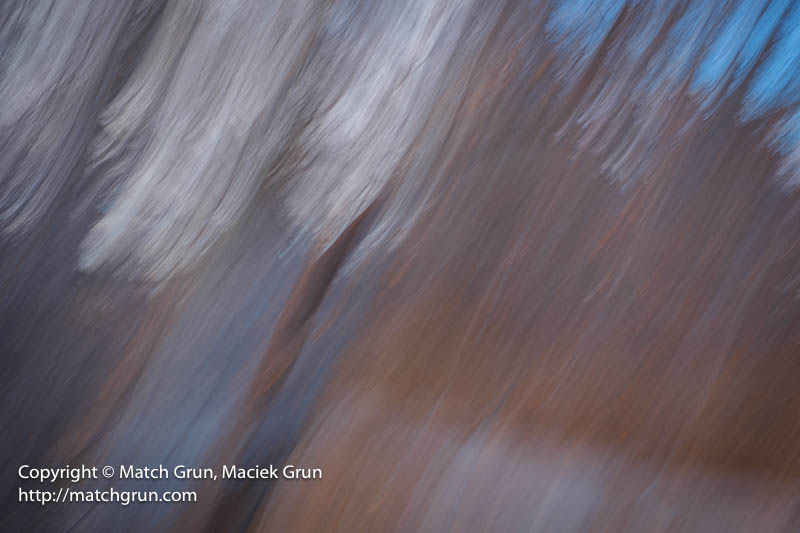
In the following image, the camera was moved diagonally.

2962-0011-ICM-Harvard-Gulch-No-3
ICM Harvard Gulch No 3.

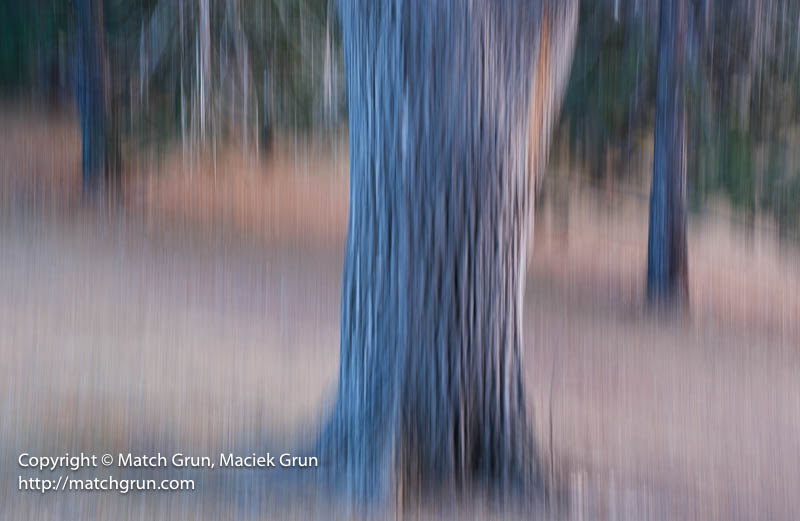
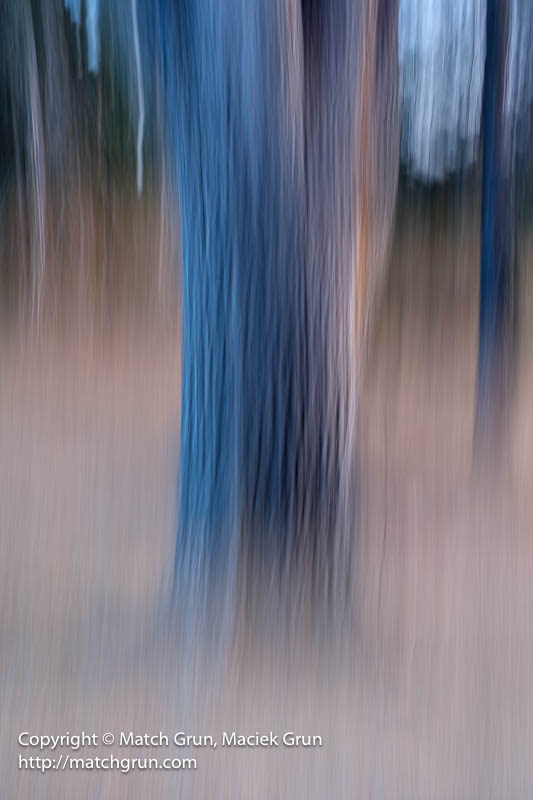
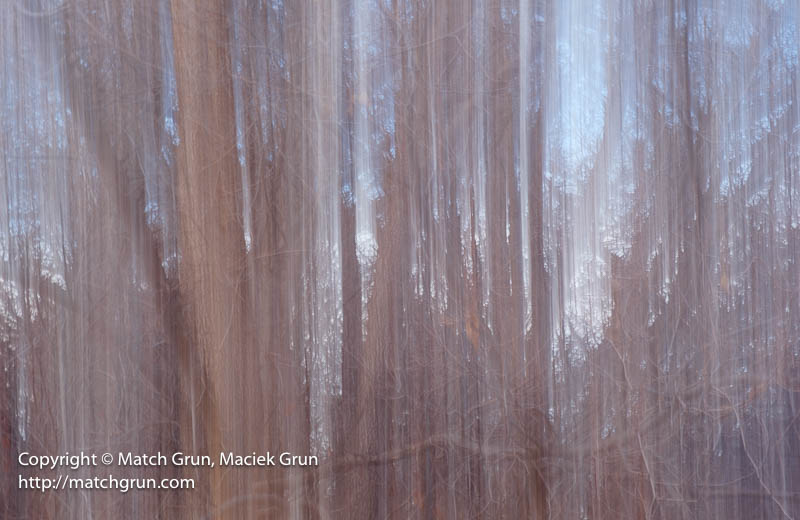
The following images were made in Rosedale Park, before the last snow storm.

2962-0019-ICM-Rosedale-Park-No-1
ICM Rosedale Park No 1.

2962-0034-ICM-Rosedale-Park-No-2
ICM Rosedale Park No 2.

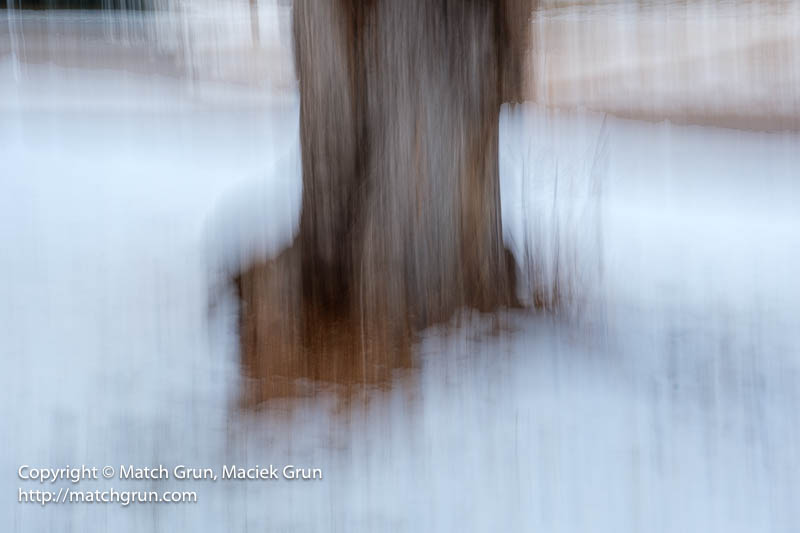
The most recent snow storm dumped much snow in Harvard Gulch. Here is one image that includes snow around the tree being captured.

2969-0002-ICM-Harvard-Gulch-No-4
ICM Harvard Gulch No 4.

I stopped by an area where there were several bushes growing close together along the gulch to capture this image.

2969-0004-ICM-Harvard-Gulch-No-5
ICM Harvard Gulch No 5.

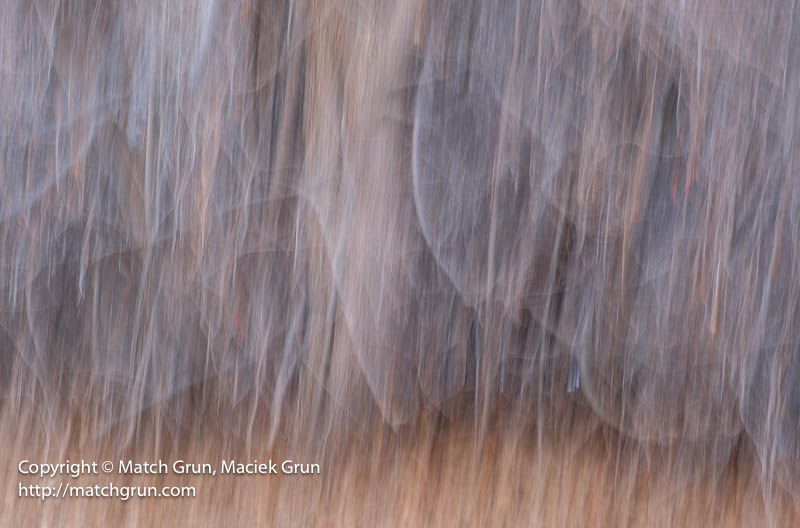
In the following image, the bushes contained several curved branches. Since I moved the camera more slowly than the earlier images, these branches retained more of their curves.

2969-0009-ICM-Harvard-Gulch-No-6
ICM Harvard Gulch No 6.

Enjoy.

{ 0 comments }

Bosque Del Apache, January 2024 — day 3

The morning of the third day, was the last opportunity to visit Bosque Del Apache Wildlife Refuge before heading back home. Leaving the hotel, I headed to the north loop of the refuge. I did find a Northern Harrier but it was too far away and spent a lot on time on the ground in the distance.

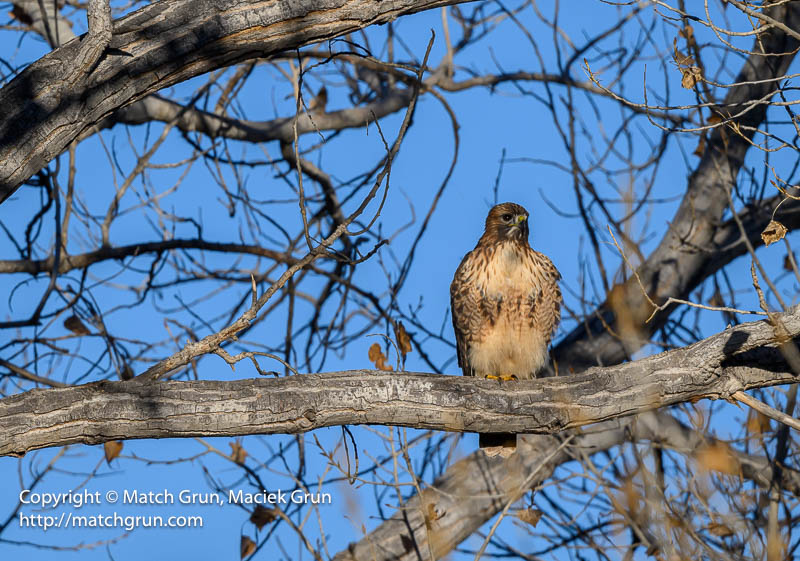
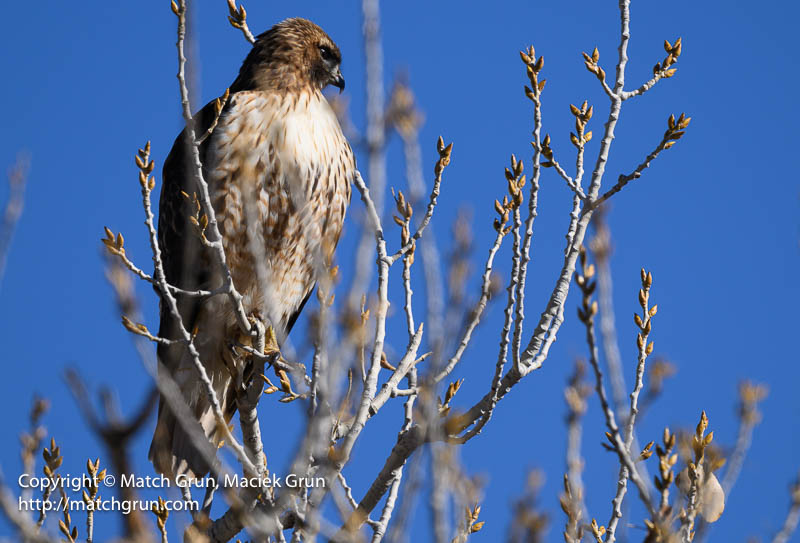
However, as I continued along the road, I noticed a Red-Tailed Hawk in a tree across from the irrigation channel by the roadside. I just waited to see what would happen and made several of images, including the following one. Red-Tailed Hawks have a very distinctive call that I heard several times from this hawk.

Later on, while we were reviewing images at home, we noticed that there was a second Red-Tailed Hawk hidden behind the branches to the left of this hawk. I never noticed the second bird, and therefore did not attempt to capture an image with two hawks. C’est la vie!

2955-0014-Red-Tailed-Hawk-Bosque-Del-Apache-No-2
Red-Tailed Hawk, Perched, Bosque Del Apache, No 2.

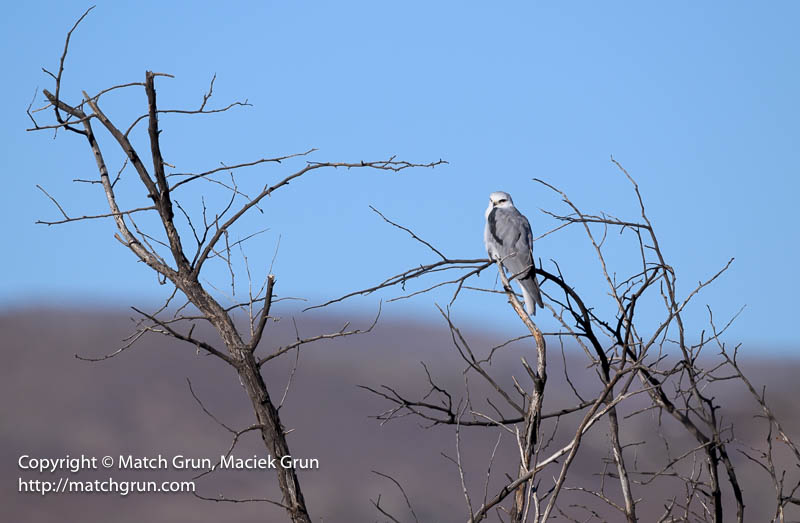
There were several reports of a pair of White-Tailed Kites at Bosque Del Apache. Soon, rounding a bend, I noticed several folks who had stopped along the road. They had found one of the kites. So I got my gear out and captured several images. This kite was a fair distance away, and so it was small in the frame. What luck!

2955-0058-White-Tailed-Kite-Bosque-Del-Apache
White-Tailed Kite, Bosque Del Apache.

The previous day, I had met a lady who was asking about the kites. Soon she arrived, so I pointed the kite out to her. We chatted a while, and then I left the refuge to make my way home.

{ 0 comments }

Bosque Del Apache, January 2024 — day 2

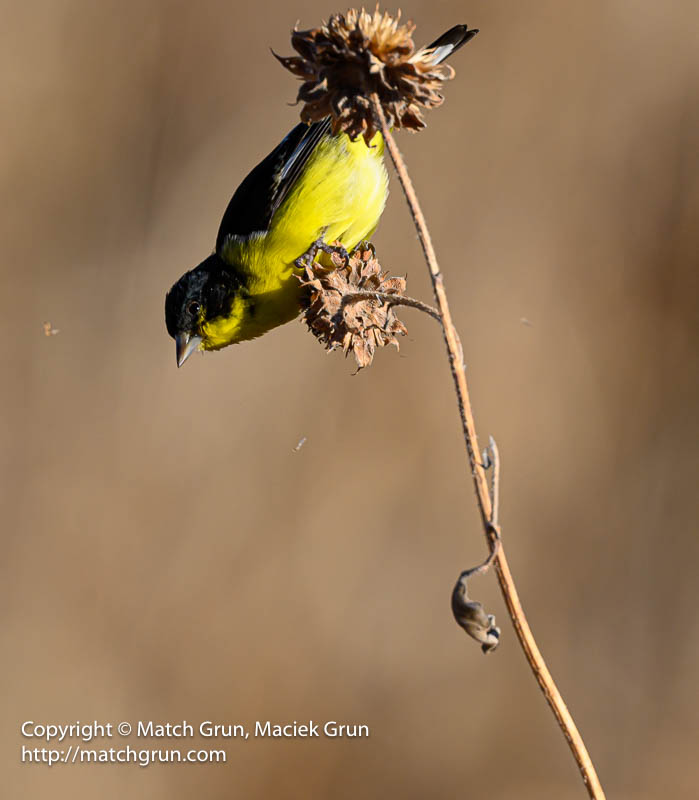
One of the most interesting birds to watch and to photograph, is the Northern Harrier. In the early morning on the second day, visiting Bosque Del Apache, I headed along the north loop road, where I have seen Harriers many times in the past. Here I found a flock of Lesser Goldfinches that were feed from the thistles. This little guy was hanging from one thistle to feed from seeds of the second thistle below.

2953-0013-Lesser-Goldfinch-Feeding-On-Thistle
Lesser Goldfinch, Feeding On Thistle.

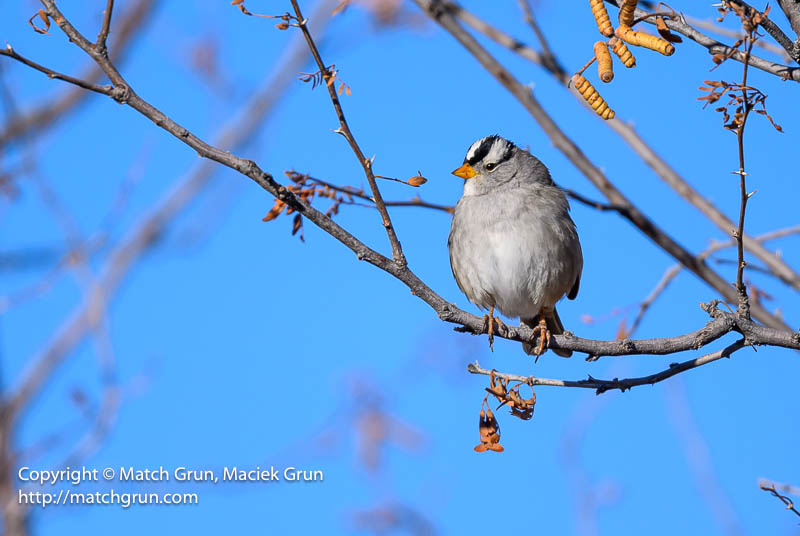
I had met several people who had mentioned that there was a pair of White-Tailed Kites in the wildlife refuge. While driving on the loop, I met a couple of photogs who had seen and captured images of one of the kites earlier in the morning. While chatting about the kites, this White-Crowned Sparrow flew by and then perched on a branch in a nearby bush.

2953-0022-White-Crowned-Sparrow-At-Sunrise-Bosque-Del-Apache
White-Crowned Sparrow At Sunrise, Bosque Del Apache,

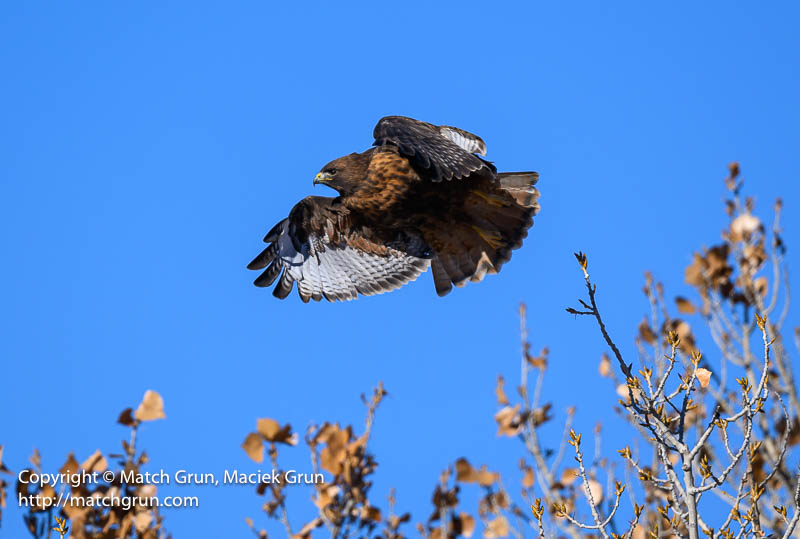
The kite was no where to be found. Later in the day, I circled back to the north loop. The open fields were a popular location to find raptors hunting. I found this Red-Tailed Hawk perched on a tree at the roadside. It must have seen some prey and took flight to the opposite roadside. A few seconds later, it had landed in the grass, found nothing and flew off to another tree. However, I did manage to capture a couple of images as this hawk took flight from the perch.

2953-0029-Red-Tailed-Hawk-Taking-Flight-No-1
Red-Tailed Hawk, Taking Flight, No 1.

Later that afternoon, I found another Red-Tailed Hawk perched on a tree, also on the north loop.

2953-0048-Red-Tailed-Hawk-Perched-Bosque-Del-Apache-No-1
Red-Tailed Hawk, Perched, Bosque Del Apache, No 1.

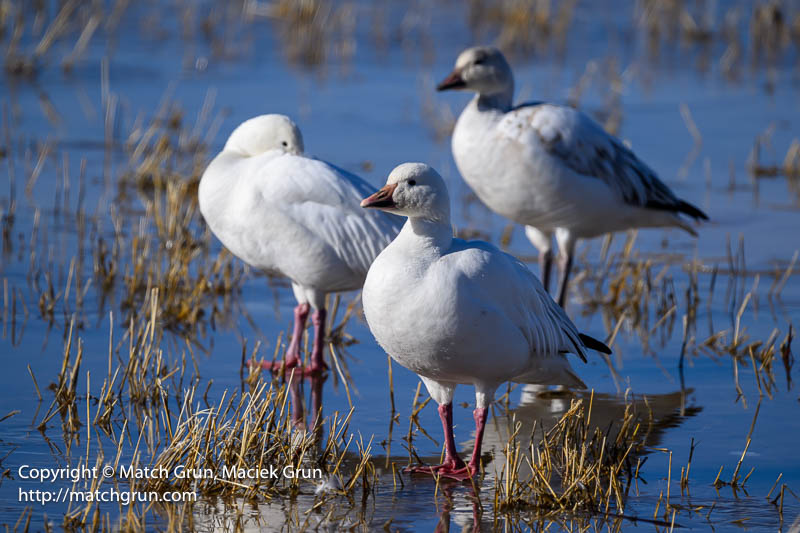
Bosque Del Apache is a well-known winter location for Sandhill Cranes and Snow Geese. This year, I did not see many Snow Geese on the first day; they had found roosting and feeding grounds at Bernado, another location about 40 miles north of Bosque. However, on this second day, I did see a flock of Snow Geese fly in during the morning.

2953-0058-Snow-Geese-Bosque-Del-Apache
Snow-Geese, Bosque Del Apache.

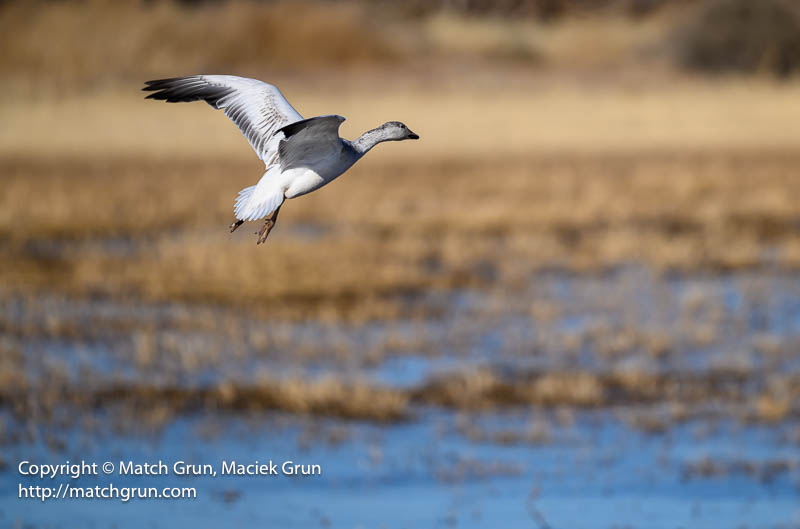
Later that afternoon, I found the flock in the refuge captured some images, including the one above and below. I have made several images in previous visits, and so I did not spend much time with this flock.

2953-0094-Snow-Goose-Coming-In-To-Land
Snow Goose, Coming In To Land.

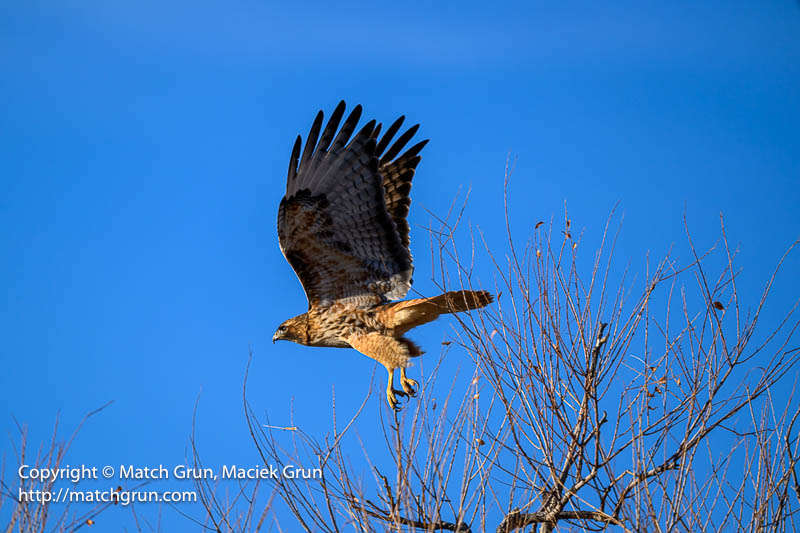
Back on the north loop, I found another Red-Tailed Hawk. I captured the following image as it took flight.

2953-0137-Red-Tailed-Hawk-Taking-Flight-No-2
Red-Tailed Hawk, Taking Flight, No 2.

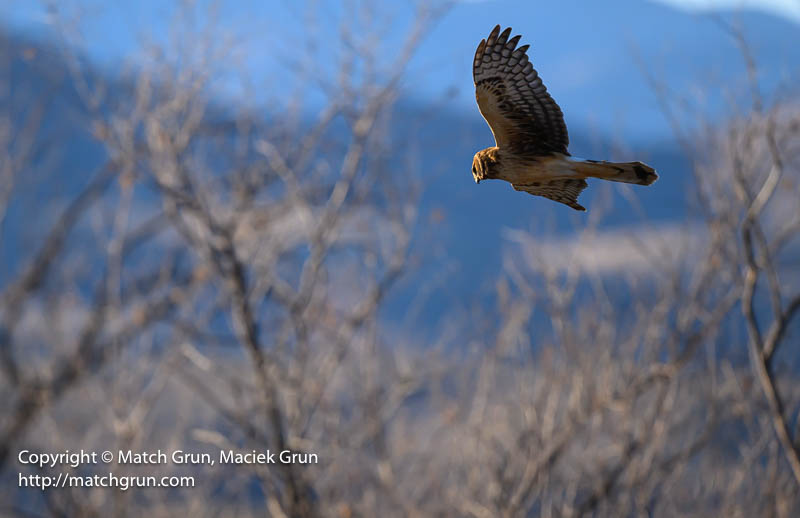
As I mentioned earlier, the Northern Harrier is an interesting bird to watch. Even more difficult to photograph successfully. This Harrier flies close to the ground looking for prey. They are highly maneuverable and will suddenly turn as something catches their attention. Very soon, their flight takes them a long way from the camera and one loses track of them! Soon they may return by a different path, maybe passing really close, so patience is good habit.

I had found a location where there were sparrows feeding among the low bushes. Pretty soon this Harrier was weaving between the trees hunting for prey. This is one image where the Harrier was close enough and not obscured by the tree branches.

2953-0198-Northern-Harrier-In-Flight-Hunting
Northern Harrier, In Flight, Hunting.

Birds in flight are the most difficult to capture, so I am happy with the results. To my mind, the Northern Harrier is the most challenging to capture, so it will keep me engaged for a long time!

{ 0 comments }

Bosque Del Apache, January 2024

Earlier this month, I made a trip to Bosque Del Apache National Wildlife Refuge for some birding and make photographs. This year it was windy, overcast and really cold when I arrived at the wildlife refuge. After a couple of days, the wind subsided but it remained cold for much of the days.

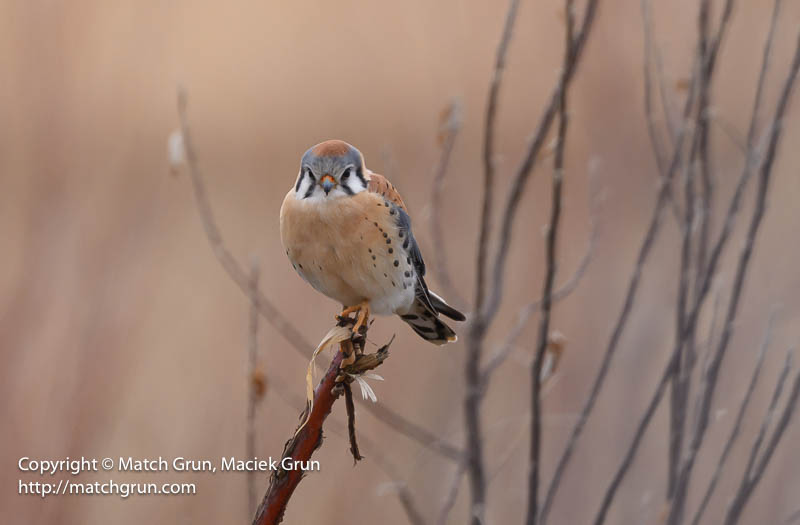
For the first time, I managed to get a decent image of an American Kestrel; the overcast weather softened the light so we can see a lot of detail in the shadows.

2951-0023-American-Kestrel-Bosque-Del-Apache
American Kestrel, Bosque Del Apache.

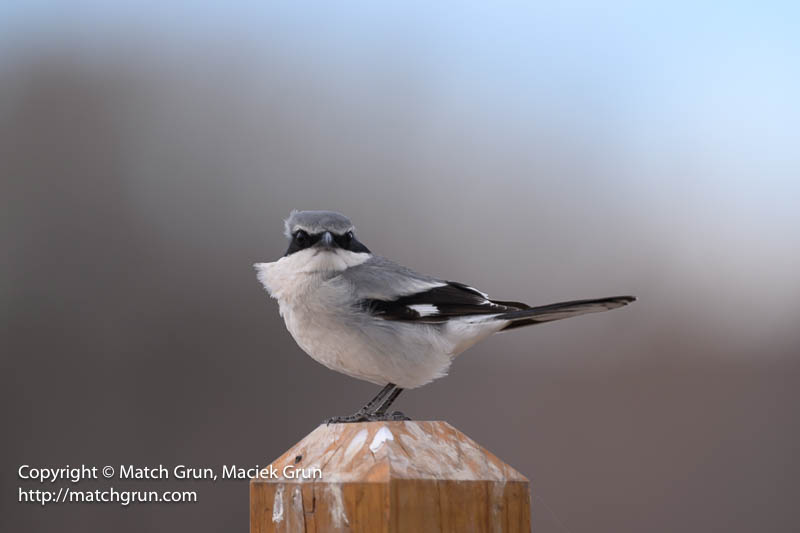
Near the entrance to the wildlife refuge, a Loggerhead Shrike was perched on a fence post.

2951-0031-Loggerhead-Shrike-Perched-On-Post
Loggerhead Shrike, Perched On Post.

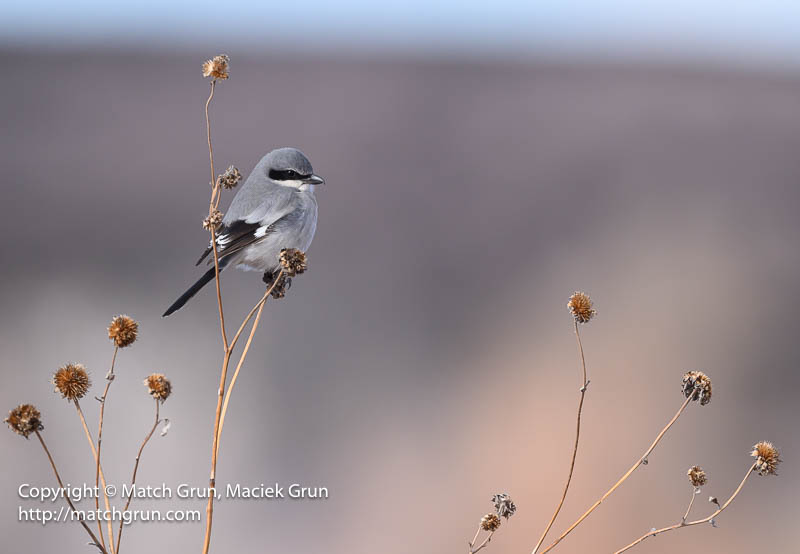
Later that first day, I made this image of the shrike on a thistle. It may have been the same bird but was about a 1/4-mile away from the first image.

2951-0049-Loggerhead-Shrike-On-Thistle
Loggerhead Shrike, Perched On Thistle,

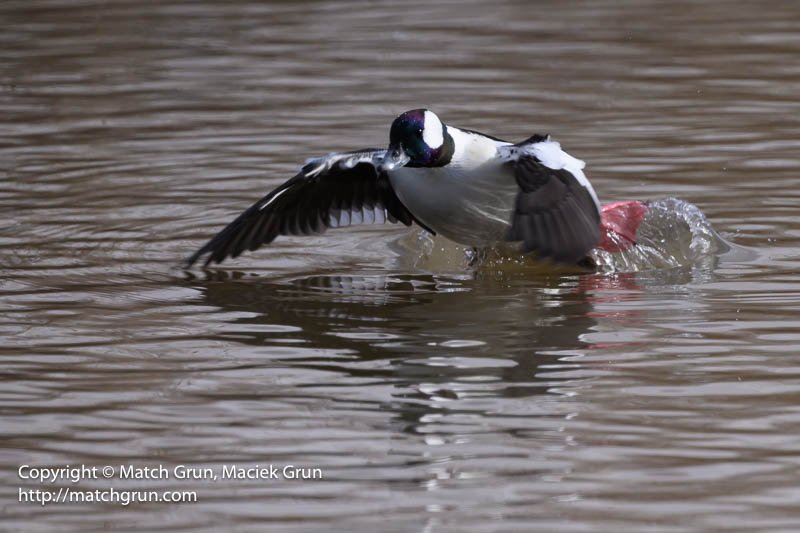
Alongside the south loop, I found a frozen pond where a group of Yellowlegs were waiting for the ice to thaw that morning. Later in the day, I returned to the same pond to find the ice had thawed. Several other birds had moved in during the day. While observing the birds, this male Buffelhead Duck spent much of the day, paddling downstream in the pond, feeding occasionally. Once he reached the end, he would fly to the other end of the pond, and repeat the process. I did manage to capture this one image as he was taking flight from the end of the pond.

2951-0067-Buffelhead-Duck-Taking-Flight-Bosque-Del-Apache
Buffelhead Duck Taking Flight, Bosque Del Apache.

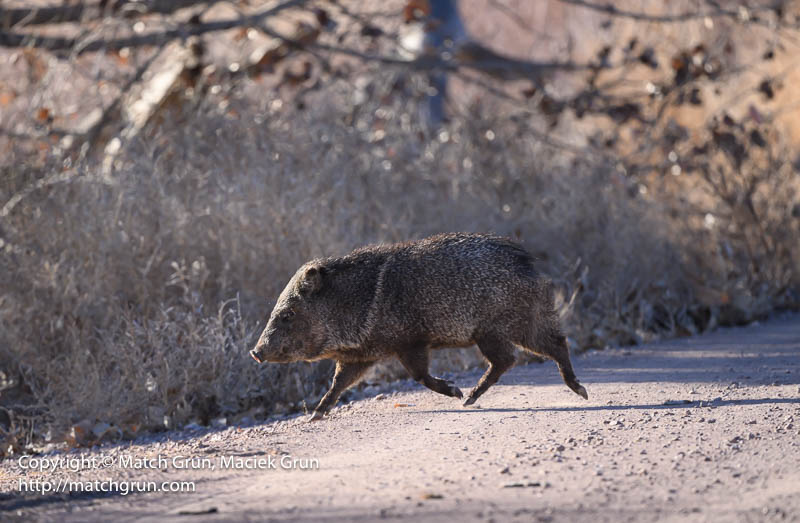
There are several other animals that may be found in New Mexico. I found this Javelina crossing the road to join a group of Javelina grazing in the field to the left.

2951-0091-Javelina-Crossing-Road-Bosque-Del-Apache
Javelina Crossing Road, Bosque Del Apache.

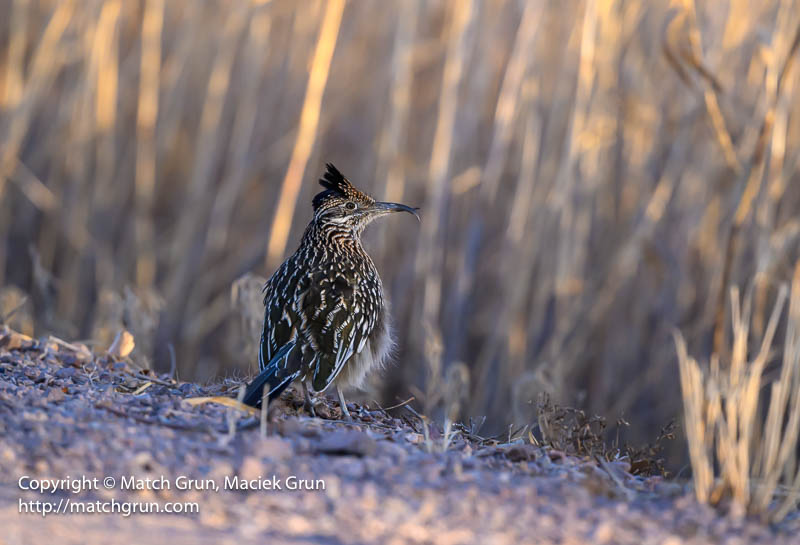
Towards the end of the day, a Roadrunner approached me. It seemed that this Roadrunner was working one stretch of road that runs between two ponds. This is one image that I captured close to sunset.

2951-0111-Roadrunner-At-Roadside-Bosque-Del-Apache
Roadrunner At Roadside, Bosque Del Apache.

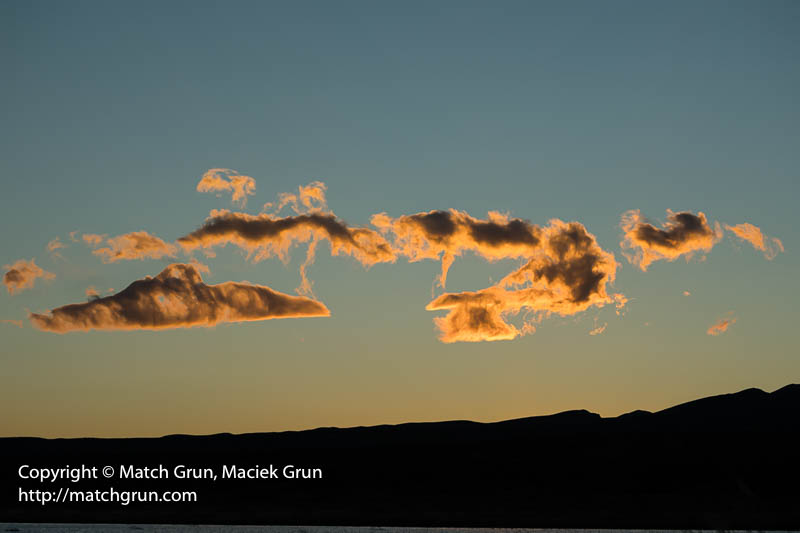
At the end of daylight, I headed out of the refuge for some dinner. The sun had set behind the mountains to the west of the refuge. However, the last rays for sunlight lit up the few remaining clouds in the sky.

2951-0116-After-Sunset-Bosque-Del-Apache
After Sunset, Bosque Del Apache.

More to come.

{ 0 comments }

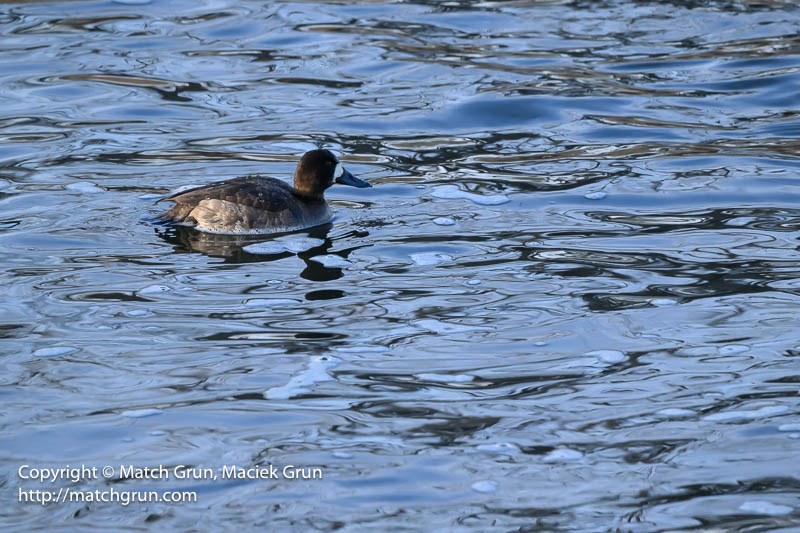
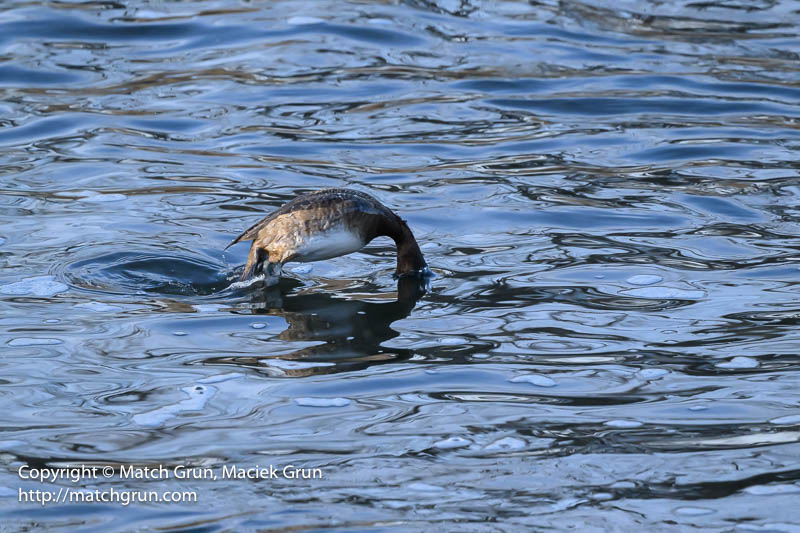
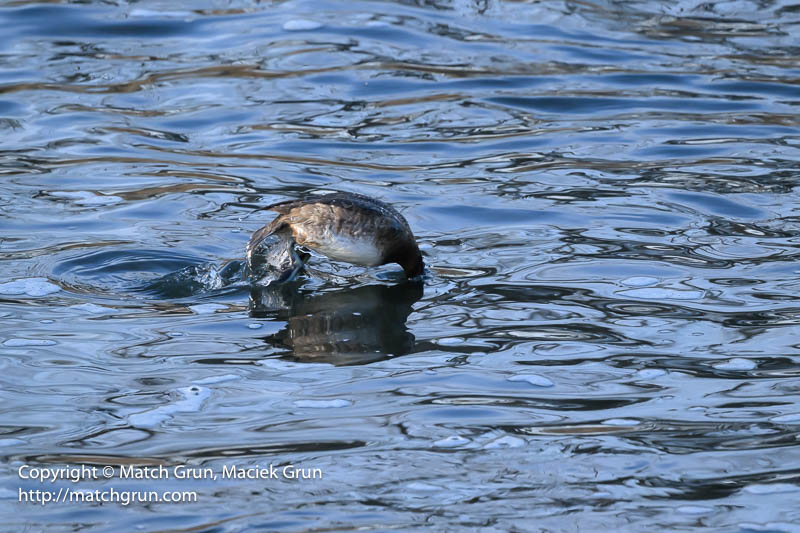
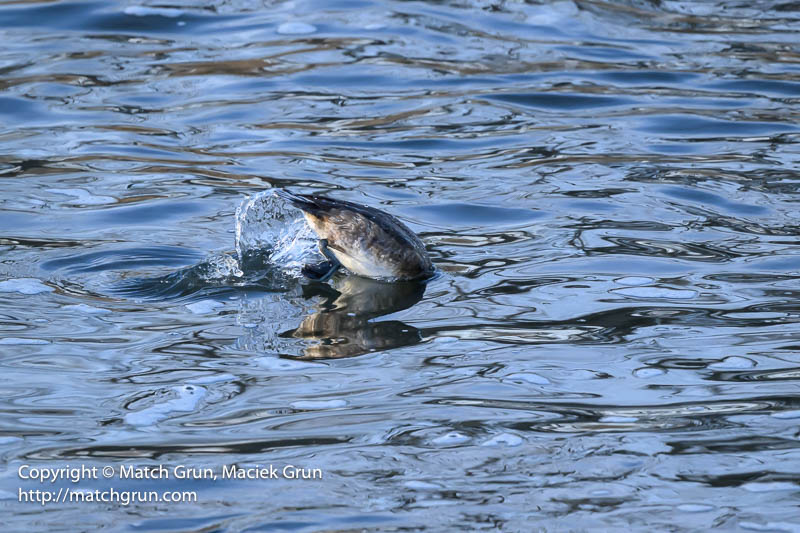
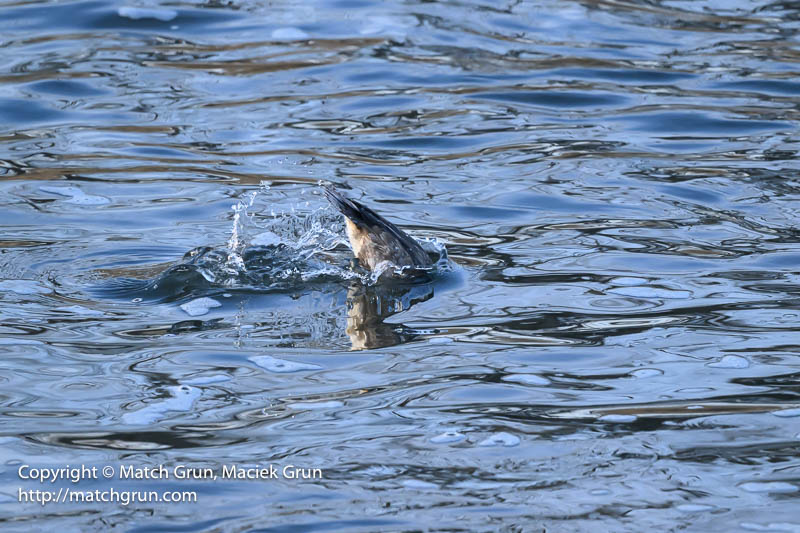
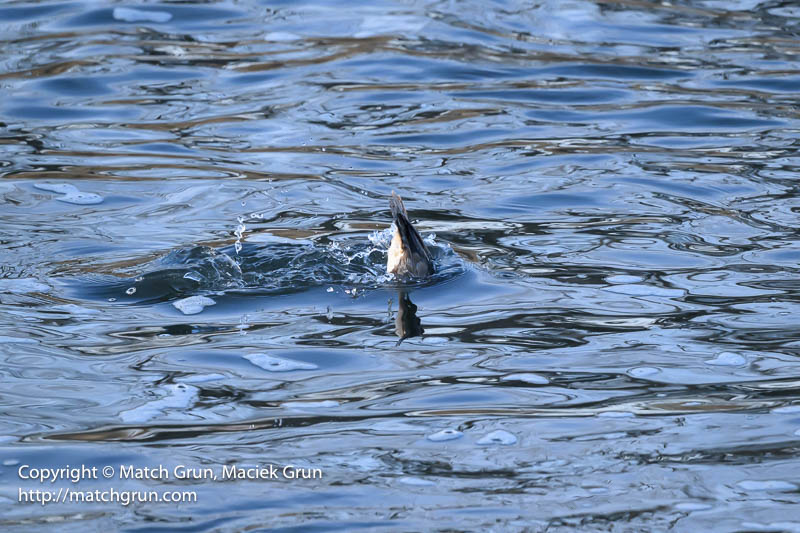
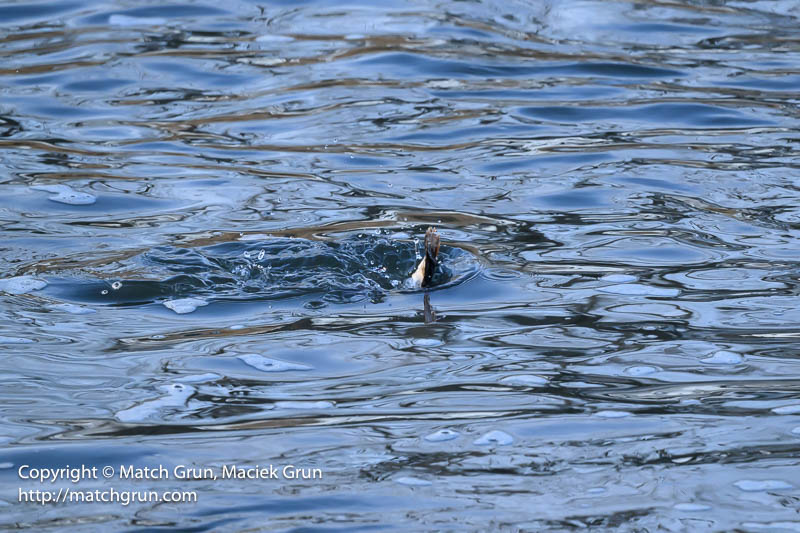
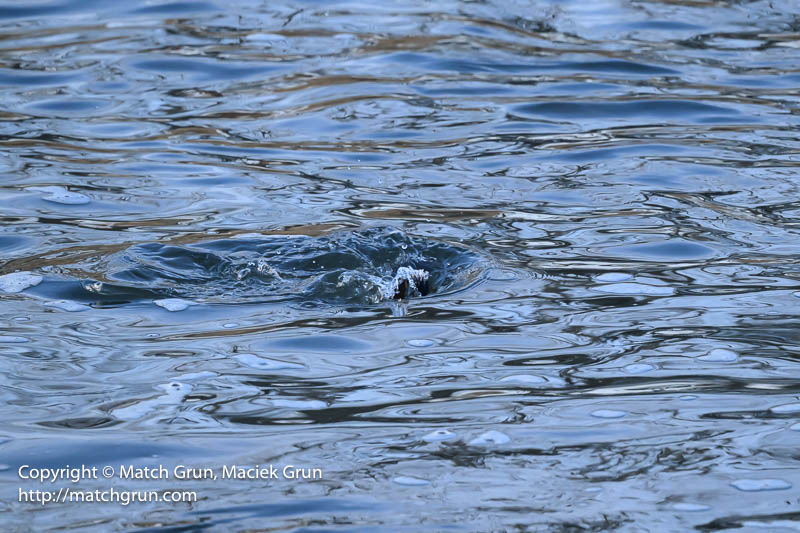
During our afternoon trip to Reynold’s Landing, we discovered a Lesser Scaup (a duck), that was diving for food in the river. I managed to get reasonably close to the Scaup as it dived below the surface. After watching the Scaup’s behavior, I decided to attempt a sequence of several consecutive images from the start of the dive until the the scaup was underwater. After many attempts, I eventually managed to capture a complete sequence from start.

2943-0123-Lesser-Scaup-South-Platte-River
Lesser Scaup, South Platte River.

2943-0124-Lesser-Scaup-Diving-Sequence-1
Lesser Scaup, Diving Sequence 1.

2943-0125-Lesser-Scaup-Diving-Sequence-2
Lesser Scaup, Diving Sequence 2.

2943-0126-Lesser-Scaup-Diving-Sequence-3
Lesser Scaup, Diving Sequence 3.

2943-0127-Lesser-Scaup-Diving-Sequence-4
Lesser Scaup, Diving Sequence 4.

2943-0128-Lesser-Scaup-Diving-Sequence-5
Lesser Scaup, Diving Sequence 5.

2943-0129-Lesser-Scaup-Diving-Sequence-6
Lesser Scaup, Diving Sequence 6.

2943-0130-Lesser-Scaup-Diving-Sequence-7
Lesser Scaup, Diving Sequence 7.

2943-0131-Lesser-Scaup-Diving-Sequence-8
Lesser Scaup, Diving Sequence 8.

{ 0 comments }

Kingfisher Along South Platte River

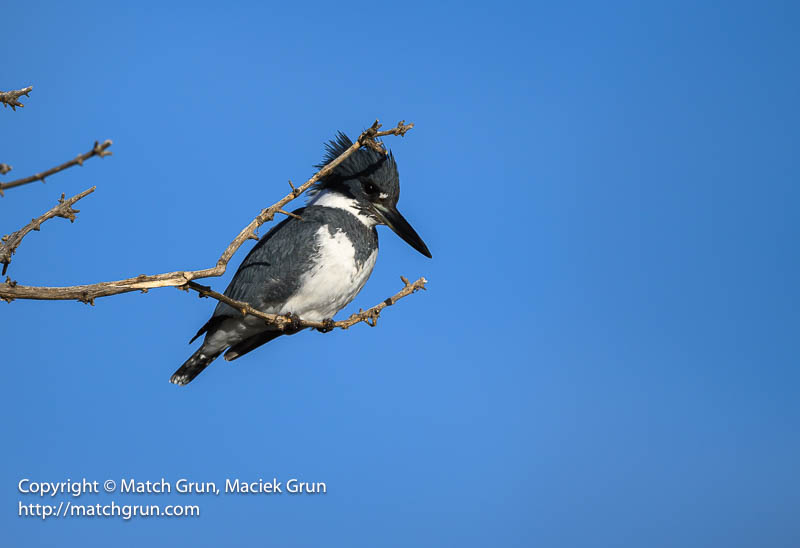
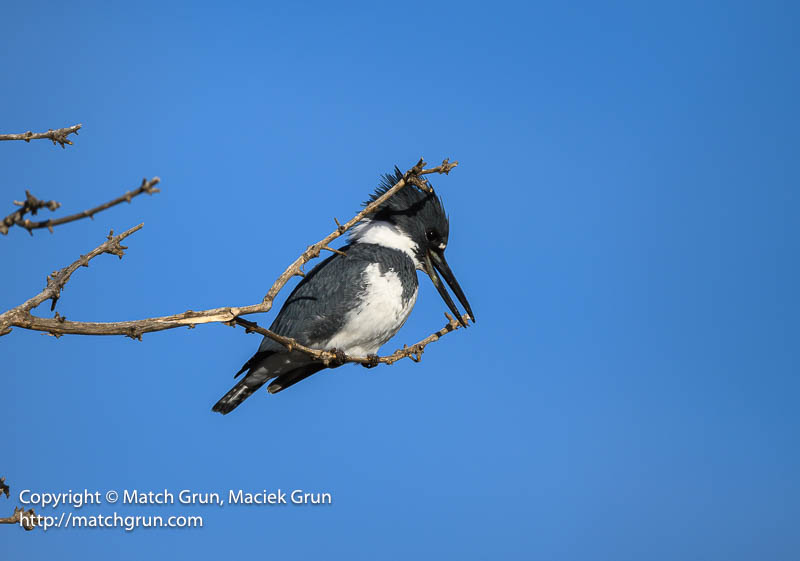
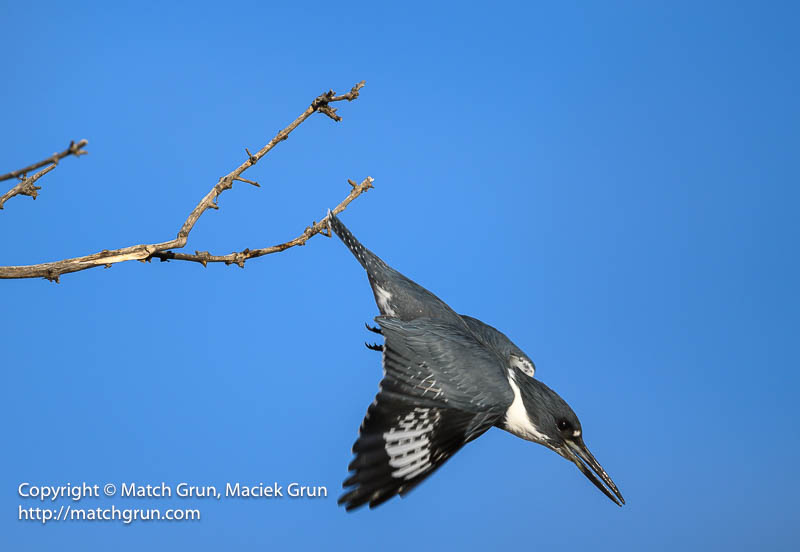
Ten days ago we headed out to Reynold’s Landing, along the South Platte River. Soon after passing the pond, I heard a Belted Kingfisher calling. It turned out that this Kingfisher was fishing at the pond. Here is a sequence of three images as this Kingfisher was hunting for food.

2943-0024-Kingfisher-Hunitng-South-Platte-No-1
Kingfisher Hunting, South Platte, No 1.

Saw something…

2943-0025-Kingfisher-Hunting-South-Platte-No-2
Kingfisher Hunting, South Platte, No 2.

And diving.

2943-0026-Kingfisher-Hunting-South-Platte-Dive
Kingfisher Hunting, South Platte, Dive.

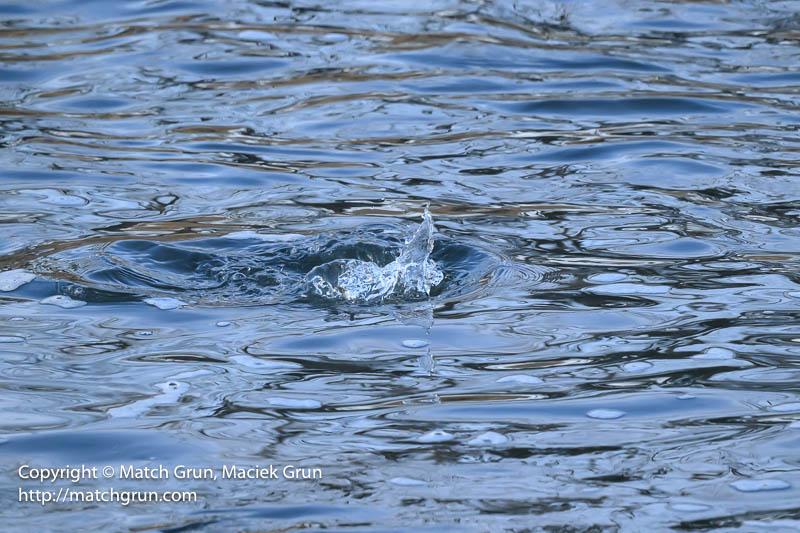
Whilst watching this Kingfisher, he caught four critters from the pond. Probably crawdads.

{ 0 comments }

Some Birds From November

During November, I made several trips to the South Platte River and to Chatfield State Park, so that I can improve some bird photography. Here is a collection of some of the more interesting birds that I re-discovered.

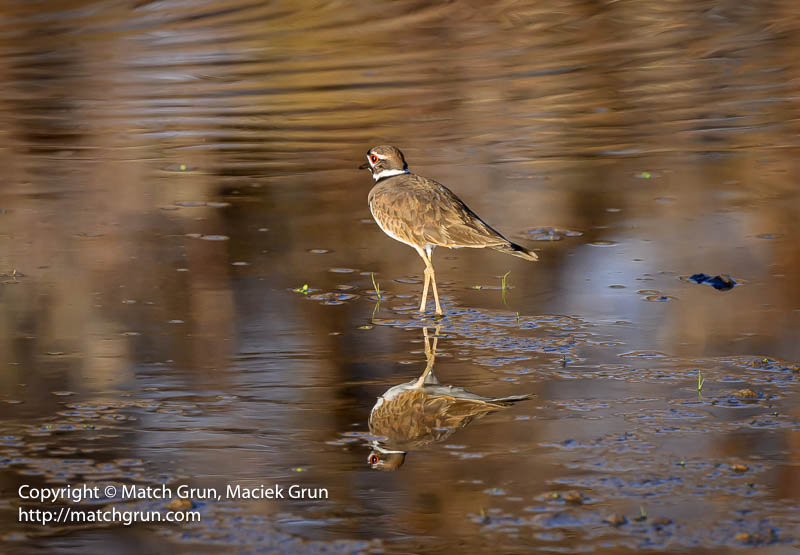
2915-0001-Kildeer-South-Platte-River
Kildeer, South Platte River.

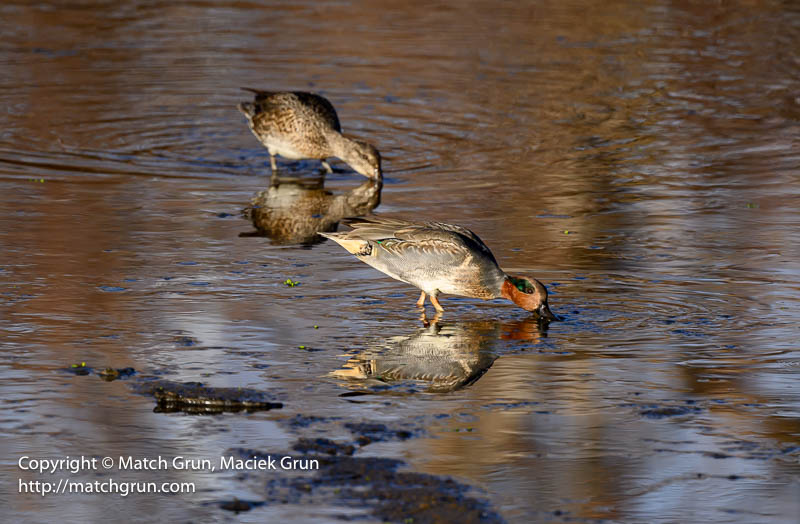
2915-0024-Green-Winged-Teal-South-Platte
Green-Winged Teal, South Platte.

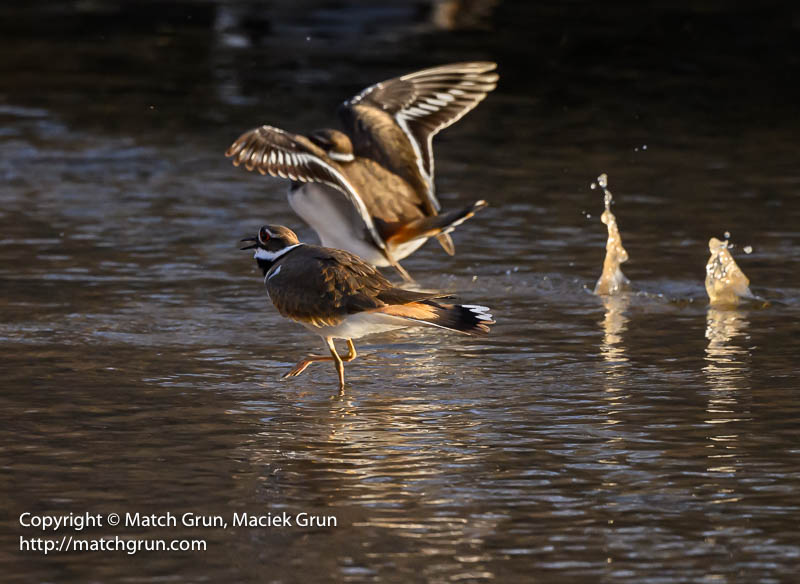
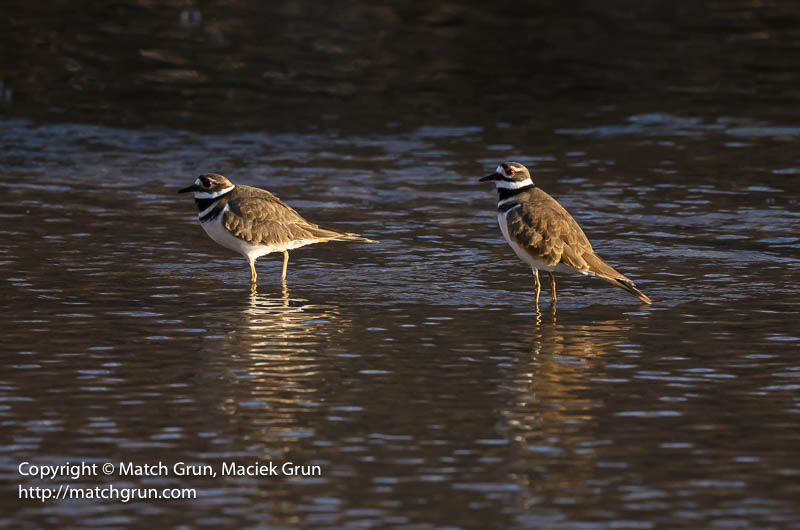
These two Kildeer were chasing each other along the river. I was fortunate to capture the far one as it came to land.

2915-0030-Kildeer-Pair-With-Landing-South-Platte
Kildeer Pair, With Landing, South Platte.

2915-0032-Kildeer-Pair-South-Platte
Kildeer Pair, South Platte.

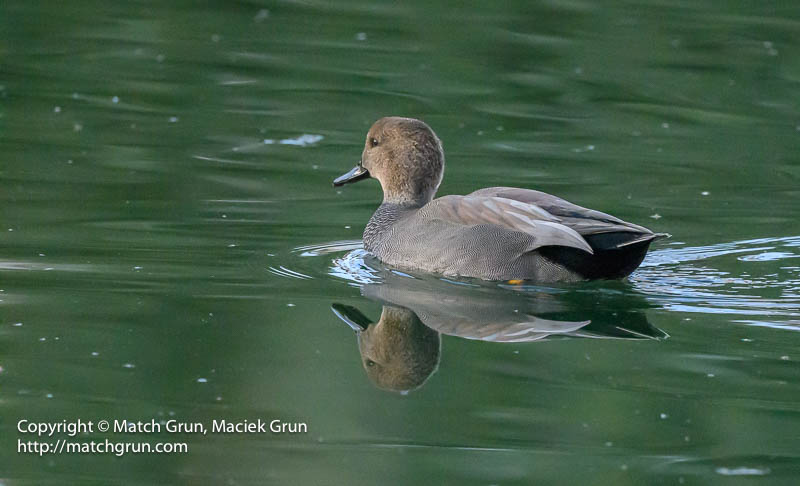
2915-0057-Gadwall-South-Platte-River
Gadwall, South Platte River.

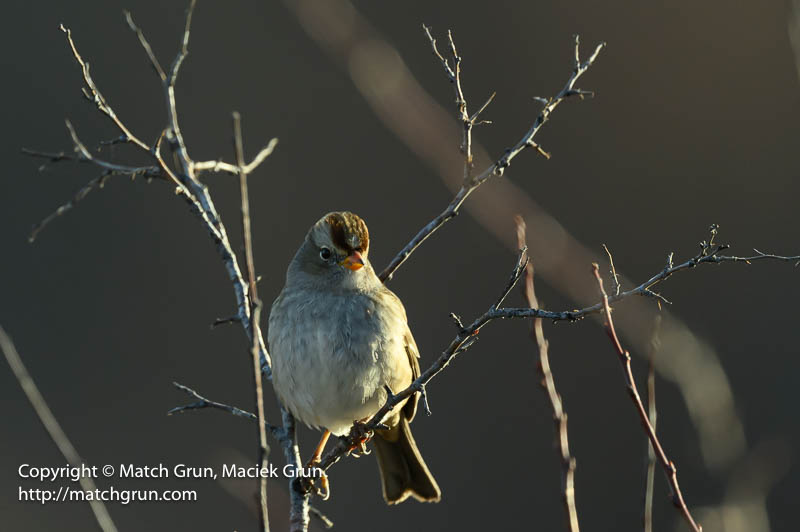
On one day, I spent a couple of hours at Chatfield State Park. This White-Crowned Sparrow spent some 5-10 minutes in one bush, allowing me to capture lots of images. This one bird was the highlight of that visit to the park!

2916-0010-White-Crowned-Sparrow-Chatfield
White-Crowned Sparrow, Chatfield.

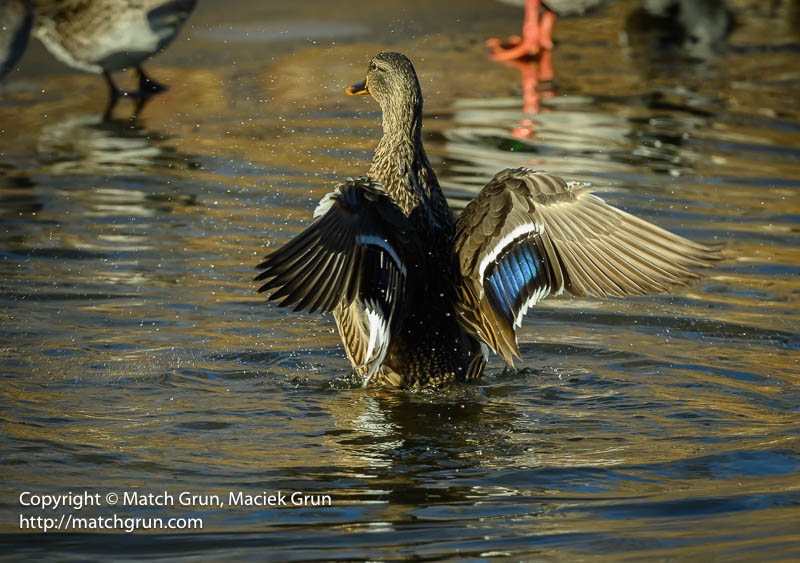
Back to the South Platte on another occasion. There are many Mallards in the South Platte River, year round, so I done often attempt to photograph them. However, sometimes I manage to capture an unusual display.

2919-0008-Female-Mallard-Flapping-Wings-South-Platte
Female Mallard, Flapping Wings, South Platte.

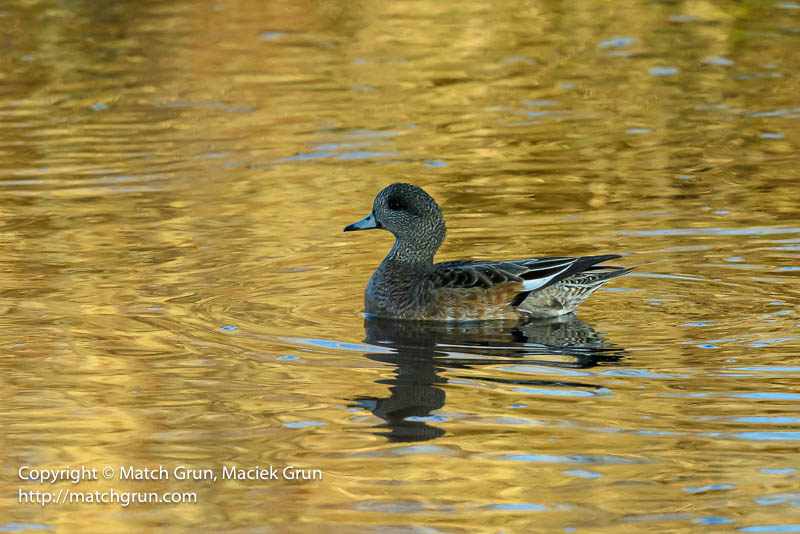
2919-0029-American-Wigeon-South-Platte-River
American Wigeon, South Platte River.

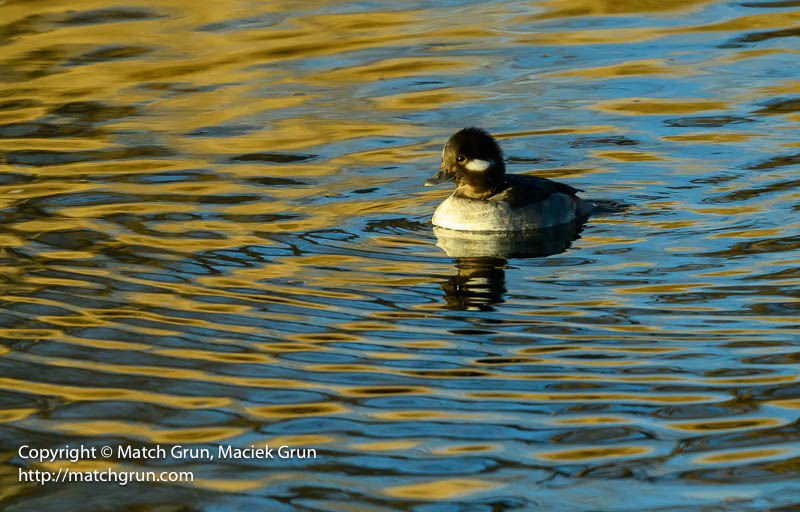
On that day, I also found a female and male Buffelhead duck.

2919-0035-Female-Buffelhead-South-Platte-River
Female Buffelhead, South Platte River.

2919-0044-Male-Buffelhead-South-Platte-River
Male Buffelhead, South Platte River.

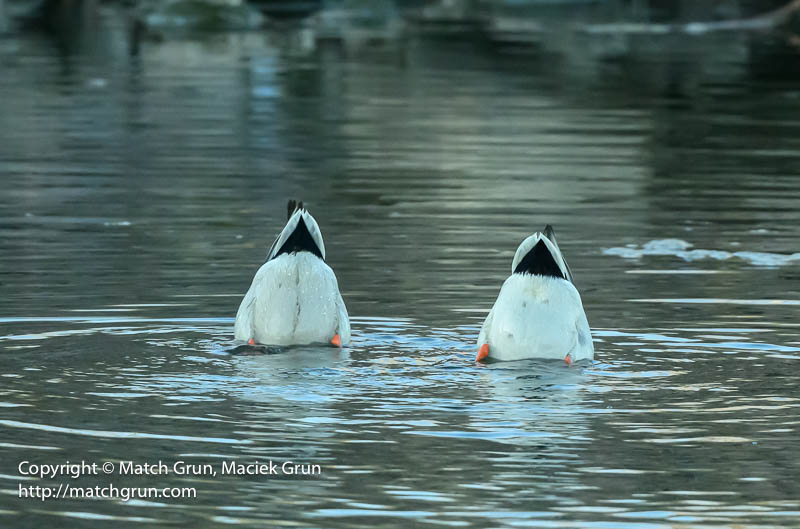
I found a pair of Mallards feeding. This is the usual position as they dip down to bottom feed in the river. Well timed!
2919-0048-Mallards-Feeding-South-Platte-River
Mallards Feeding, South Platte River.

{ 0 comments }