
During our recent visit to England, I took a day trip into London to visit the Ramses II exhibit and the Tate Modern gallery. The first port of call was Battersea. This is the location where the Battersea Power Station was once located. When operational, the power station provided a huge proportion of electric power to the city of London.
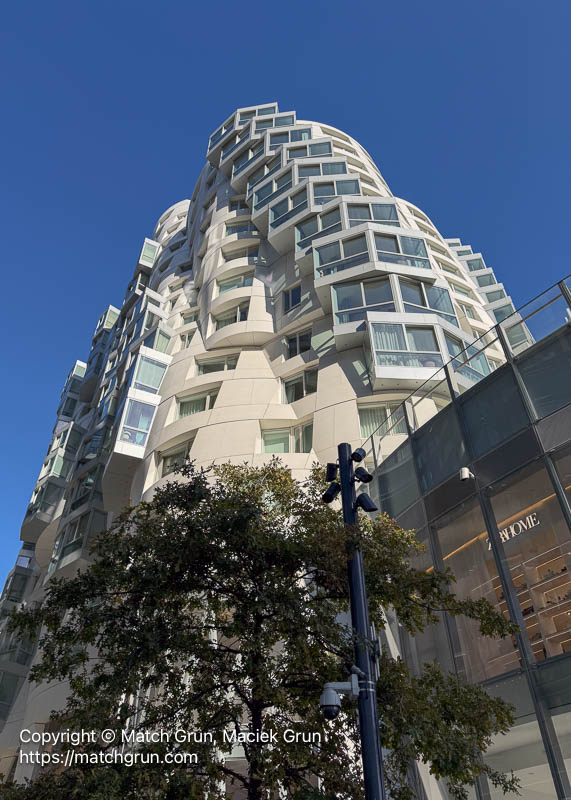
I made the following image capturing some of the apartment buildings, including the iconic chimney towers of the power station.
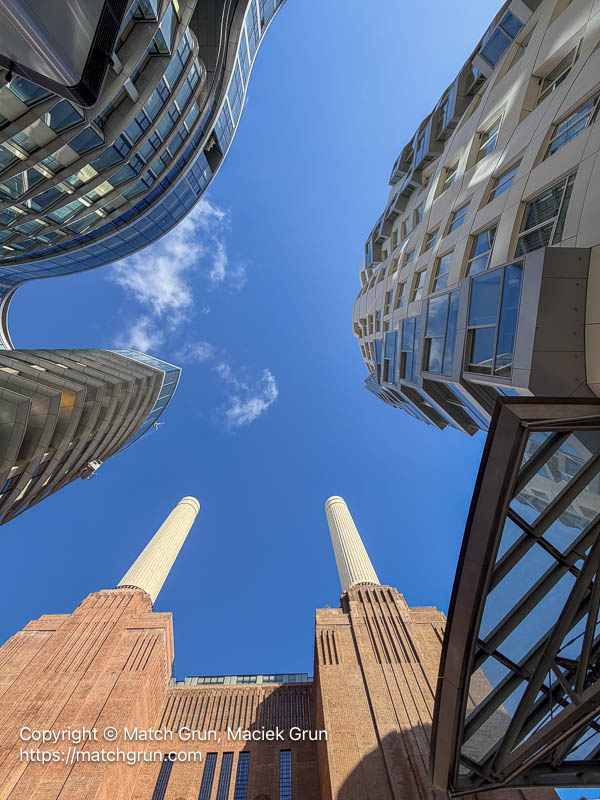
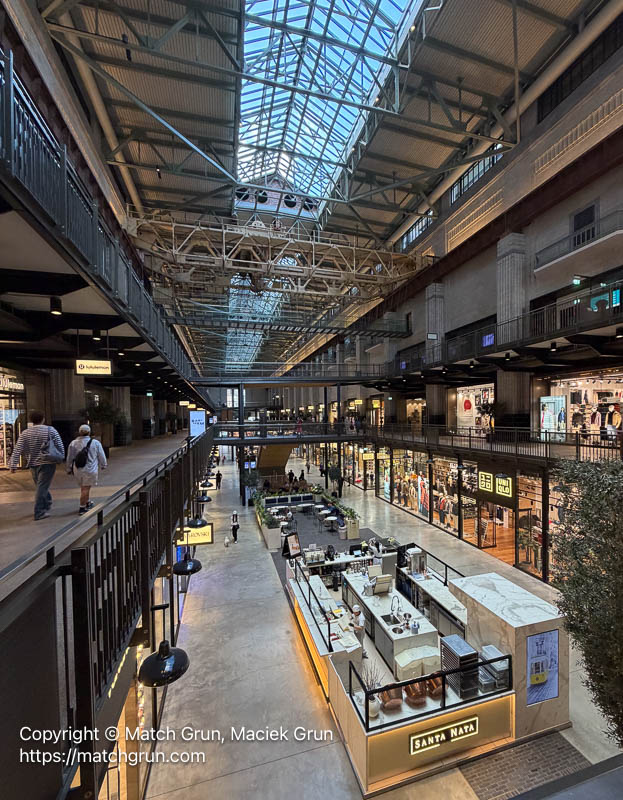
The power station has been renovated and is now the site of many stores and restaurants. The surrounding area now has several apartment buildings. In the image below, I have attempted to capture one of the turbine halls with some of the stores.
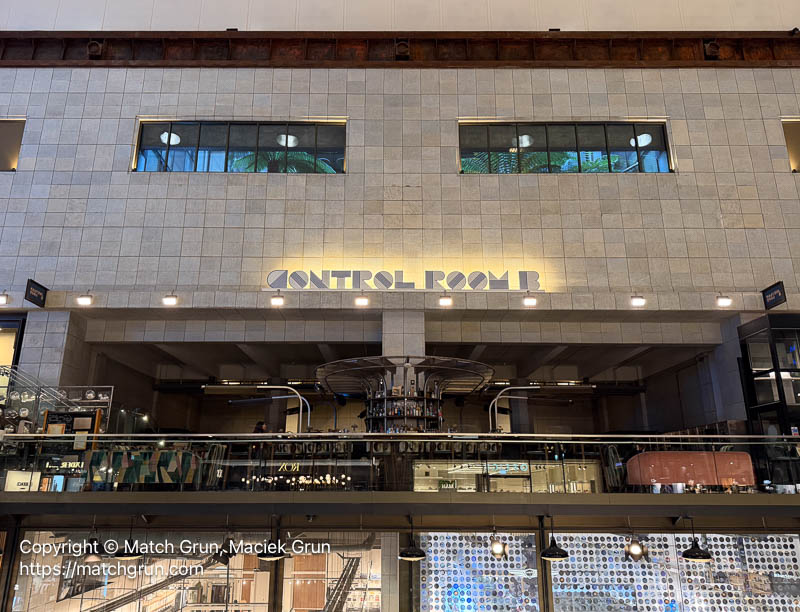
This is the location where one of the control rooms was located.
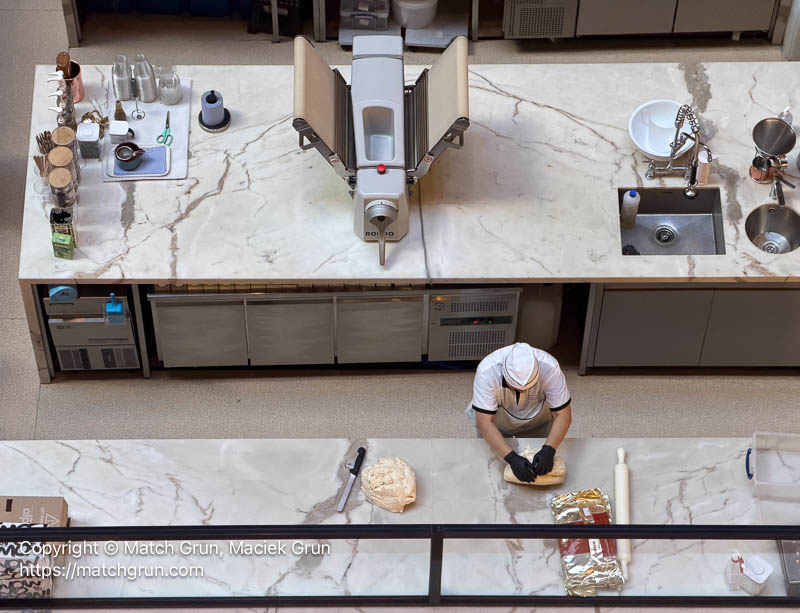
On the first floor (ground floor), a baker was busy preparing pastry at one of the cafes.
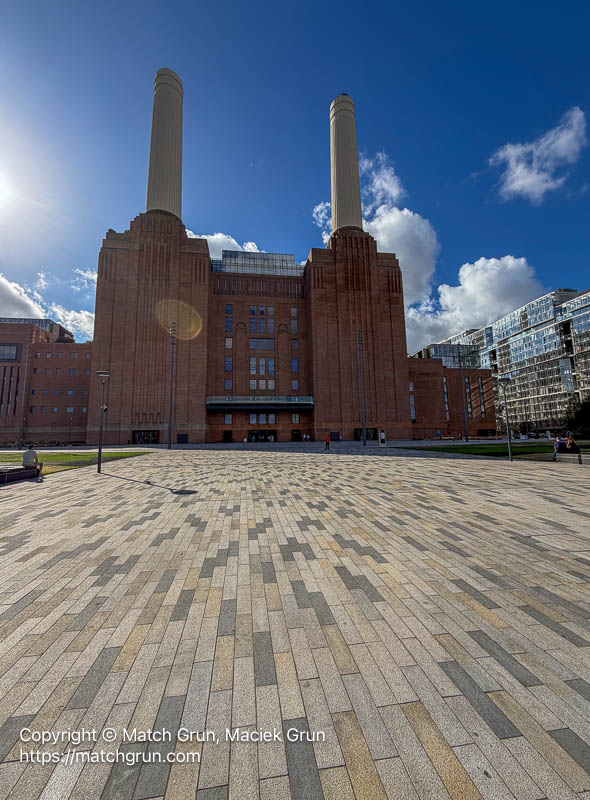
After finding the location of the Ramses II exhibition, I made my way to the front of the power station located by the River Thames. Here I captured the following image of the power station with the iconic chimney towers. The forecourt was the site where coal was delivered and stockpiled. This area also handled the coal before being supplied to the power station furnaces.
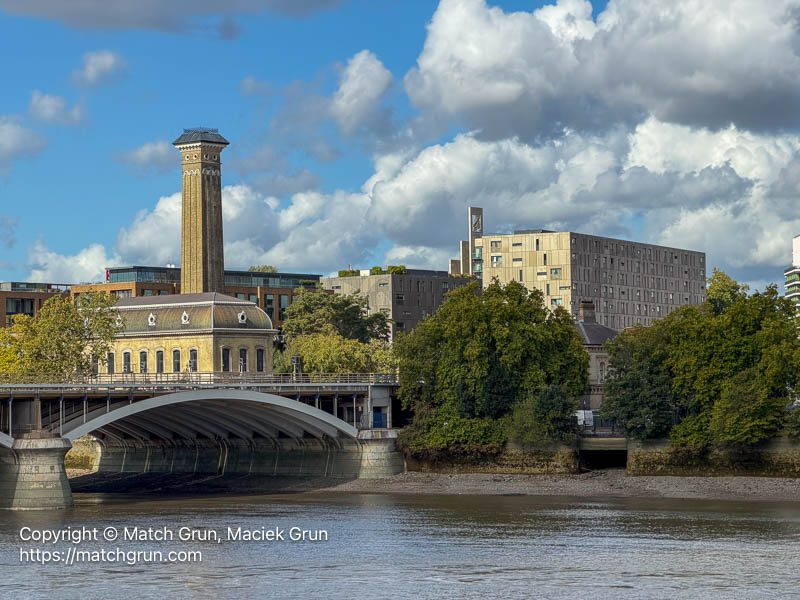
Behind me was the River Thames. In the image below, I captured the river with one of the railway bridges. The tower was part of the Chelsea Waterworks.
The Ramses II exhibition was located next to Pickle Ball courts outside the power station building. Ramses II was one of the most well known and powerful pharaohs in the 19th dynasty of ancient Egypt. Here is the head of a colossal statue of Ramses.
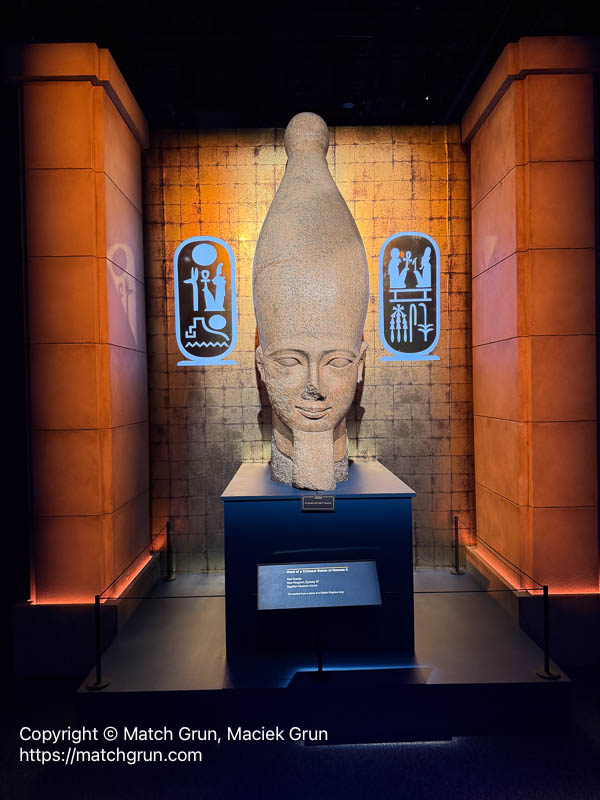
This exhibition detailed the rise to power of Ramses II and how he united ancient Egypt at that time. This included battles and conquests against enemy states. One of the stele depicts the cartouche that identifies Ramses II.
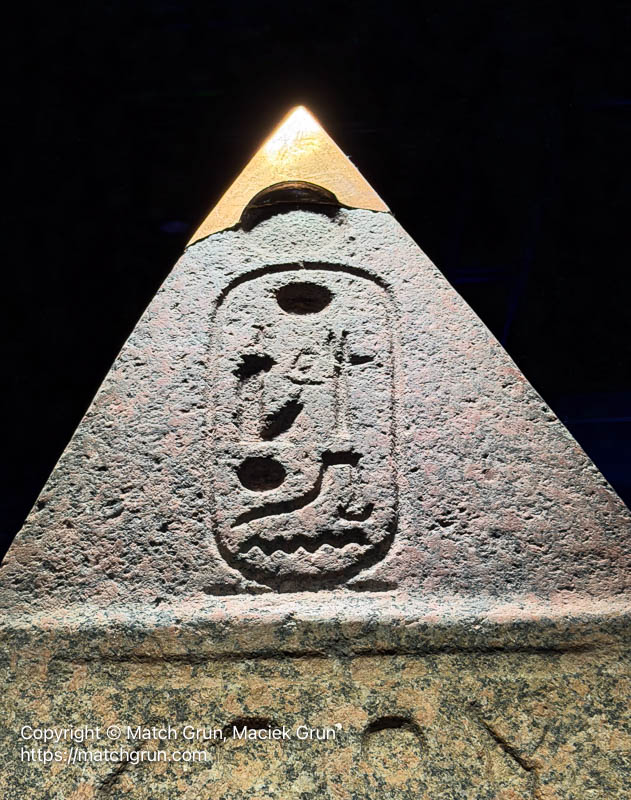
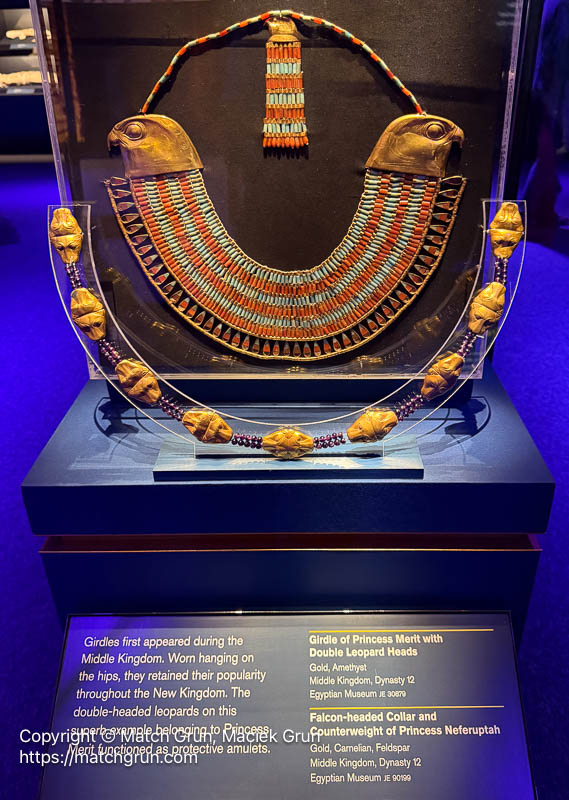
Also included in the exhibition is a collection of some ancient Egyptian jewelry. The following pieces are from a 12th dynasty princess.
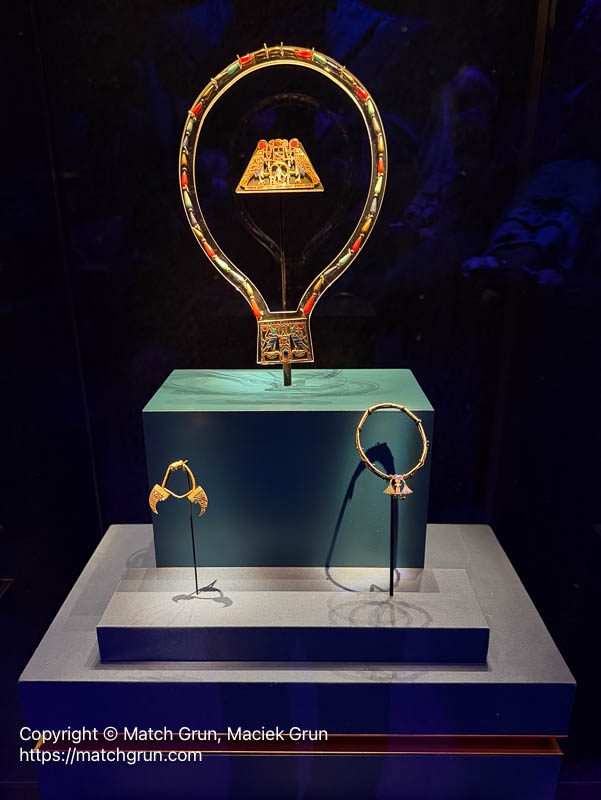
Here are some other pieces that were displayed.
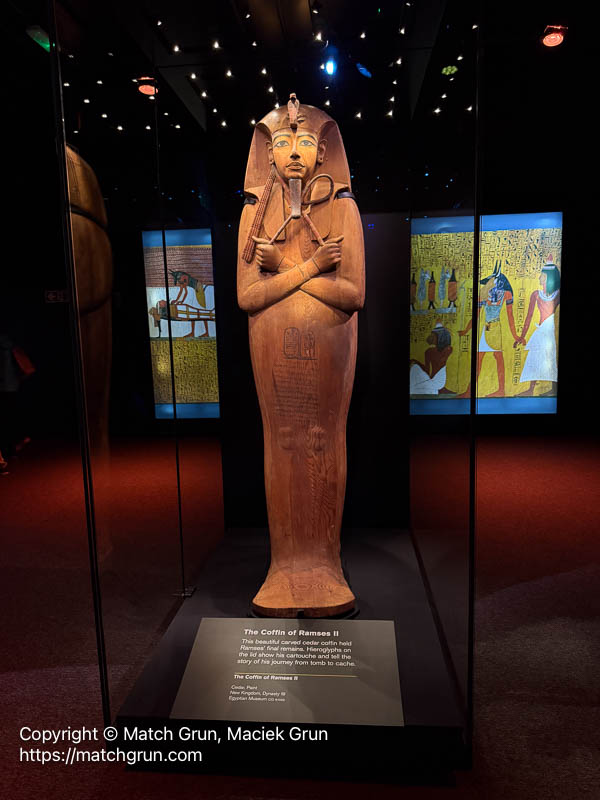
After Ramses II passed away, his remains were stored in tombs. Many tombs were eventually targets for tomb and grave robbers. His remains were saved by tomb guardians after burial and placed in a coffin that was stored in a cache.
After leaving the exhibition, I headed for some lunch in the power station and moved to the next destination.