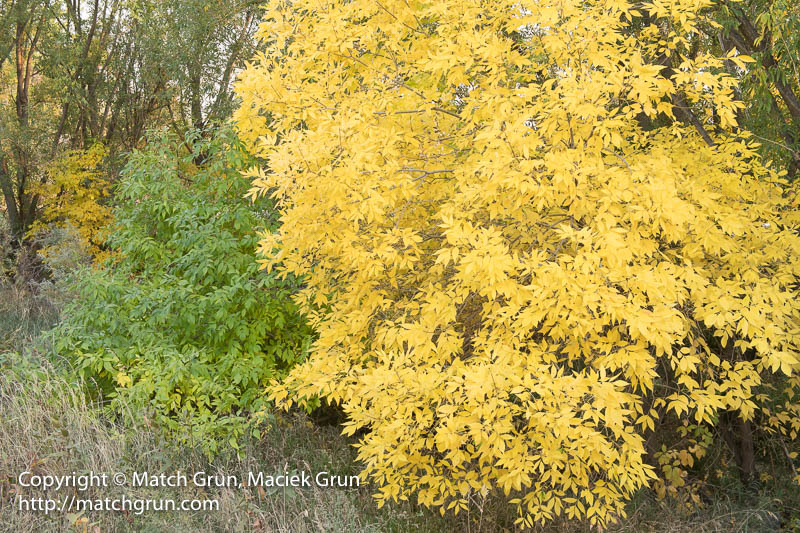
Most days, after work, I take a bike ride along the South Platte River. On a couple of occasions, I noticed some spectacular fall colors. So for the next day, I decided to make some images of the fall colors along the riverside. This is one bush that inspired me to photograph instead of ride past.
Green And Yellow Fall Colors, South Platte.
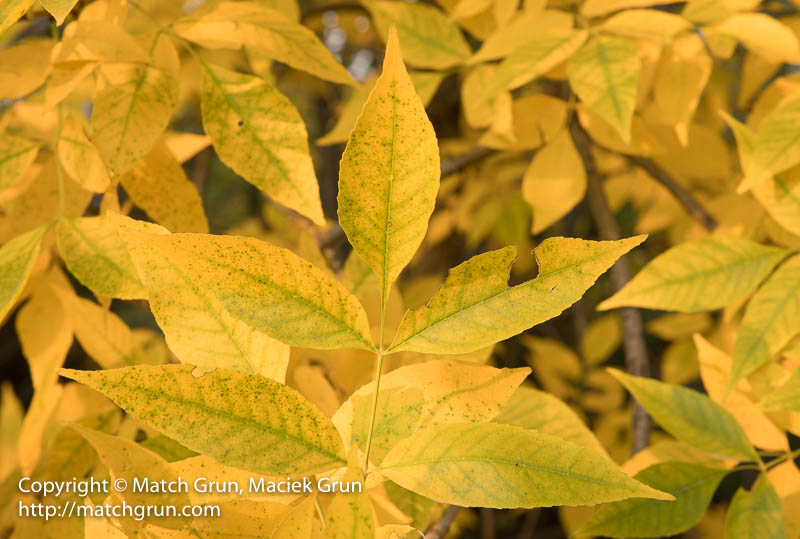
Exploring some other trees close by, I found this clump of leaves with a bite taken from the leaf.
Bite Out Of Yellow Fall Leaves.
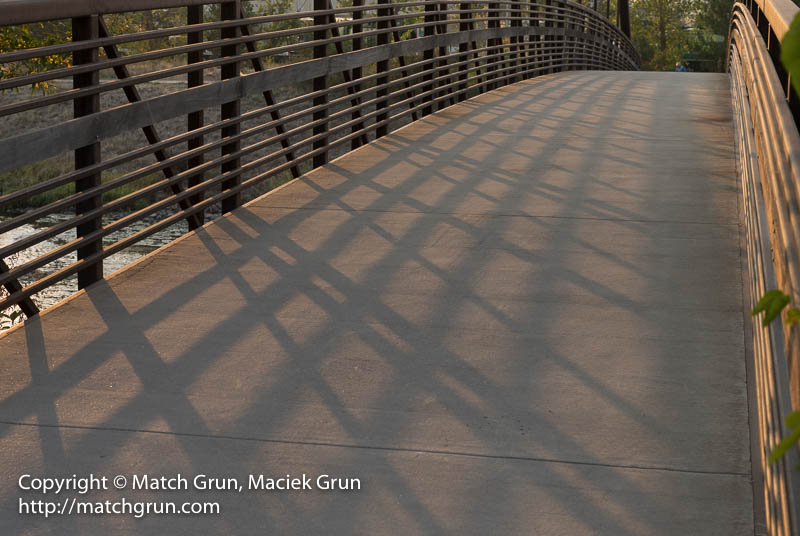
Nearby is s bridge that crosses the river. There is a fair amount of bicycle traffic and foot traffic across this bridge. I missed the bike rider by a could of minutes when I made this image. At this time of year, the low sun at sunset cast long shadows that create a grid of patterns on the bridge.
Bike And Foot Bridge Over Platte River.
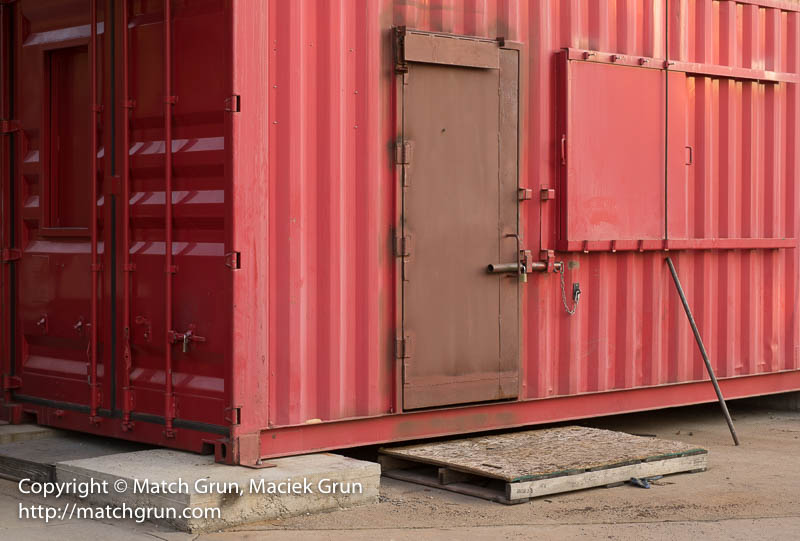
Nearby, I found a location where there was a red container that was just reflecting the last rays of sunlight as the sunset approached the horizon.
Red Container.
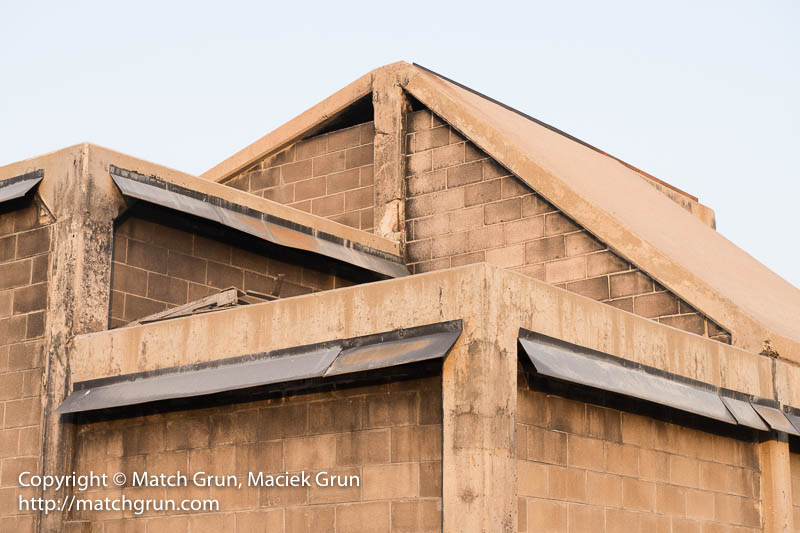
Close by, I found an abandoned building that had some interesting brickwork. There was plenty of contrast in the brickwork that brought out the texture of the walls of the building.
Brickwork On Abandoned Building.
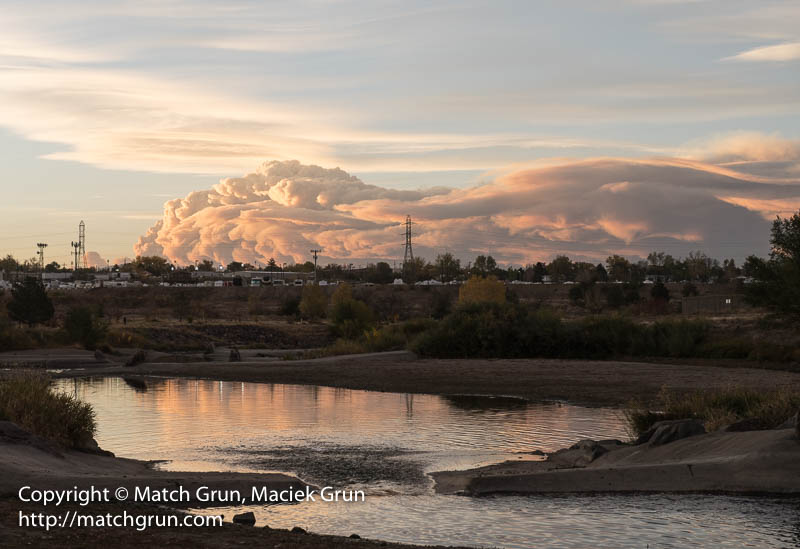
On a second trip a week or so later, I had noticed a maple tree that striking red leaves. I could not find a decent angle that would show off the red fall colors! This year has been really bad for wildfires in Colorado. That day the Troublesome fire had erupted to cover several ten of thousands of acres. While photographing along the riverside, I made this image to show the smoke clouds from the fire.
Smoke Clouds From Troublesome Wild Fire And Platte River.
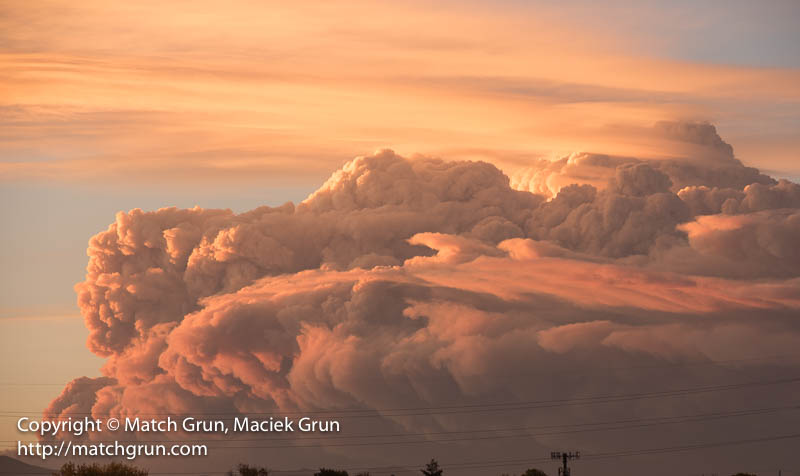
As the sun started setting, I switched to a longer lens to capture more detail of the smoke clouds before the sun set.
Smoke Clouds At Sunset.
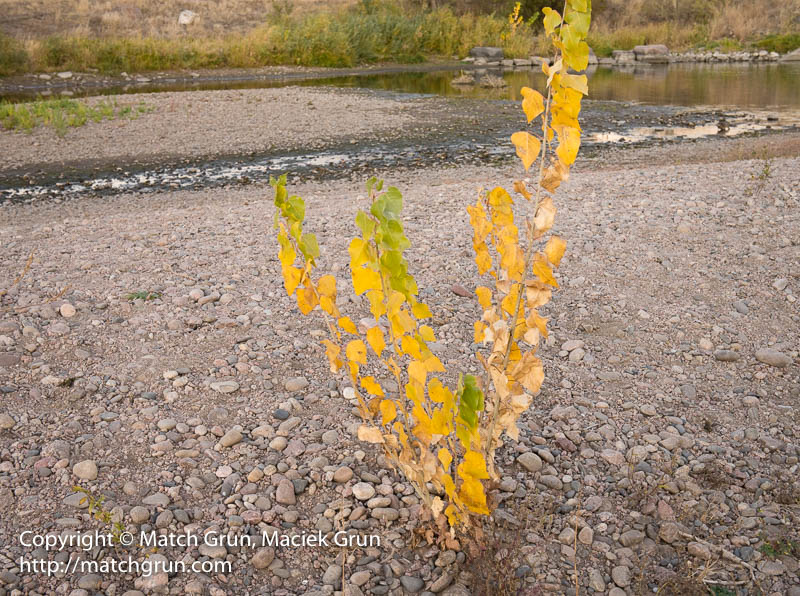
These clouds were spectacular. But it was sad to hear that people had to be evacuated as their homes burnt. Several hundred houses were consumed by these wild fires this year. On a happier note, I found this cottonwood sapling as I made my way back to the truck.
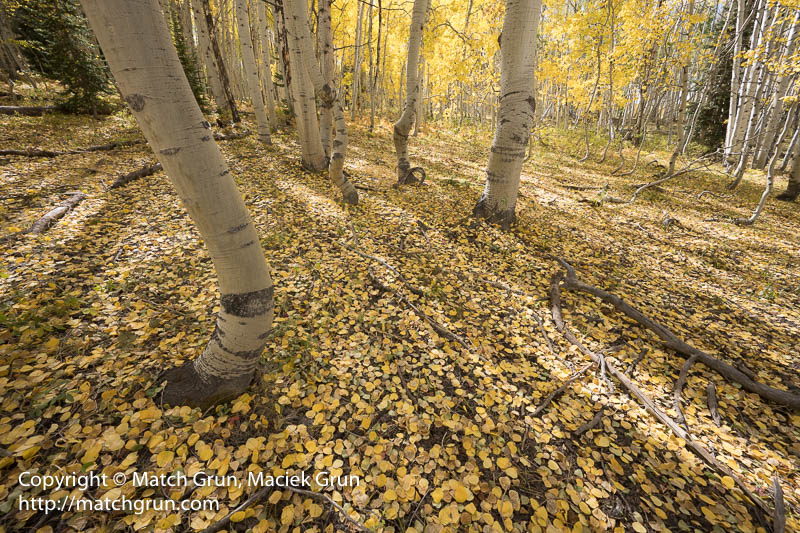
This last month, I made three trips into the mountains to view the fall colors. One of my favorite locations are the aspen forests at Kebler Pass. I made this image in the forest during the late afternoon.
In The Aspen Forest, Kebler Pass.
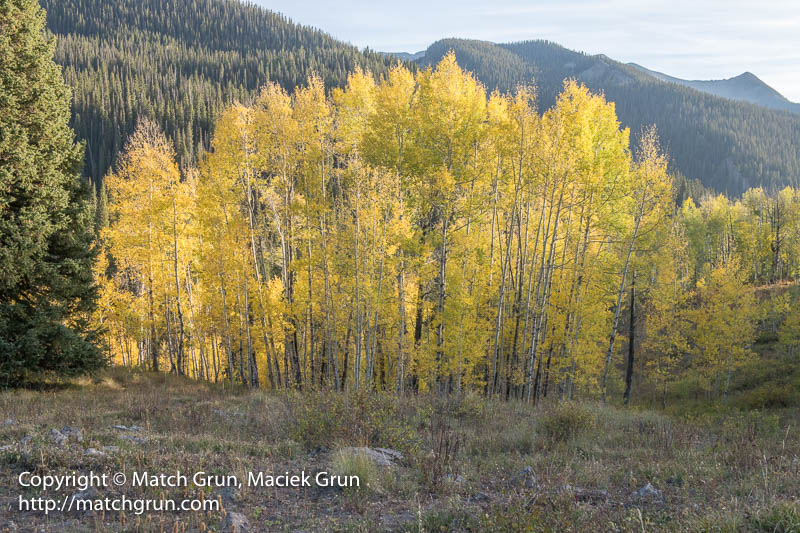
Leaving the pass, I stopped at an overlook where I could capture this small grove of aspen trees just before the sun disappeared below a nearby mountain ridge.
Aspen Trees, Kebler Pass.
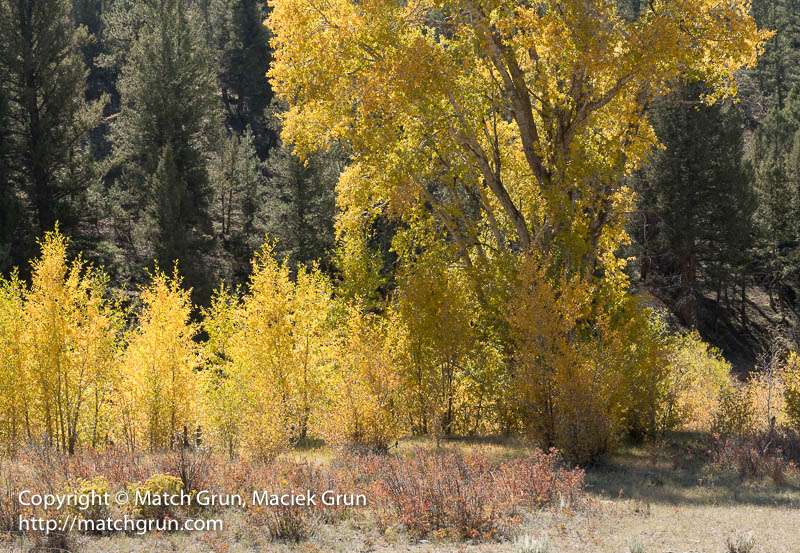
A few days later, I headed off to Buena Vista. Driving down the final valley, I pulled off onto a side road where a variety of trees were growing along the creek.
Fall Colors Near Buena Vista.
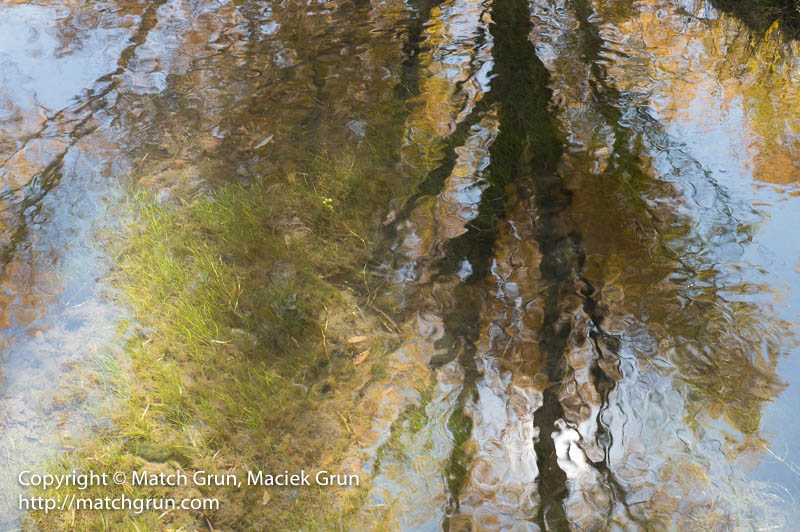
Close by, I meandered down to the creek. Here I found reflections of the nearby trees reflected in the flowing water.
Creek Reflections Near Buena Vista.
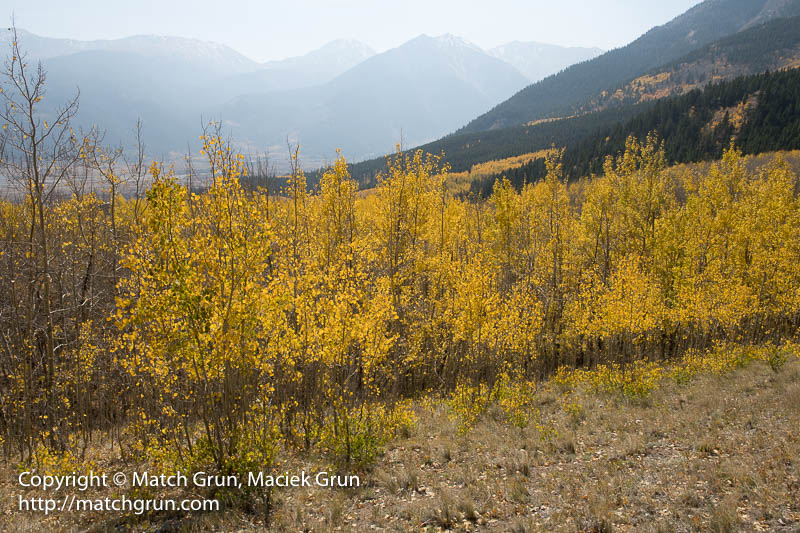
After picking up a coffee in Buena Vista, I headed north to Twin Lakes and Mount Elbert. This year has been really bad for wildfires in Colorado. On the east side of Independence Pass, the sky was filled with a smoky haze that was carried south by the wind. In this image, the mountain valley and distant mountains are obscured by the smoky haze.
Fall Colors And Smoky Skies, Mount Elbert.
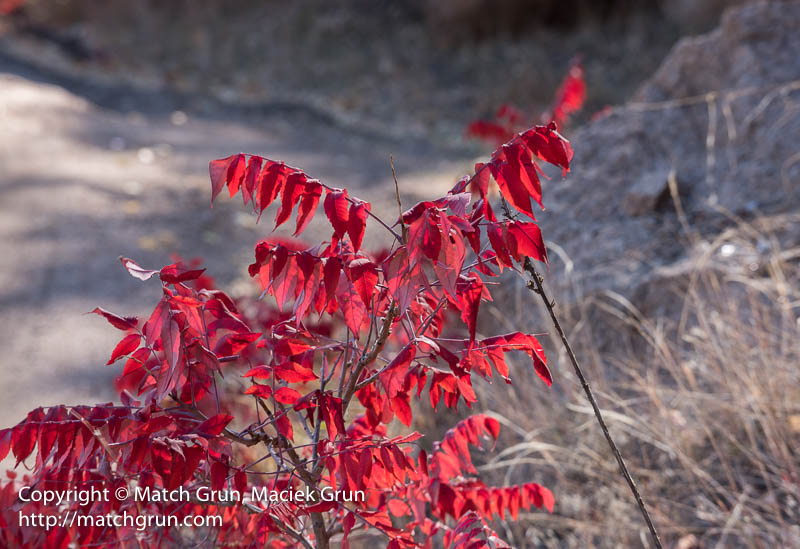
On the third trip, many of the aspen trees had shed their leaves, so I only headed as far as Foxton. Along the South Platte River, the river banks hosted willows and sumac bushes. When the sun shines through the sumac bushes, the leaves light up with a vibrant red color.
2504-0078-Sumac-Colors-South-Platte-River-Foxton
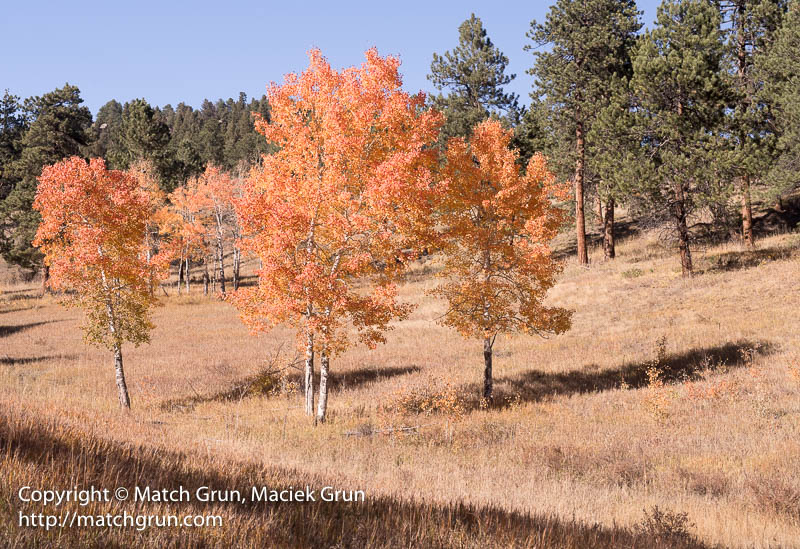
Heading back towards Conifer, I stopped at James Newton Park, where I had seen a clump of aspen trees; Leaves on these trees had turned orange rather than yellow.
Aspen Trees In Orange, James Newton Park.
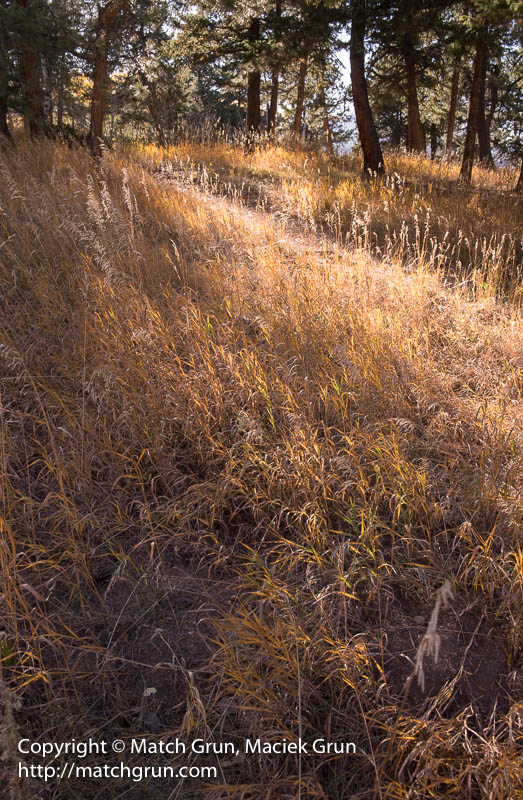
Finally, I turned off at Meyer Ranch Park, where there is a trail that leaves the parking lot and heads up towards the nearby pine forest. There are a few aspen trees spread out in various locations in the forest. However, the grasses also turn into their fall colors. As the sun dropped lower in the sky, the grasses light up with a mixture of green, yellow and orange. Also the long stalks of the grasses glow white when backlit.
Fall Grass Colors, Meyer Ranch Park.
I noticed that there were many visitors to the park with their families. It was only later that evening that I remembered that it was a public holiday “Columbus Day”. I had taken the day off work, but it is not one of the days that my employer recognizes as a public holiday! That explained the reason for the number of visitors.
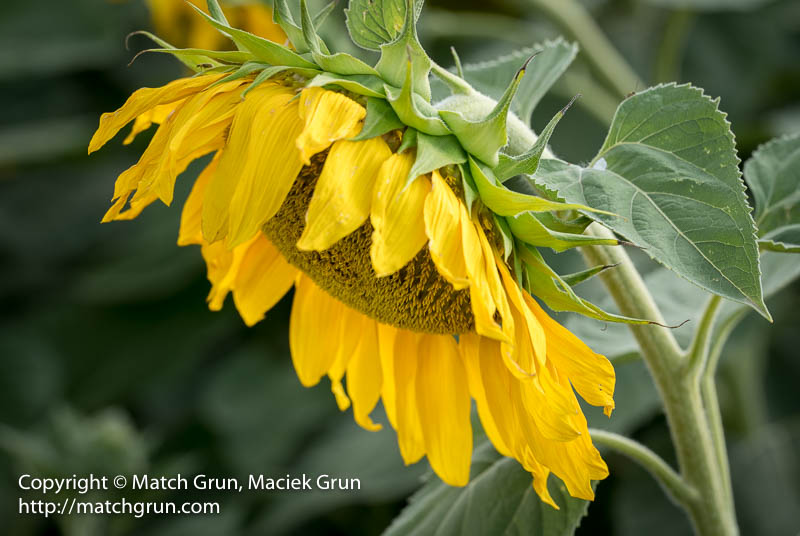
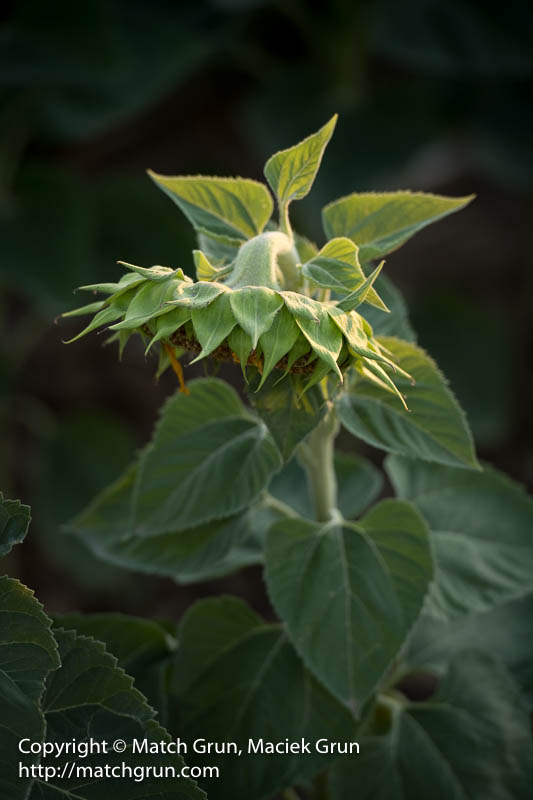
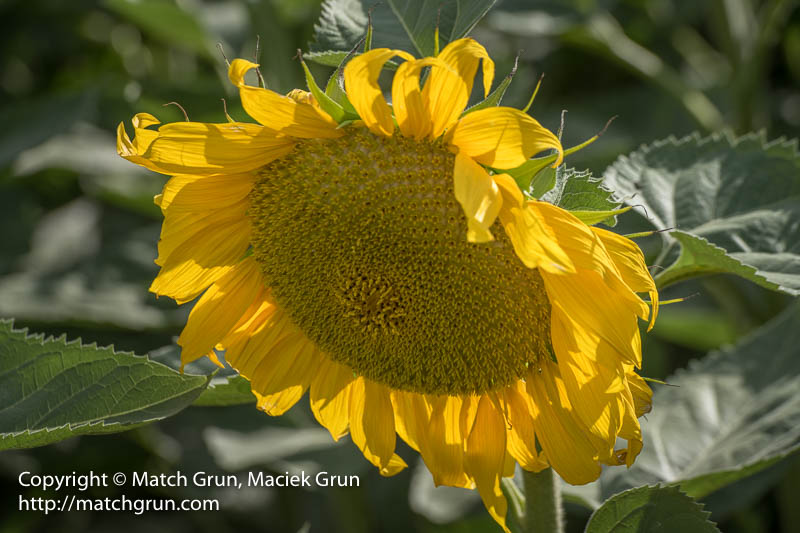
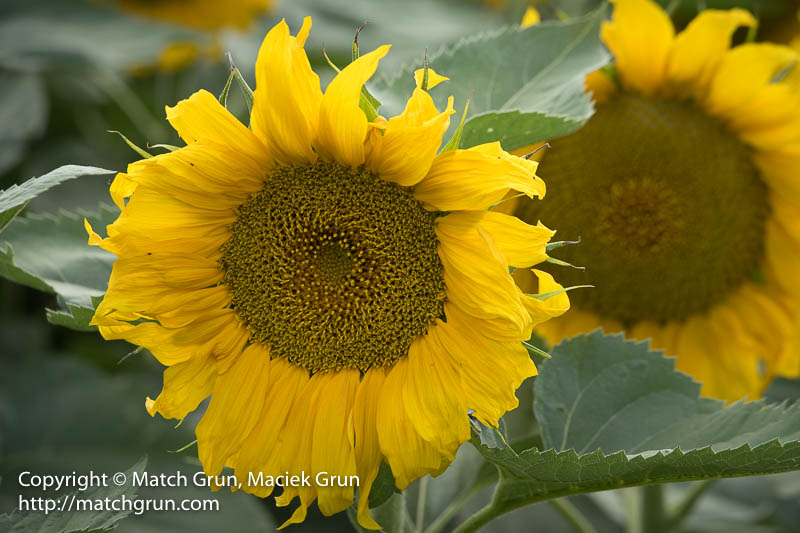
The weekend after making the last images of sunflowers, I headed back to the eastern plains to make more images of sunflowers. Once sunflowers open and reach full size, their flowers become heavy and begin to droop. Also, the yellow petals often wither and fall off.
Single Sunflower, Day 2.
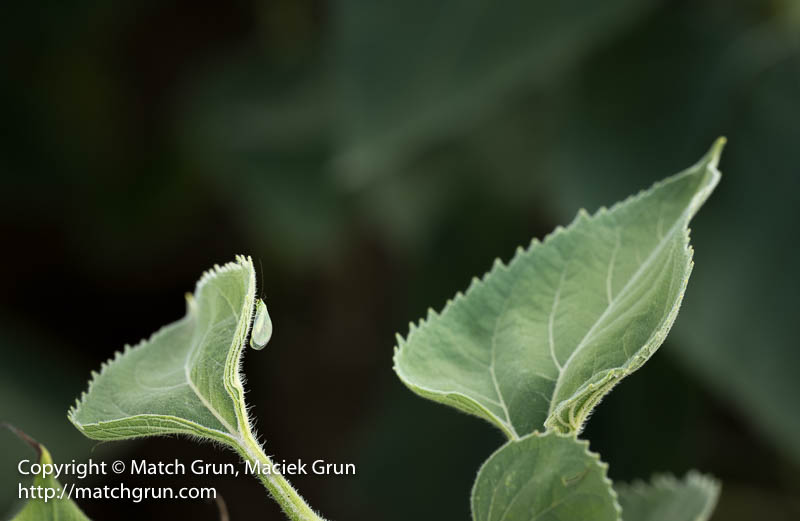
Sunflower plants have really interesting textures and serrated edges. In this image, I was lucky to also capture a bug that had landed on the hairy back side of the leaf.
Sunflower Leaves And Bug.
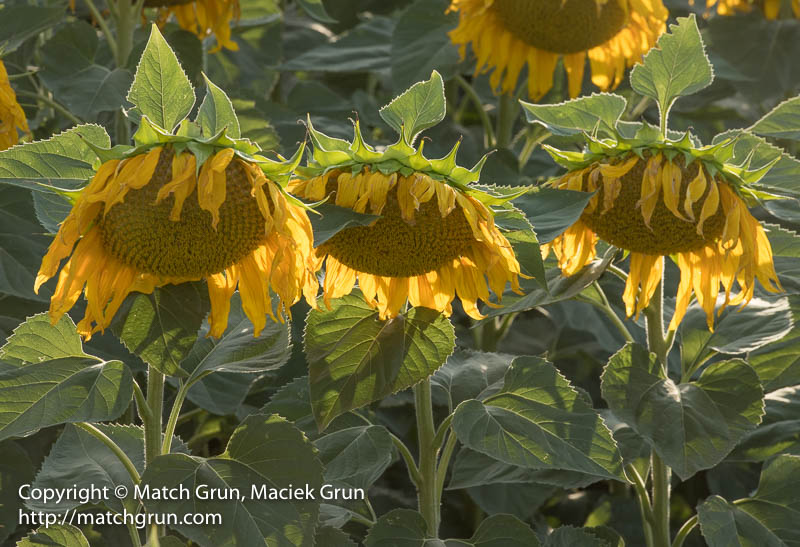
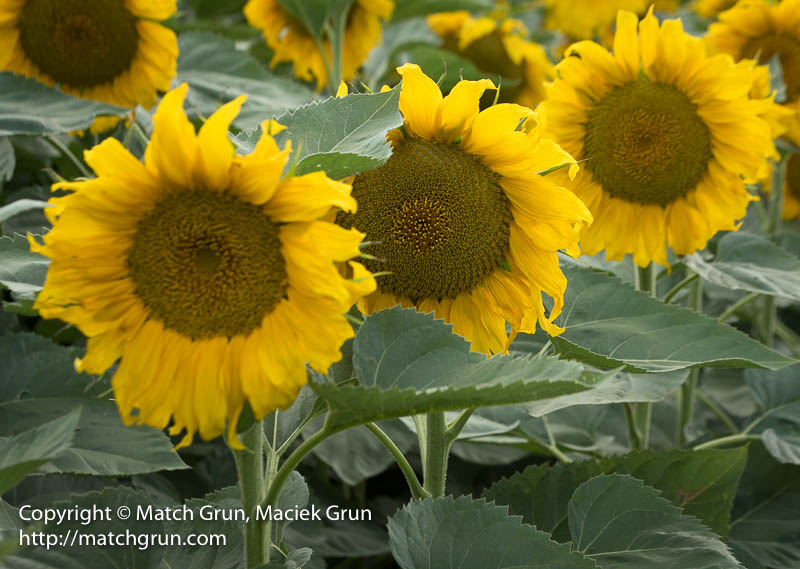
In this image, one can see the three sunflowers drooping under the weight of the seeds.
Triple Drooping Sunflowers.
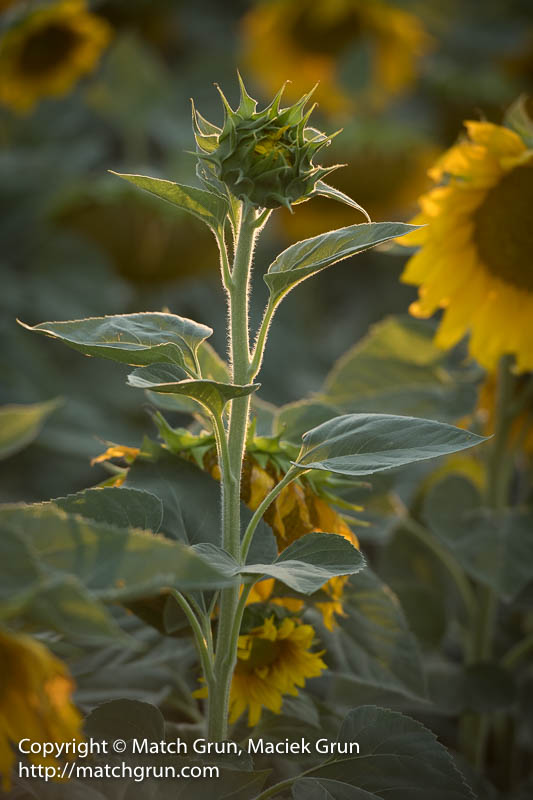
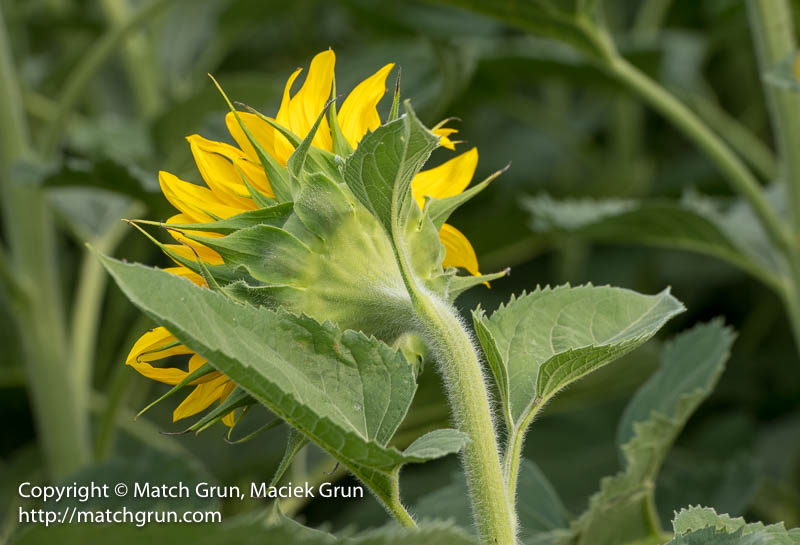
As the sun sank lower in the later afternoon, I walked around the edge of the sunflower field to find some interesting plants. This small sunflower was a late bloomer, with a small flower that had just started to bloom. I also liked the back lighting of the plant that lights up the hairy stem.
Hairy Sunflower, Backlit.
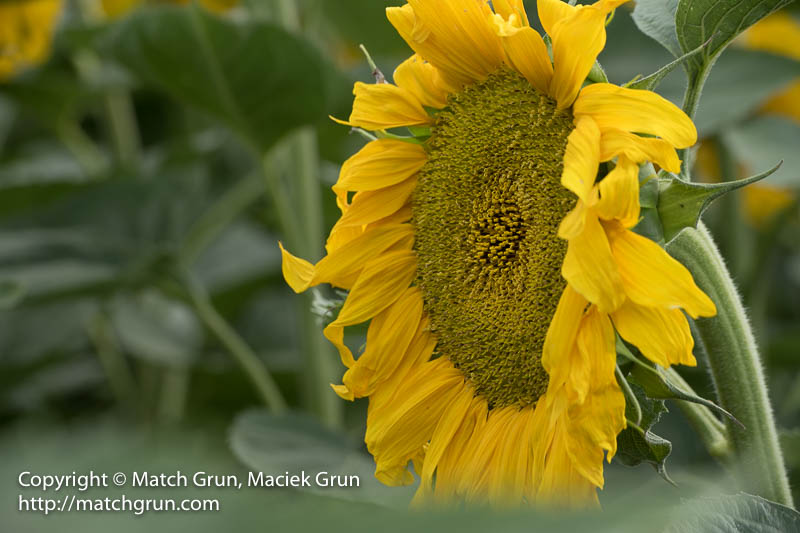
In this final image, I found a single plant that had drooped to allow a side view of the hairy back of the sunflower.
Single Drooping Sunflower.
That concludes my images of the sunflower fields for 2020.
Early, in August, I headed out to the eastern plains in search of fields of sunflowers. Near DIA, I passed one field where there were many cars parked along the roadside. So I just carried on looking. North of Bennett, I found several fields where there were no crowds. Fortunately, we did not get a lot of hail this year. As a result, the leaves of the plants were in really good condition without being punctured by hail.
Single Sunflower, Eastern Plains.
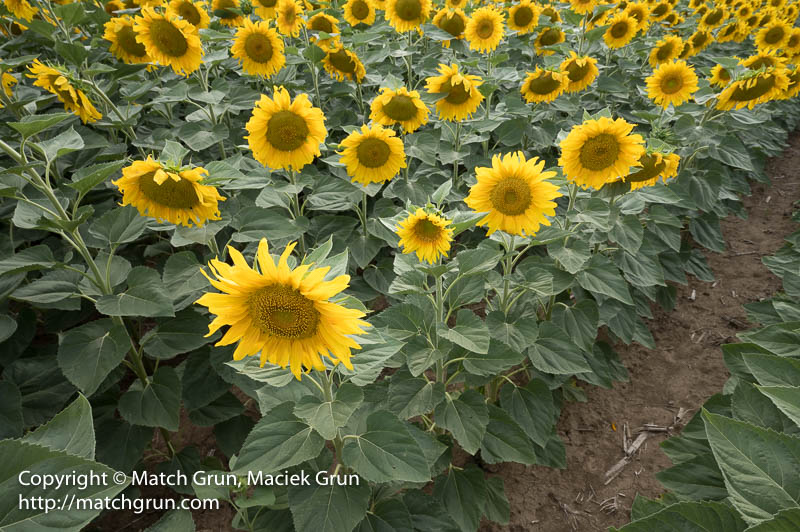
In this image, I used a really wide lens to create a different perspective of these flowers.
Sunflowers, Eastern Plains.
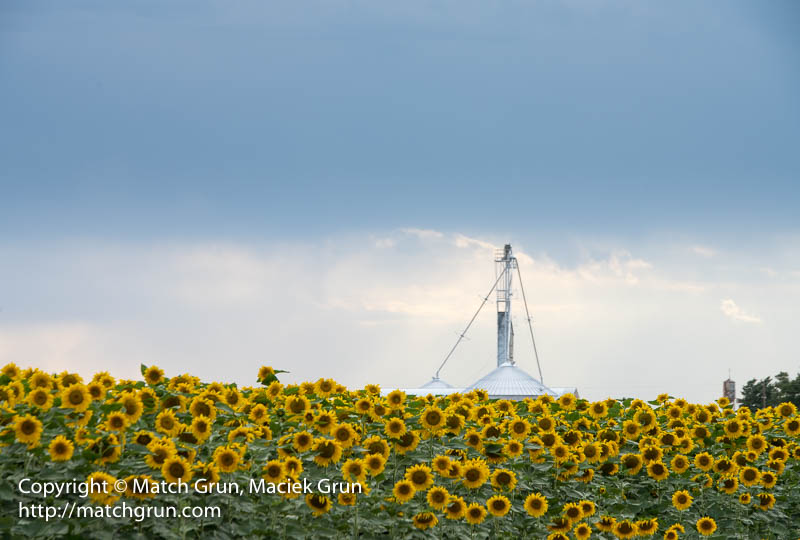
From a distance, the sunflowers created a skyline. I included a grain elevator (or similar structure) to provide a break to the horizontal skyline.
Sunflowers Along The Skyline.
The sunflower leaves can reflect a lot of sunlight; this would create a lot of contrast with deep shadows. So I waited patiently for the clouds to provide a softer lighting.
Sunflower Duo.
I looked for a composition that had a line of three prominent flowers.
Line Of Sunflowers.
I always like to capture images that include a side on view across the flower.
Another Single Sunflower.
The main stalk that supports the sunflower, typically has fine white hairs that run the entire length of the plant. In this image, I shot from behind, to include the hairy stalk as well as two serrated leaves on either side of the flower.
Behind The Sunflower.
I spent the rest of the late afternoon make more images until the sun finally set.
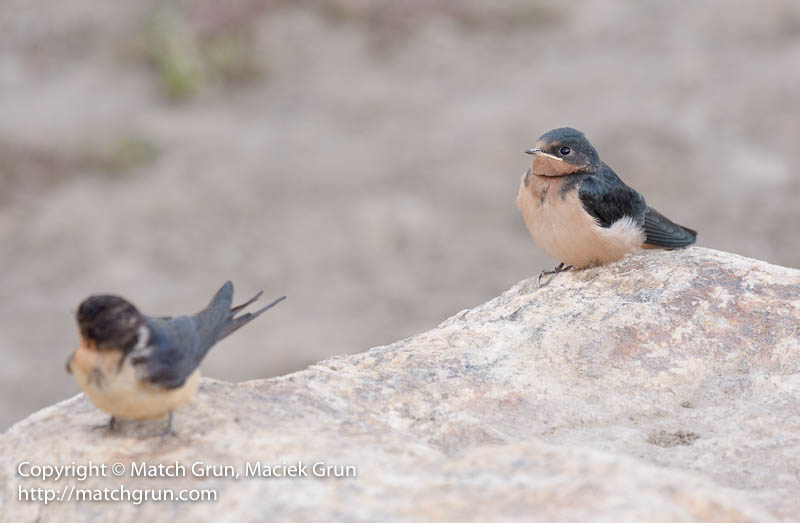
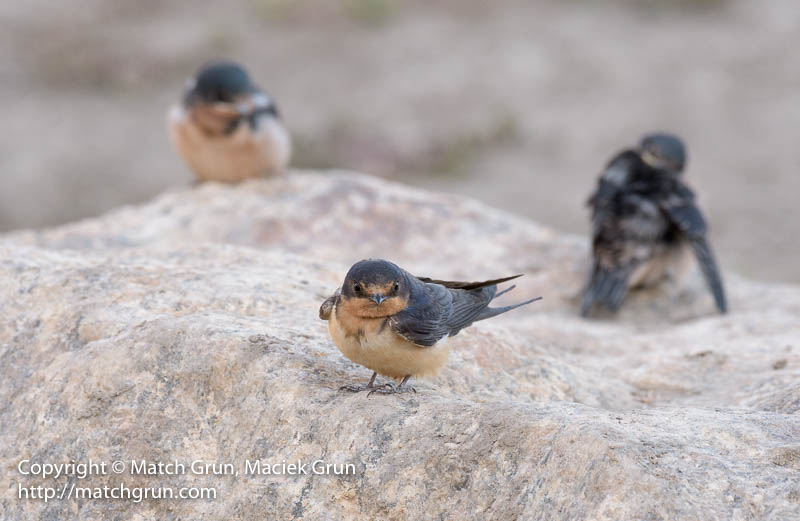
Last week, I took an break from work and headed down to the South Platte River. I heard that there were lots of egrets along the water’s edge after sunrise. I only got to see 2 or 3 egrets. After walking along the river, I sat down on some rocks on the river bank. Soon after, I noticed these two Barn-Swallows on a rock, some 15-feet away!
Juvenile Barn Swallow, With Parent.
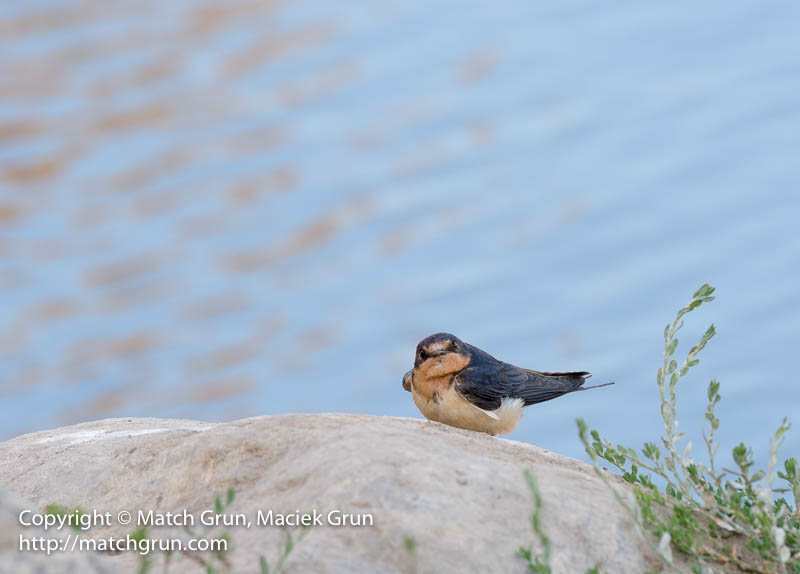
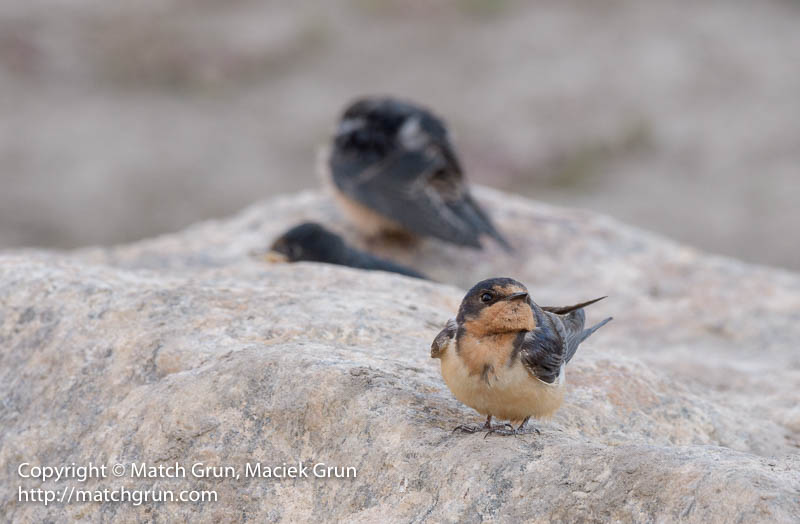
What good fortune! I sat and observed two Barn-Swallow parents and their juvenile offspring for a half-hour or so. I like the expression of this swallow sitting by the water’s edge as it looked at me.
Barn-Swallow By Water’s Edge, South Platte River.
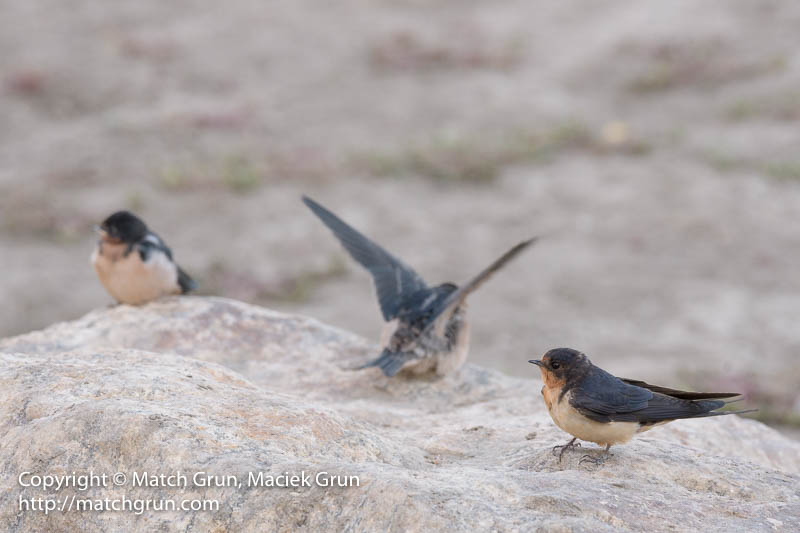
The two juvenile birds were do some flight-training and probably taking a break. In this image, one juvenile is flapping it’s wing.
Juvenile Barn-Swallow, Flapping Wings.
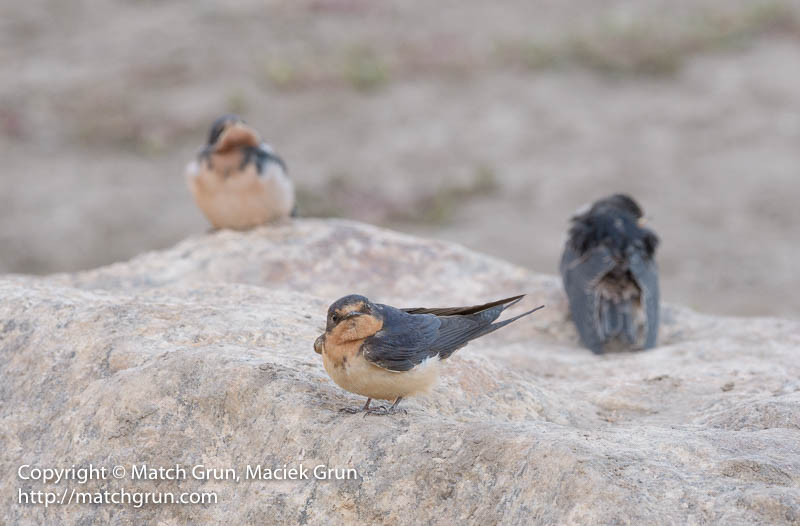
The one parent swallow was taking turns looking after the juveniles while the other parent was in-flight along the river.
Barn Swallow With Juveniles, South Platte, No 1.
Another image…
Barn Swallow With Juveniles, South Platte, No 2.
In this image, the parent was looking up above me. Maybe keeping a eye or two on foot and bike traffic along the trail. Or maybe watching for predators in the sky?
Barn Swallow With Juveniles, South Platte, No 3.
It was fun to observe these cool Barn-Swallows. Later, while heading back to the truck, I saw an egret and some cormorants. Maybe another time?
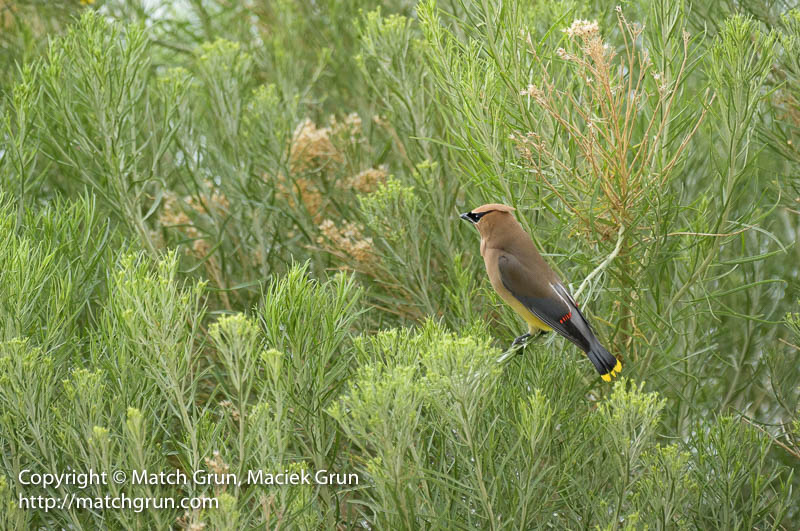
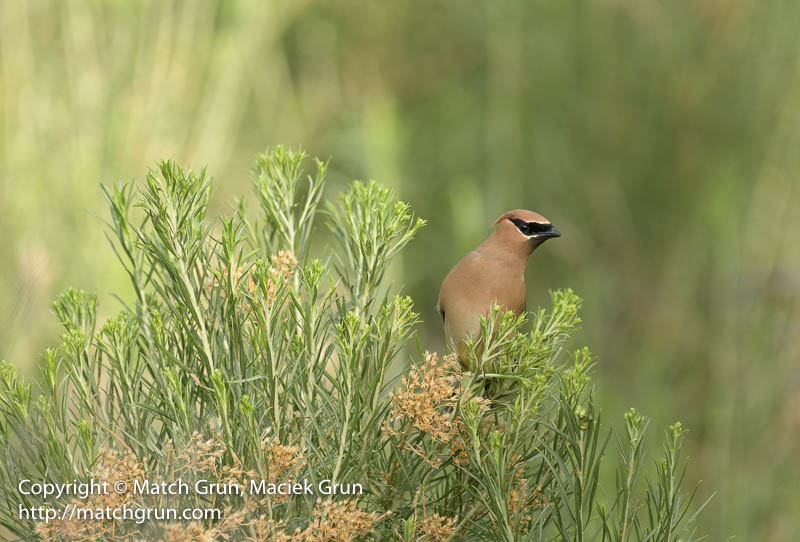
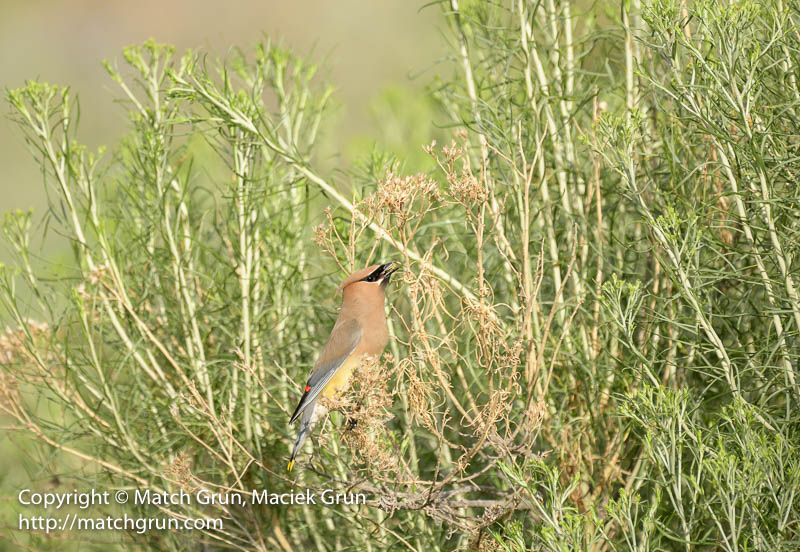
While walking back to Reynold’s Landing on July 4th, a flock of Cedar Waxwings were busy in the Rabbitbrush. These colorful birds have tail feathers with yellow tips and some secondary feathers with a hint of red — that is the red “dot” in its wing. They have a really distinctive black mask and a crest.
Cedar Waxwing On Rabbitbrush.
These small birds, about 7 inches long, came pretty close to us, so they were relatively easy to photography. Also, they hung around the Rabbitbrush for a half-hour.
Cedar Waxwing, No 2.
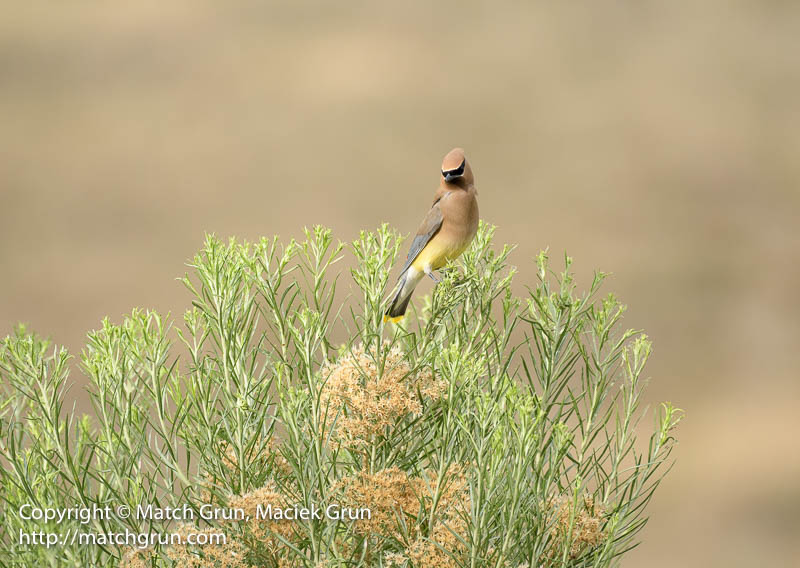
I like this bird, looking out from the bush.
Cedar Waxwing, No 3.
Cedar Waxwing generally eat berries. However, in this image, the bird had caught a bug; the bug can be seen in its bill.
Cedar Waxwing, Caught A Bug.
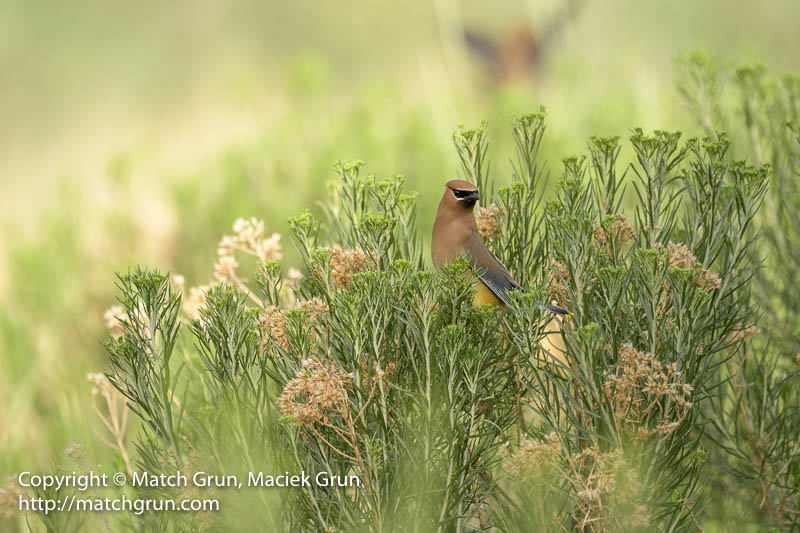
Here is another waxwing. There is one bird in the bush behind and another one (blurry) in flight in the background.
Cedar Waxwing, No 5.
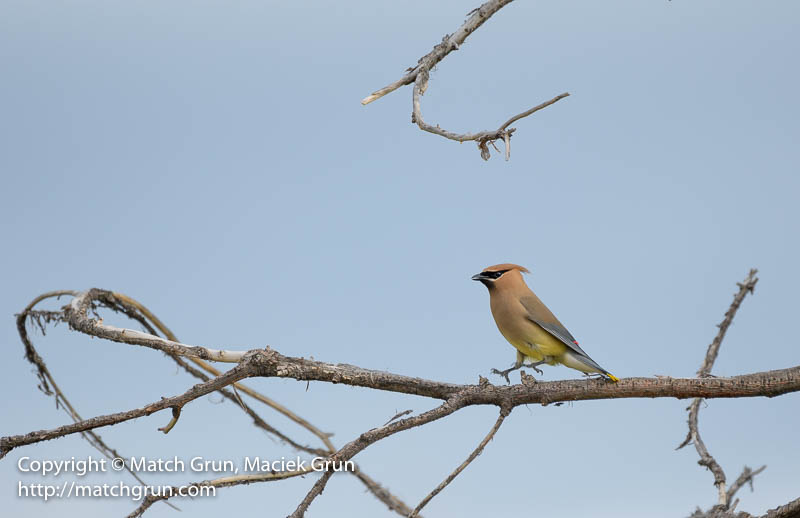
As we left the patch of Rabbitbrush, I noticed on Cedar Waxwing landing a nearby tree’s branch that served as a perch.
Cedar Waxwing, Landing On Perch.
The was a really fun experience to see the flock of all the Cedar Waxwings.
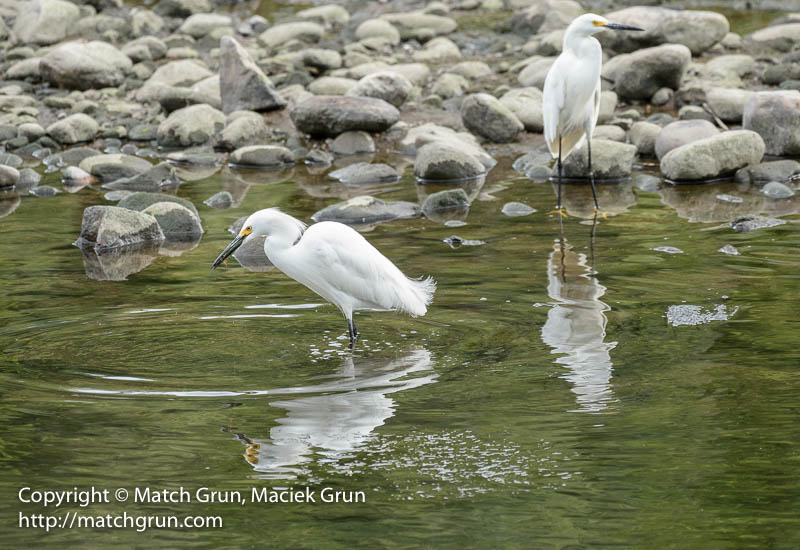
Continuing with our July 4th riverside walk, we found many Snow Egrets along the South Platte. After trolling through the mud, the egret on the left had just caught a crawdad. One may see the crawdad in the egret’s bill.
Snowy Egret, Catching Crawdad.
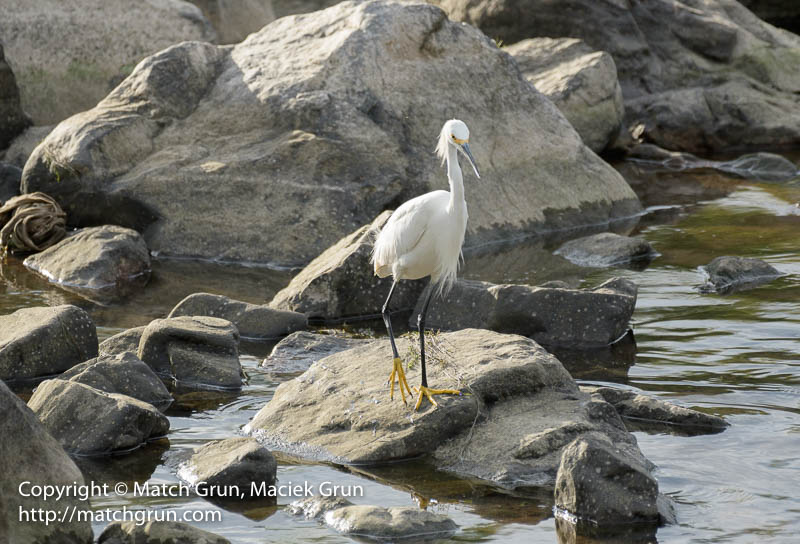
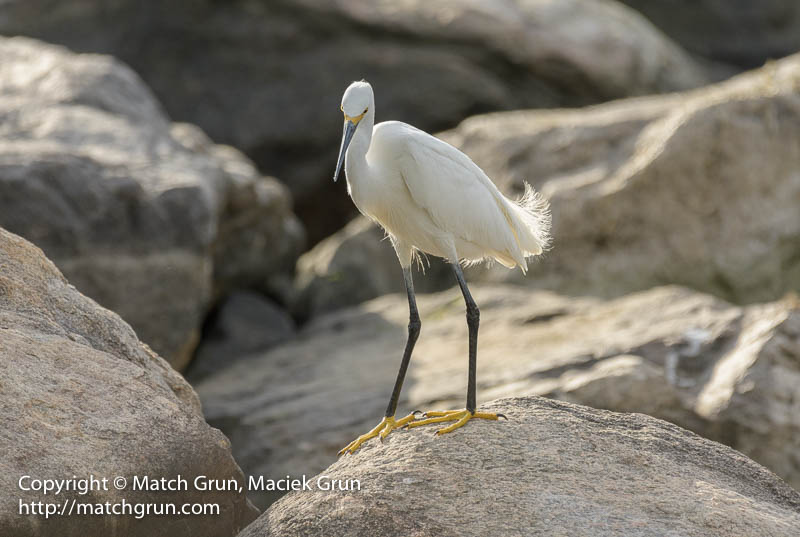
Near Reynold’s Landing, another Snowy Egret was rock hopping close to the water’s edge. The Snowy Egret can be distinguished from other egrets by their yellow feet.
Snowy Egret, No 2, Rock Hopping.
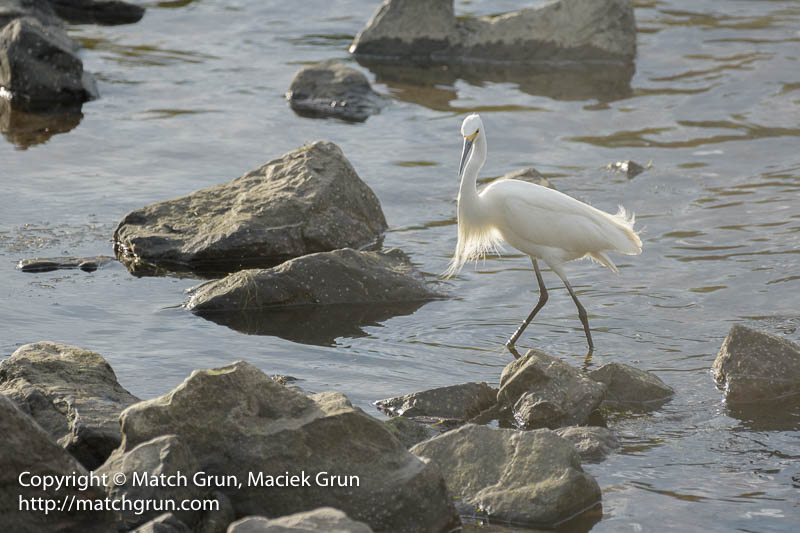
Here this egret is wading among the rocks. This bird is in its breeding plumage, with those long plumes on its chest, neck and rump.
Snowy Egret, No 2, Wading.
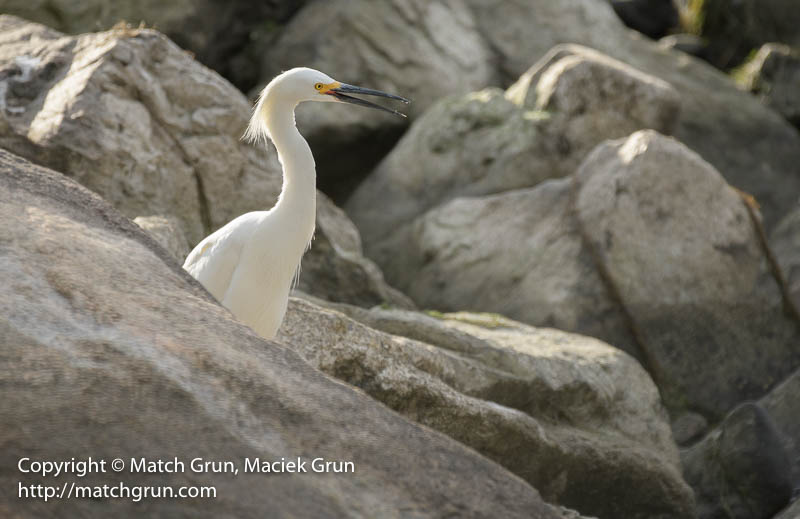
As the egret was rock hopping, it had stopped behind the foreground rock, with its bill partly open. Maybe it had just caught some prey?
Snowy Egret, Behind Rock.
Here is the final image of the Snowy Egret, looking down into the water below the frame.
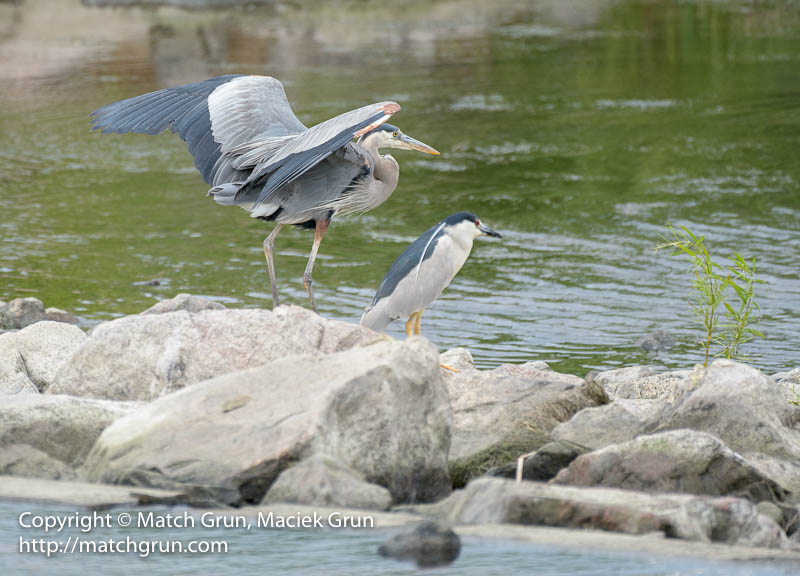
On July 4th, we headed down to the Platte River to do some birding. We saw a variety of birds. So, best to get the images out there before the month ends! Soon after arriving at Reynold’s Landing, we found a Great Blue Heron and Night Heron standing on the rocks at the water’s edge out in the middle of the river. The Great Blue was just spreading its wings for this image.
Great Blue Heron And Night Heron, South Platte.
Soon after continuing to walk along the riverside, the Great Blue moved to a rock on the far bank.
Great Blue Heron On Rock, South Platte.
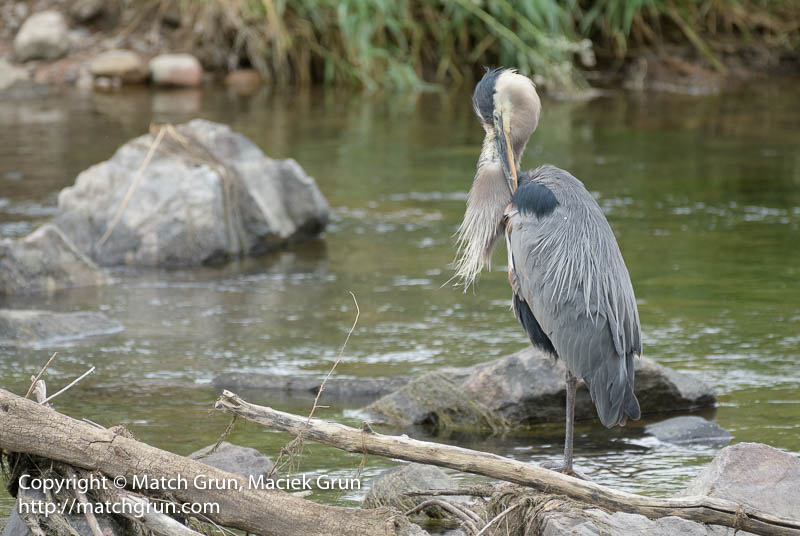
We continued along the riverside. Several hundred yards farther downstream we came across another Great Blue Heron. In this image, I managed to capture the bird cleaning itself. It had stretched its neck to reach upper body, exposing those long plumes in the process.
Great Blue Heron No2, Cleaning.
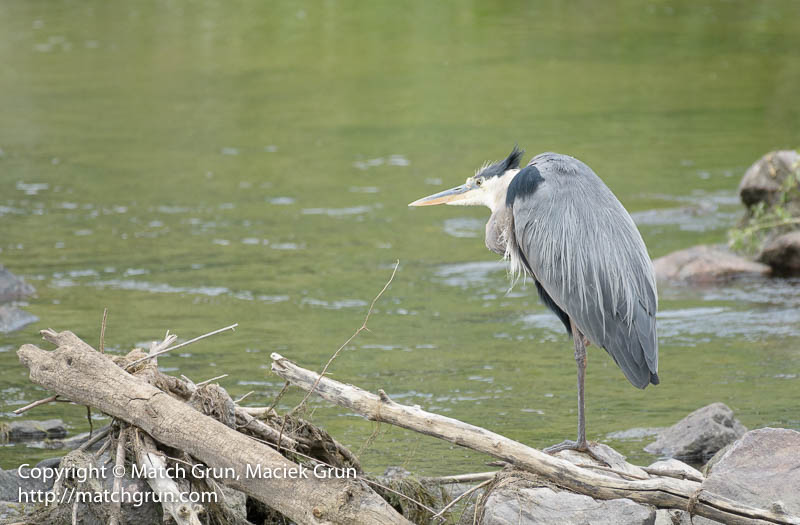
All this while standing on one leg!
Great Blue Heron, Standing One Leg.
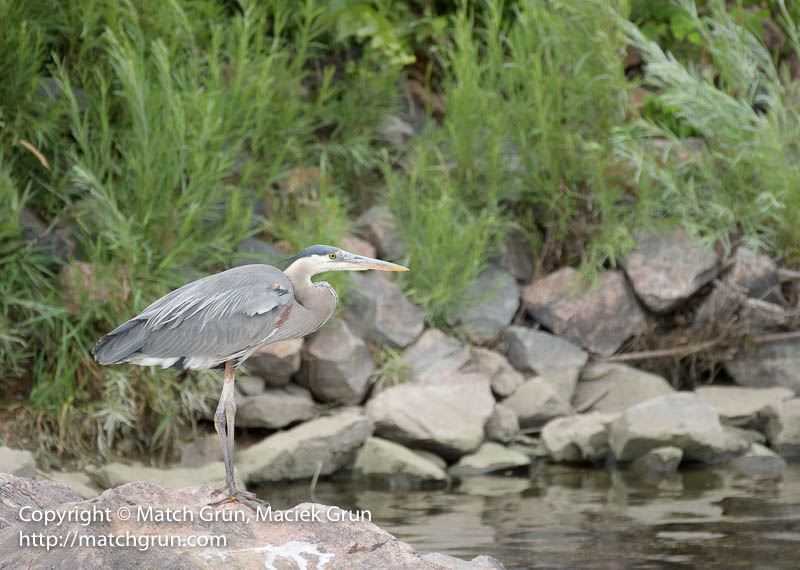
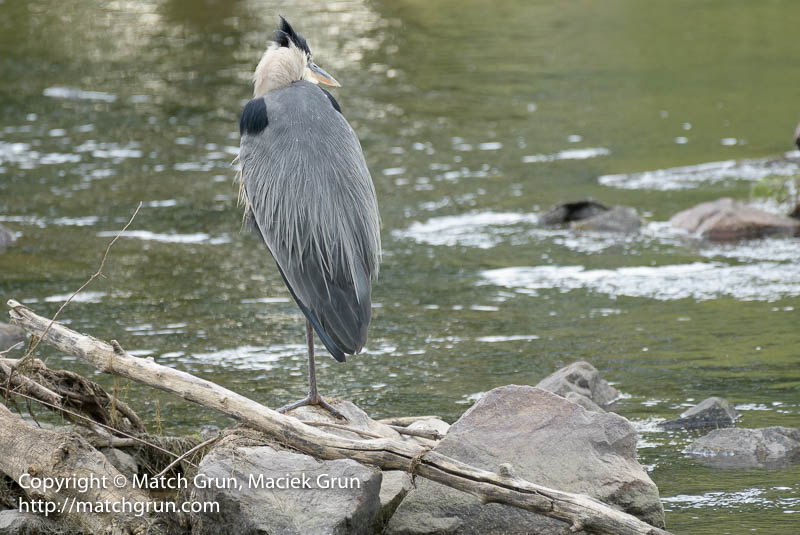
I like the pose of the heron as it was looking out across the water.
Great Blue Heron, No 2, Standing Guard.
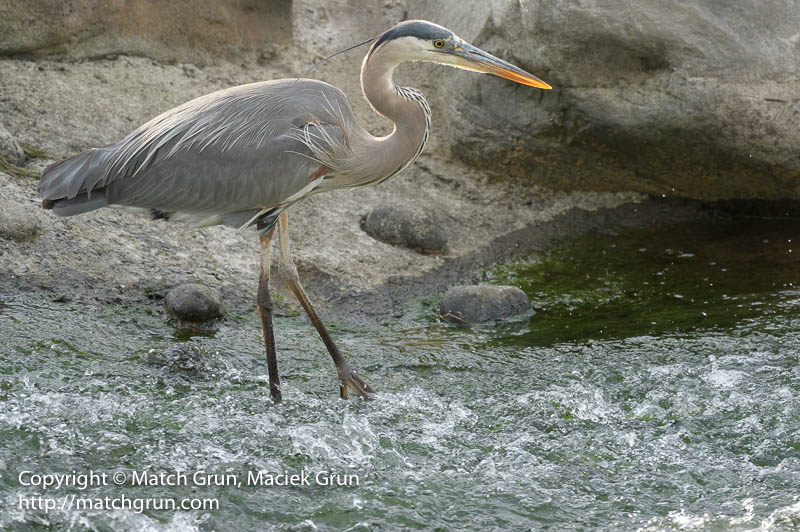
When we had returned to Reynold’s Landing, Heron #1 had moved into the water. Apparently, the waterway was very busy all day with tuber’s running down the river. Most of the tuber’s had left before we arrive. So now it was the opportunity for birds to return to the water again. It this image, the setting sun backlit most of the birds in the waterway. Here, the sun lit up the heron’s bill.
Great Blue Heron No 1, In The River.
I made several images of other birds, that will follow.