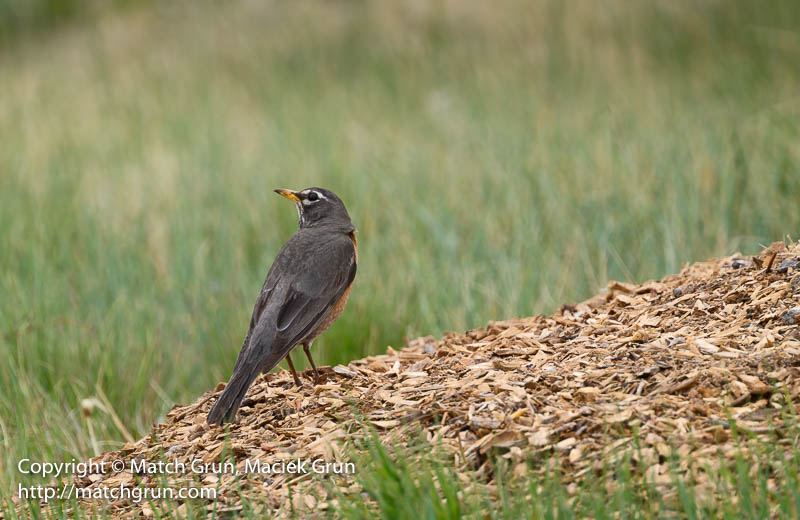
Yesterday, on Mother’s Day, Angela decided that we should go to Reynold’s Landing to do some late afternoon birding along the South Platte River. Leaving the parking lot for the river walk, we encountered an American Robin, calling from the trail-side.
American Robin, Reynold’s Landing.
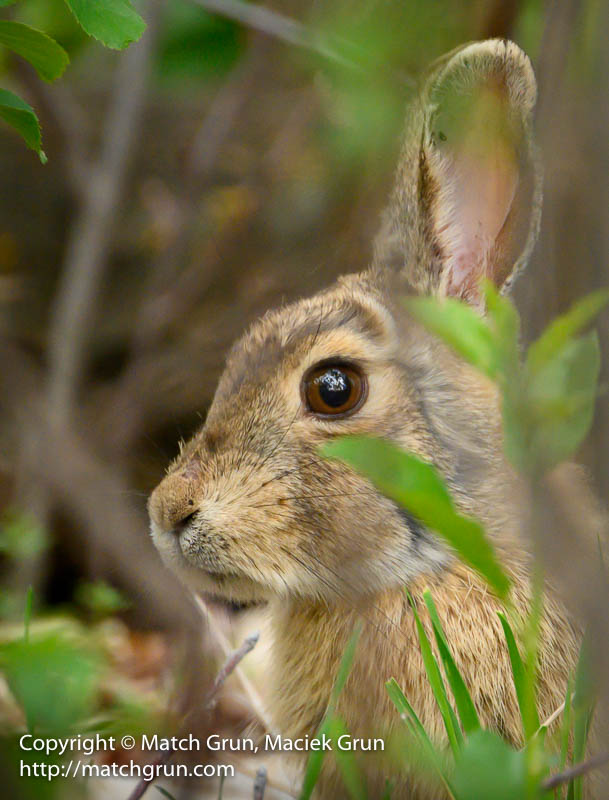
We continued our way south along the woodland trail. We could hear the calls of many birds, but could not see them. While stopping along the trail, I heard some rustling in the undergrowth. There was some movement and a little face appeared. Looking through the camera lens, I found this rabbit munching some grass.
Rabbit, In Undergrowth, Reynold’s Landing.
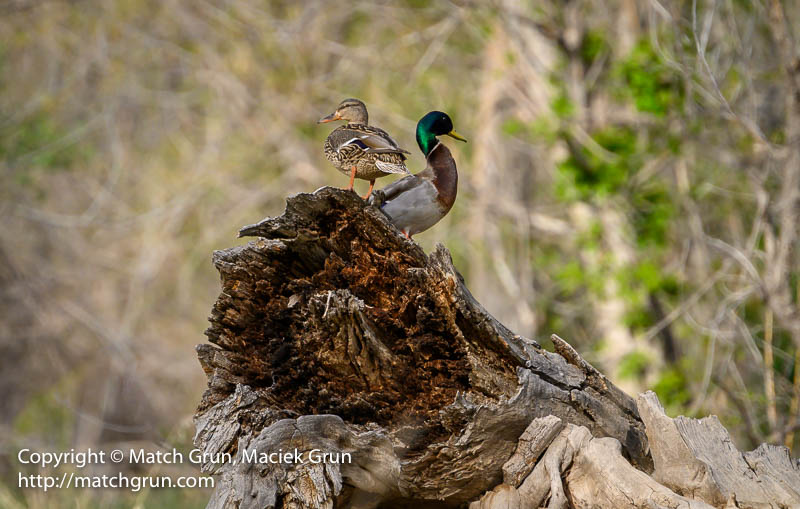
Soon it was time to turn back, but by a different trail. Angela spotted this pair of Mallard’s perched on the tree stump belonging to a fallen tree.
Mallard Pair, On Tree Stump.
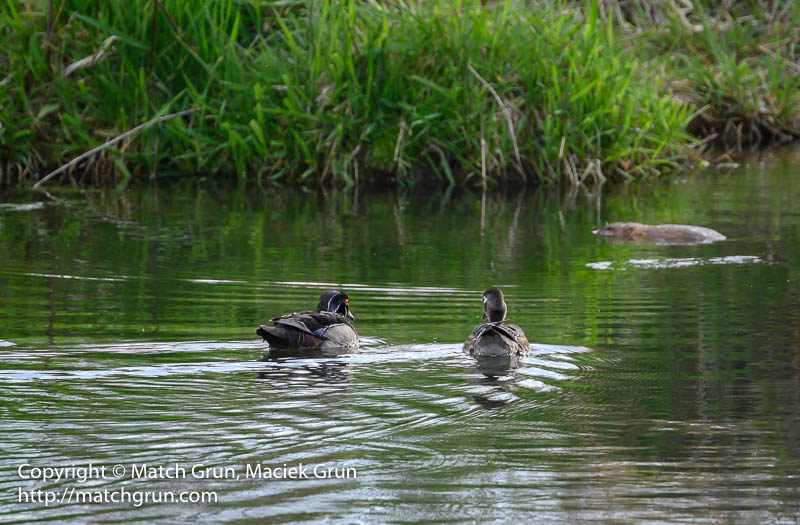
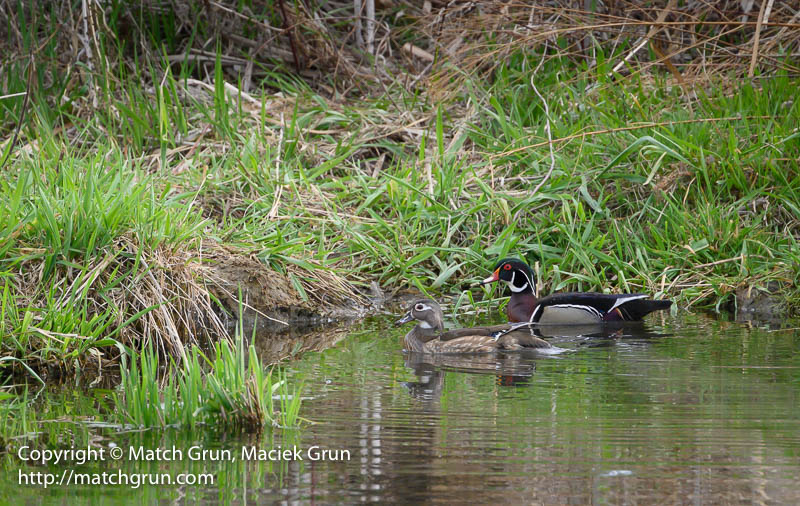
While walking along the riverside, I noticed two pairs of Wood Ducks paddling across the river. We made our way downstream until we reached one pair. These ducks are extremely timid, so we were lucky to see two pairs!
Wood Duck Pair, South Platte.
This pair chose to stay close to the far bank, reasonably close to us; the second pair continued to swim away downstream. The male duck has really distinctive markings with a long crest on the back of his head. The female would be really well camouflaged and has a really distinctive eye-ring or eye-patch.
Wood Duck Pair, South Platte, No 2.
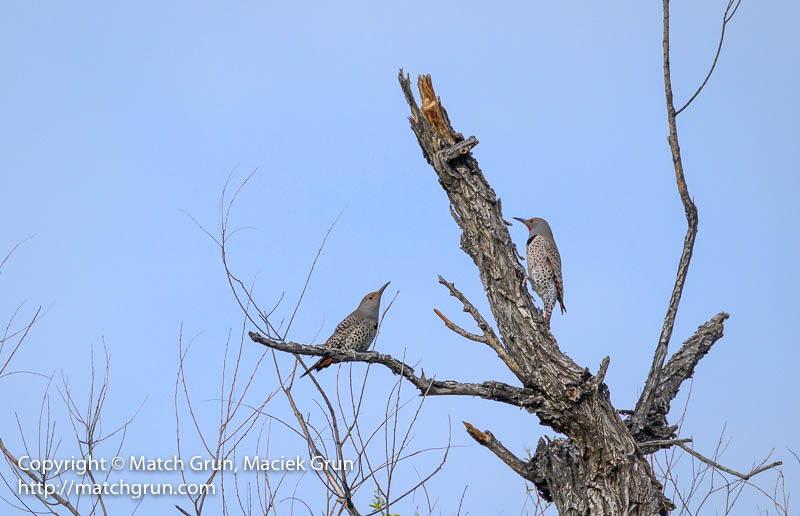
Heading back towards the parking lot, we encountered this pair of Northern Flickers near the top of a tree that was just starting to bud.
Northern Flicker Pair, In Tree.
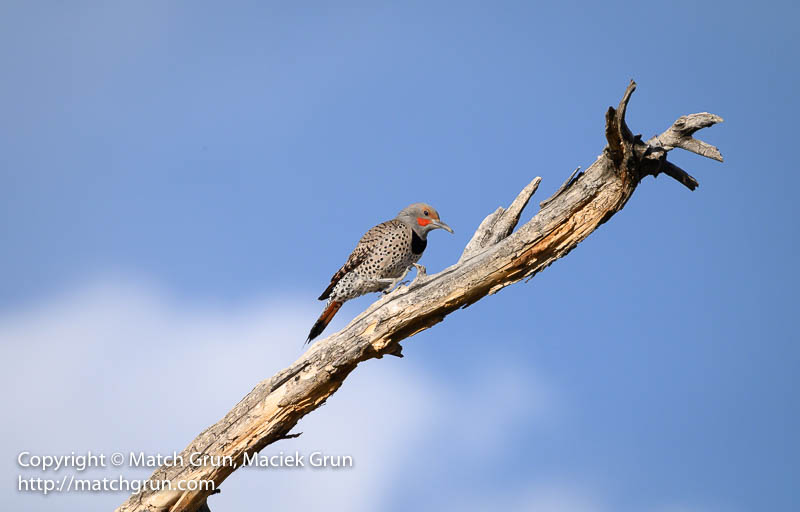
Adjacent to the parking lot, another male Flicker was calling from a tree branch.
Northern Flicker Male, On Branch.
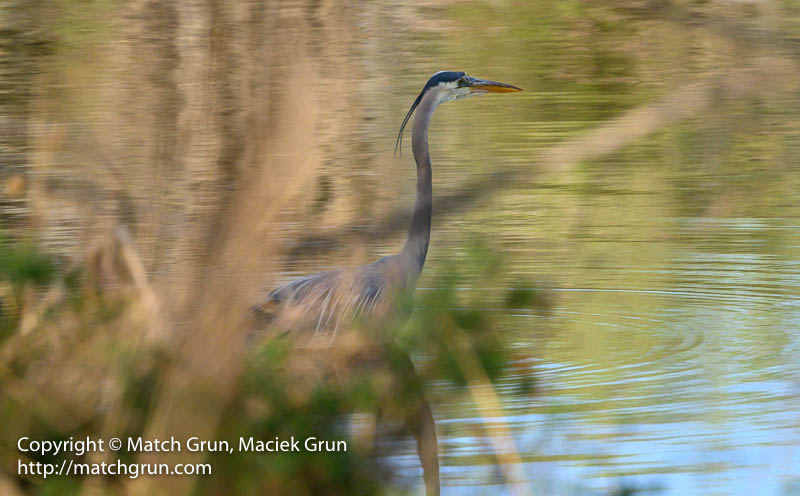
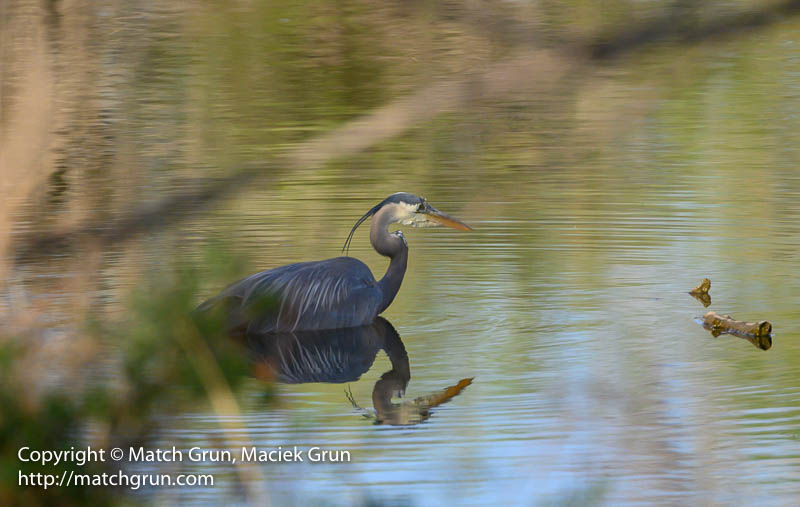
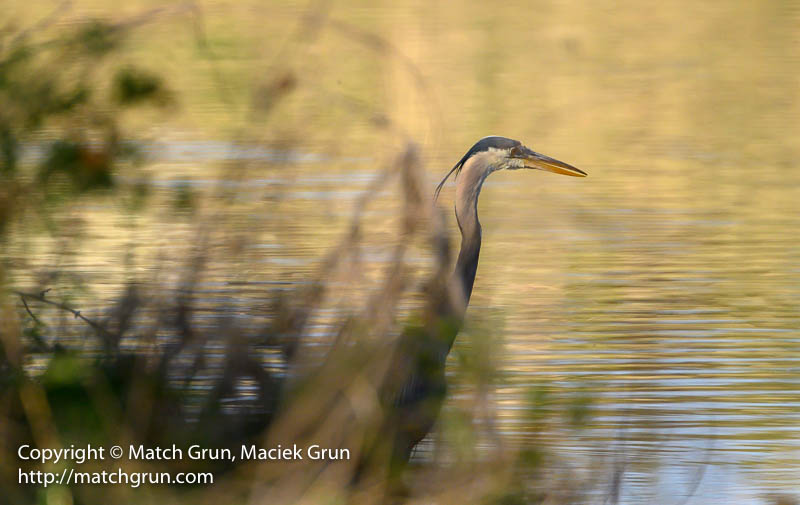
Located close to the parking lot is a pool where I had spotted a Great Blue Heron during a bike ride a week or so prior. We headed towards the pond. In the distance, we could see the Heron, stationery at the side of the pond. I made my way closer to the bird, making sure that I did not disturb the heron. So I chose to shoot through the bushes along the shore.
Great Blue Heron, Reynold’s Landing Pond.
I continued to watch and wait. Soon, the heron started stalking some prey in the water.
Great Blue Heron, Stalking.
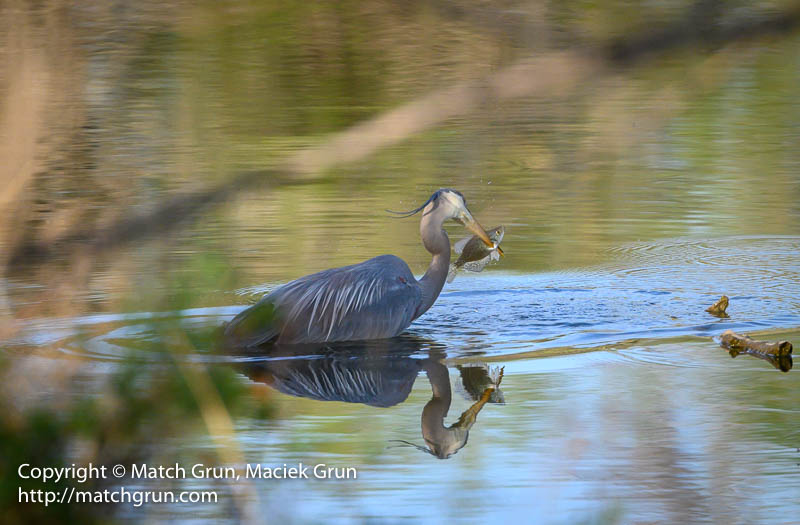
Caught it. The heron caught a sizeable fish, maybe some 8 inches in length.
Great Blue Heron, Caught It.
The heron proceeded to swallow the fish. Soon here turned around and resumed the waiting game.
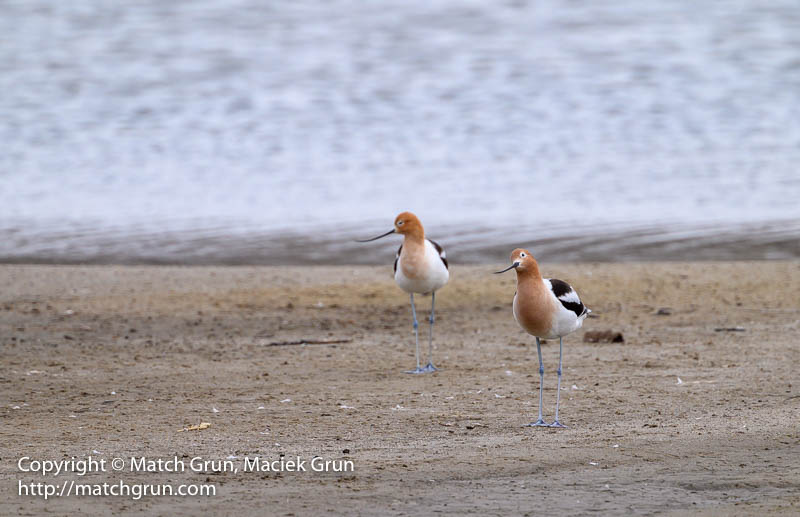
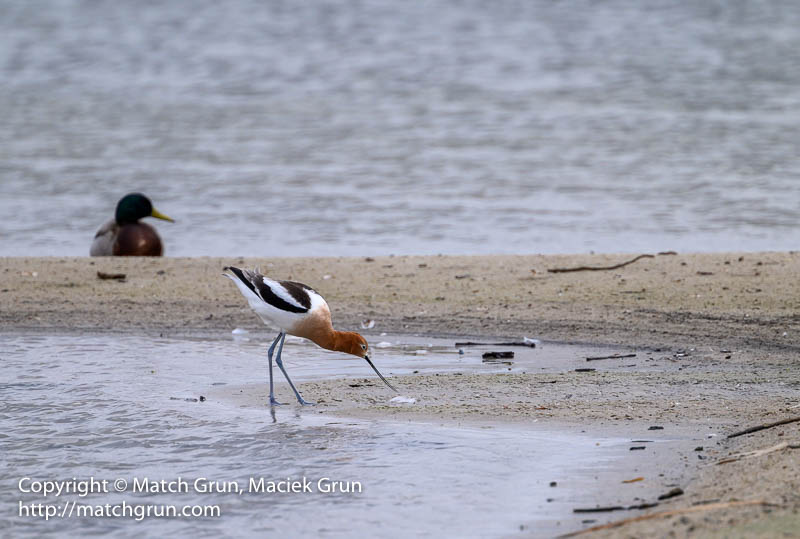
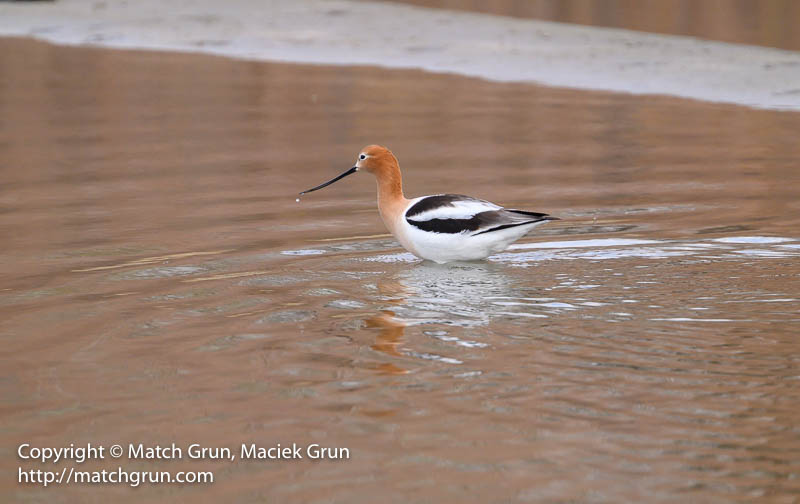
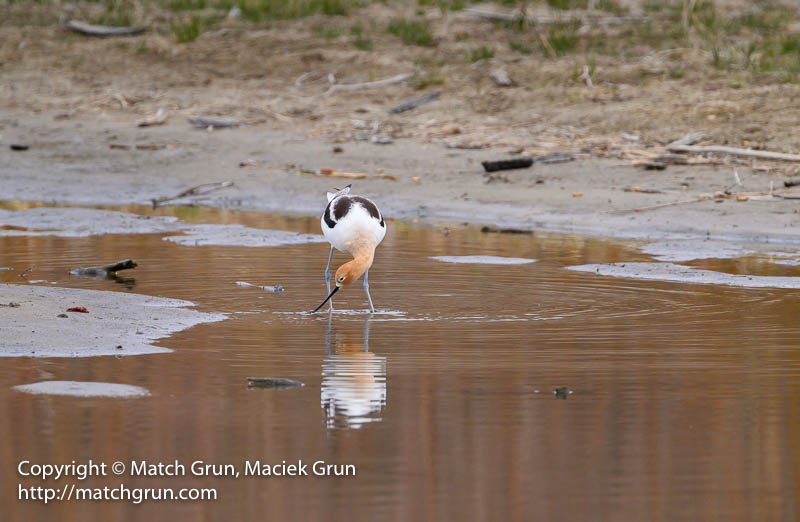
On Sunday, we headed out to check out the bird life at Cherry Creek State Park. We chose to start at the Pelican Point area of the shore. While walking along the shore, we passed several Coot, until we arrived at the point where a creek joined the lake. In the distance a pair of Avocet were dozing in the water. After a few minutes, they came ashore towards us.
Avocet Pair, Looking Up.
I noticed that one bird had turned its head to the sky. The second bird repeated the same move. Were they checking for predators? After a few minutes they waded across the water and started to feed.
Avocet, Feeding, Cherry Creek State Park.
Several minutes later they flew along the creek, landing in front of us.
Avocet, Walking, No 1.
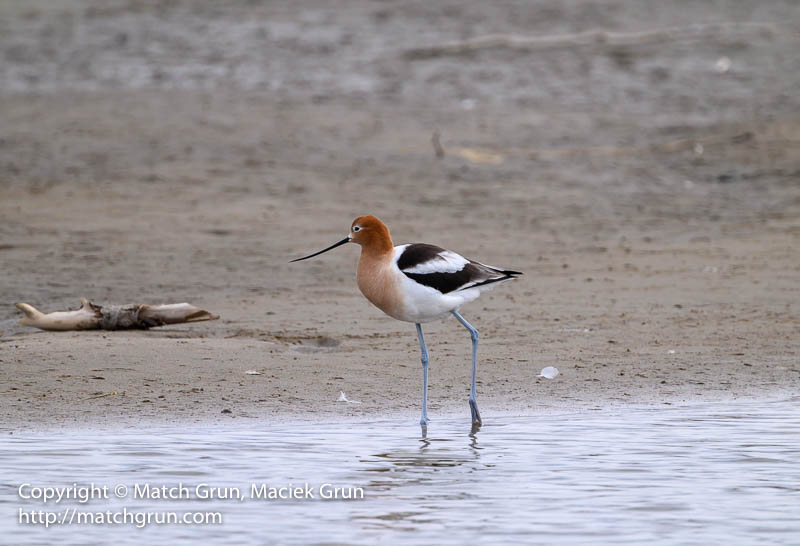
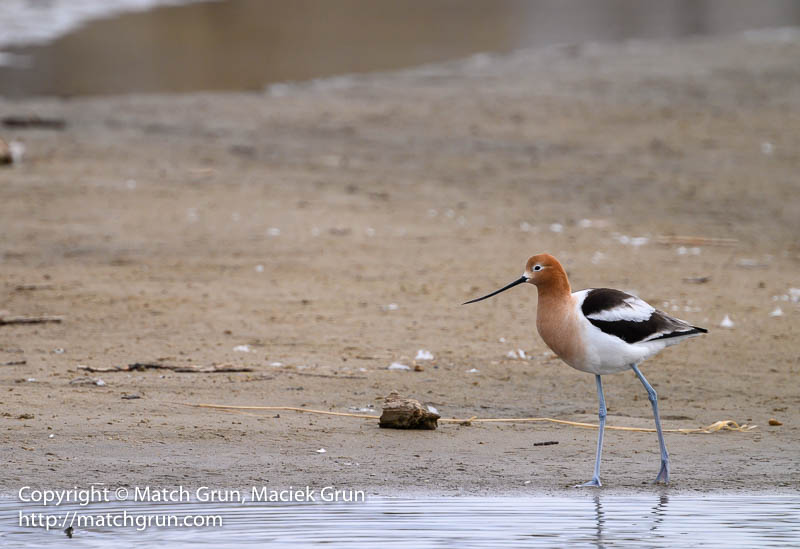
The vegetation along the shore created a much better background than the open water near the center of the lake. Here both resumed walked along the shore with a nicer background.
Avocet, Walking, No 2.
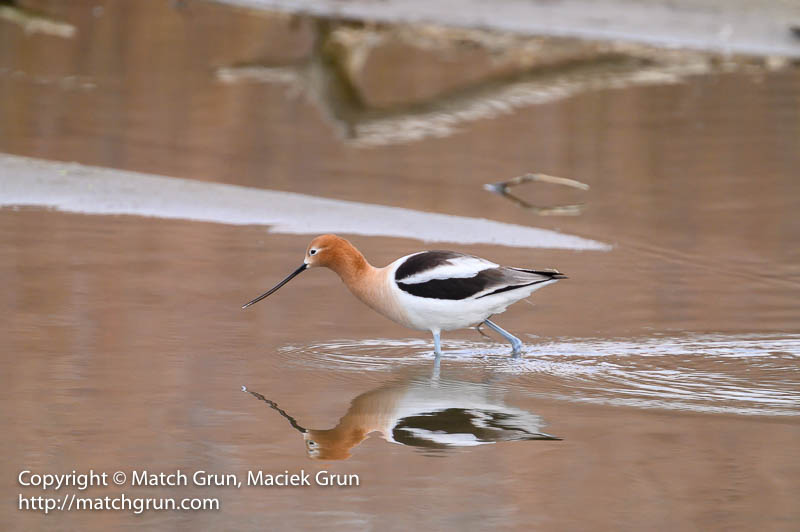
One bird continued to wade in front of us, feeding in the water.
Avocet, Wading, No 1.
In this image, I was lucky to capture an image as a water droplet fell from the Avocet’s bill.
Avocet With Water Droplet.
Here is the last image that I made while the Avocet was feeding.
Avocet, Feeding, No 2.
Soon after we left the park, heading home for a bite to eat.
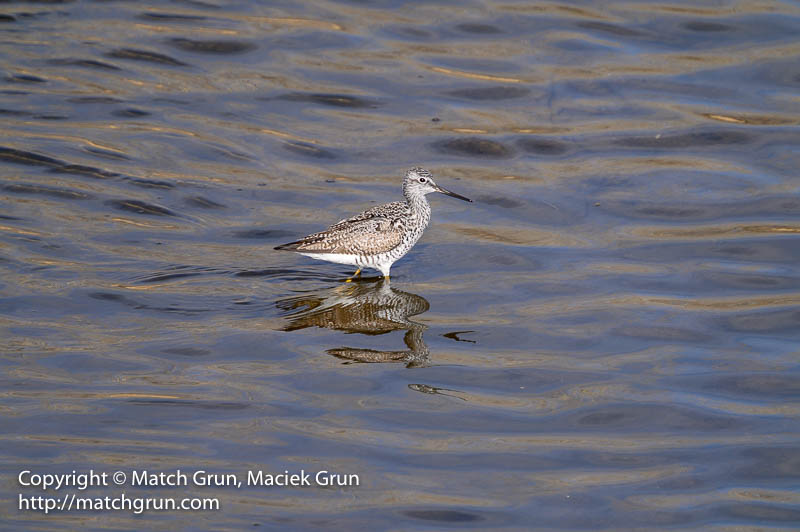
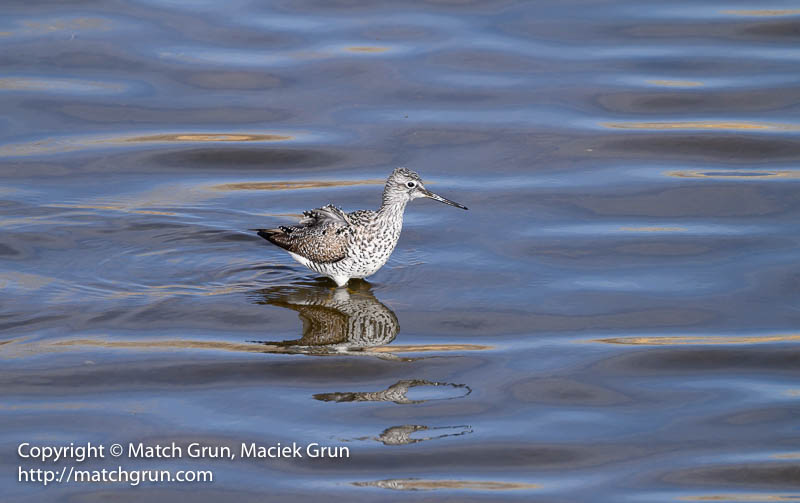
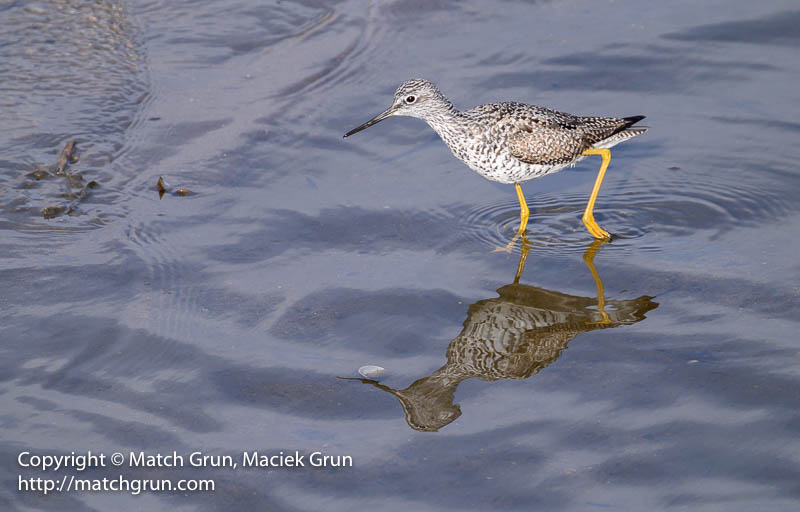
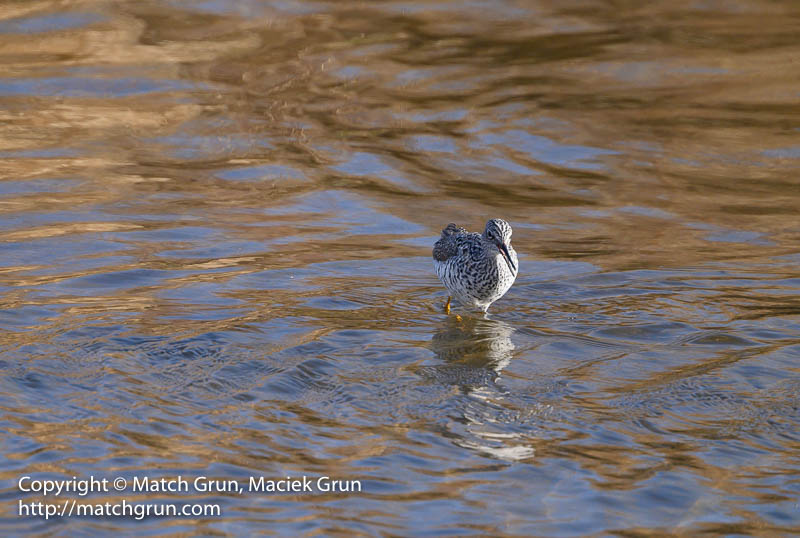
There was a group of four Lesser Yellowlegs wading and feeding in the creek. In this image, an occasional gust of wind did manage to ruffle some feathers in this bird.
Lesser Yellowlegs, Westerly Creek, No 1.
Lesser Yellowlegs, Wind-Ruffled, Westerly Creek.
While I was on the bridge overlooking the creek, the birds approached closer. Good news.
Lesser Yellowlegs, Westerly Creek, No 2.
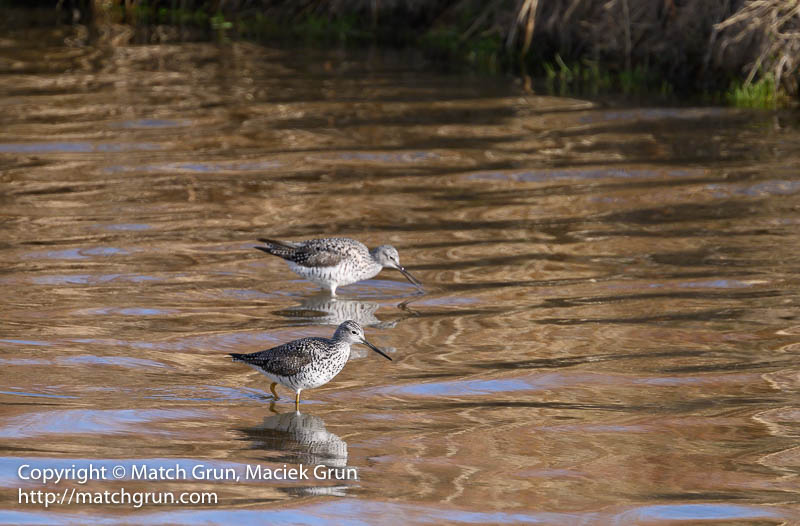
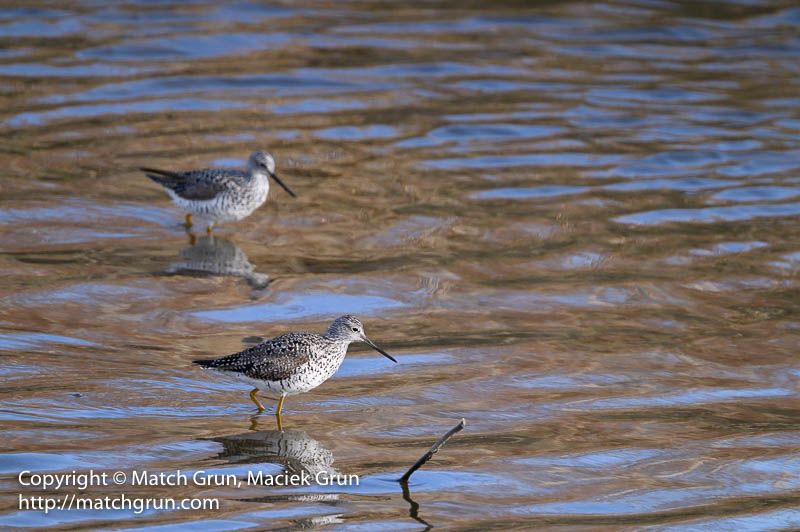
I made several images from the bridge. Later, crossing the bridge, I made my way to the far bank and approached the riverside. After waiting for several minutes, a pair of Yellowlegs made their way closer.
Pair Of Lesser Yellowlegs, Westerly Creek.
This was a much better location, because reflections from the vegetation along the river bank created nice background for the images.
Lesser Yellowlegs Pair, Westerly Creek.
In this image, one bird had his bill opened as it approached me.
Lesser Yellowlegs, Westerly Creek, No 3.
It was really great to see the birds on a really windy day.
This month I made another trip to the South Platte River to make some test images close to the end of the day at a weekend.
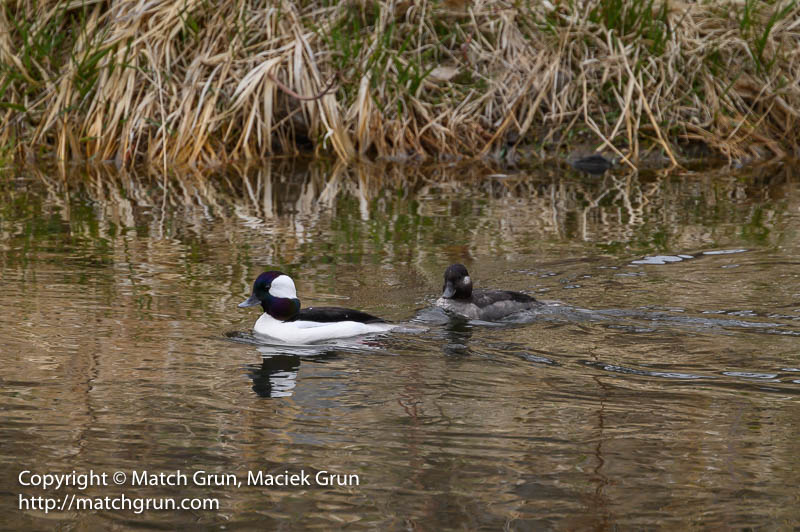
Bufflehead Duck Pair, South Platte River, No 1.
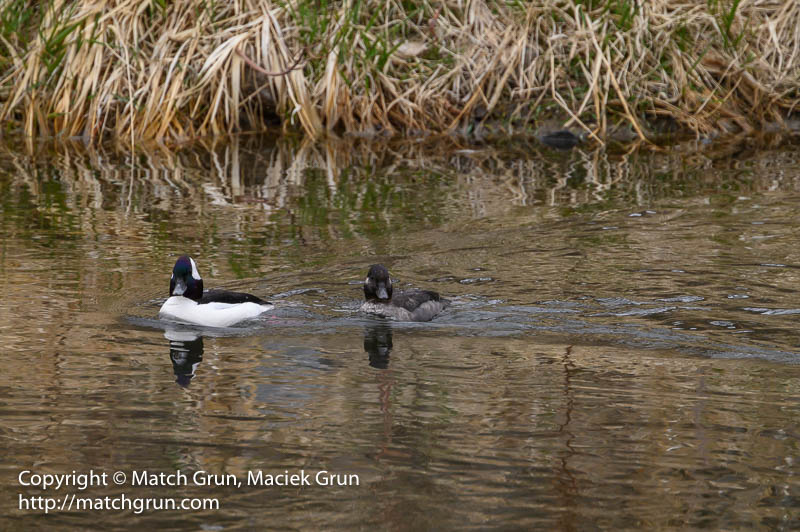
I was pleased to capture both these images of a pair of Bufflehead Ducks. They allowed be to get a little closer. In this second image, they made a turn to head back downstream.
Bufflehead Duck Pair, South Platte River, No 2.
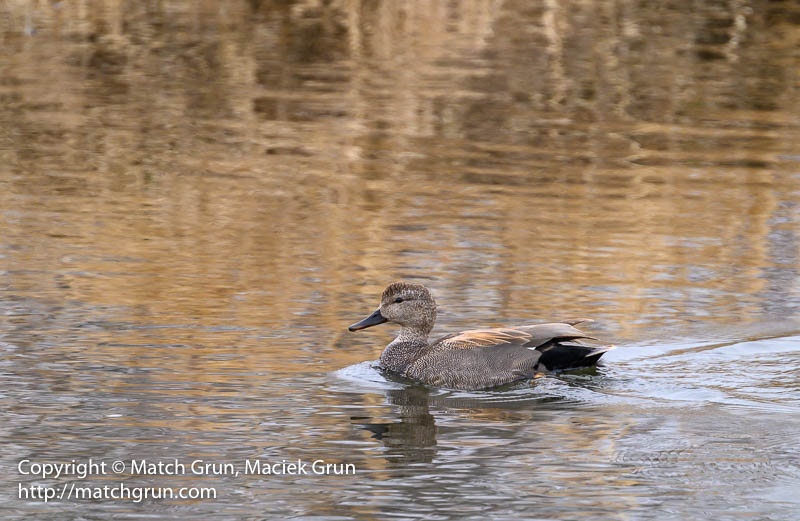
I found a group of Gadwall swimming in the river, and captured this image.
Gadwall, South Platte River.
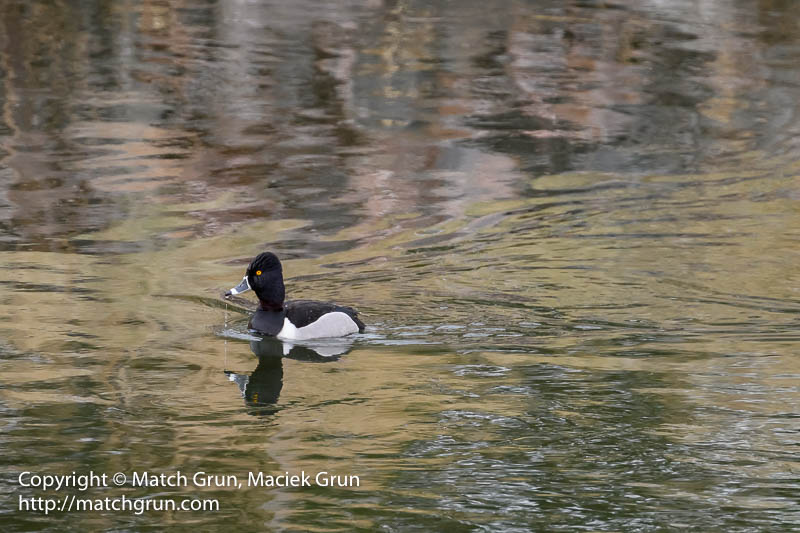
Close to the parking lot, I found a mating pair of Ring-Neck Ducks. In this image, the rocks and far river bank, made some striking reflections. The male was swimming through reflected pools of color, with a stream of water dribbling from his bill.
Male Ring-Necked Duck, South Platte River.
For all the above images, I was testing my zoom lens with a tele-converter. I was really impressed with the quality of the images, where most of the images were under overcast skies.
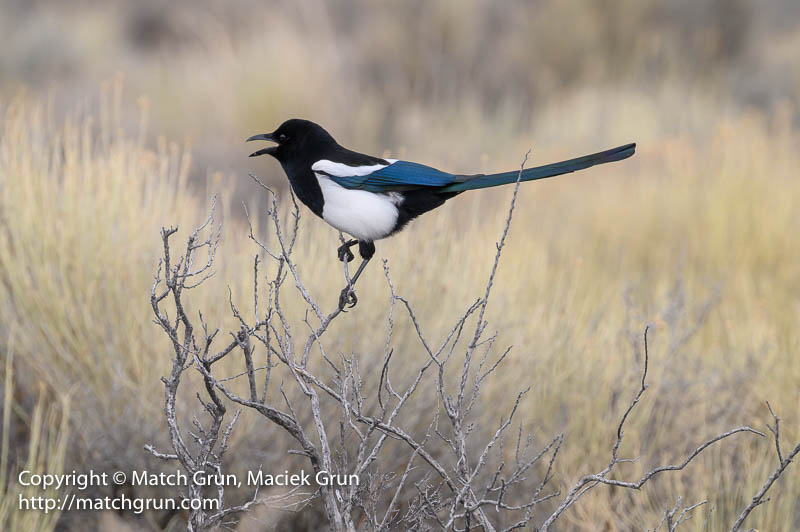
Week before last we spent a few days at Monte Vista, where we visited the National Wildlife Refuge. After checking in the hotel, we made our way to the Refuge. Near the entrance, this Magpie was calling out from the sage brush.
Magpie, Monte Vista Wildlife Refuge.
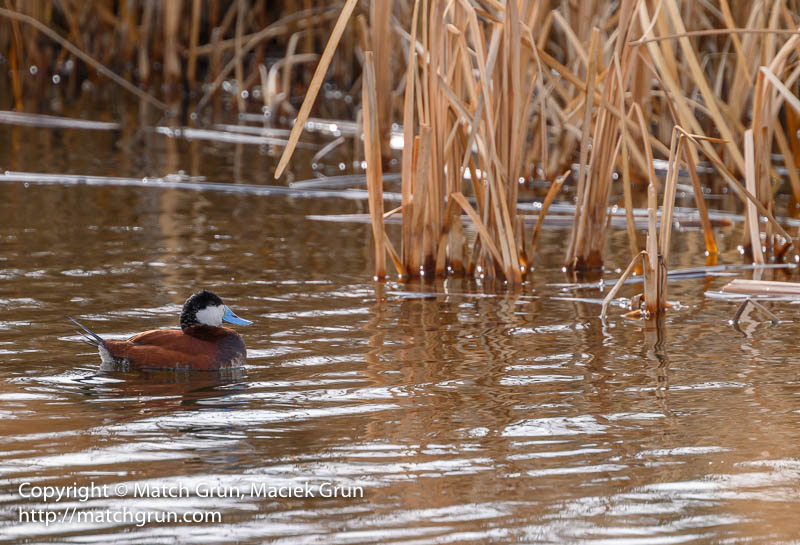
Later we headed to the ponds. On this visit, there were many groups of Ruddy Ducks swimming in the pond. This year, we were fortunate that they came reasonably close to us. This allowed me to get a decent image of a male Ruddy Duck that was pursuing a female by the cattails. The males are very distinctive with their blue bills and a nice big smile.
Male Ruddy Duck, Monte Vista.
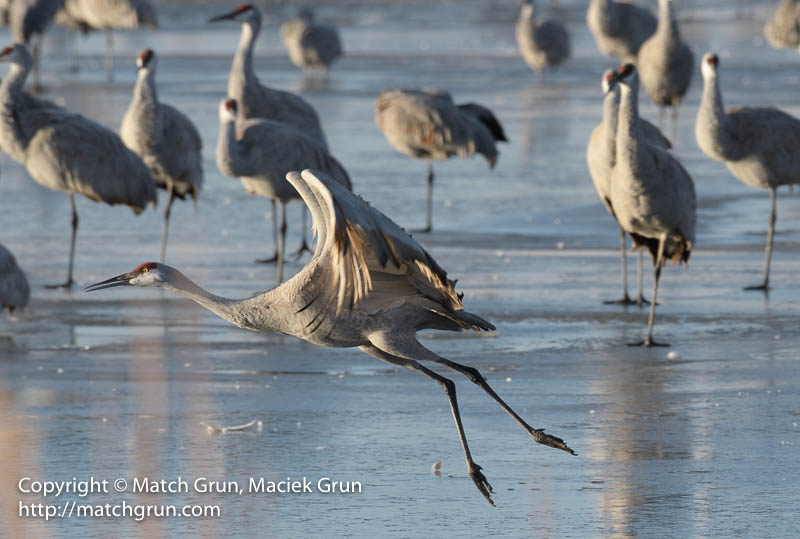
The following morning we visited the ponds just as the sun was rising. During the night, most of the ponds freeze over with the freezing temperatures. The Sandhill Cranes spend the night close to water to keep safe from predators. As the temperatures warm, the cranes leave the ponds to find feeding grounds during the day. It is always fun to watch the cranes take off during the morning. Sometimes we are lucky to capture some images of the birds in flight.
Sandhill Crane, Taking Off, Monte Vista.
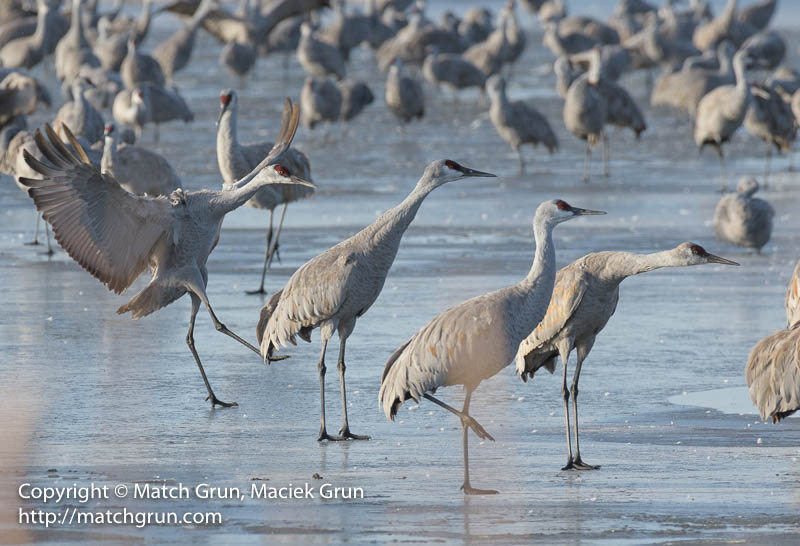
Cranes frequently adopt this pose before they take flight. Here I managed to capture four birds about the take off from the frozen pond.
Sandhill Cranes, Waiting To Go.
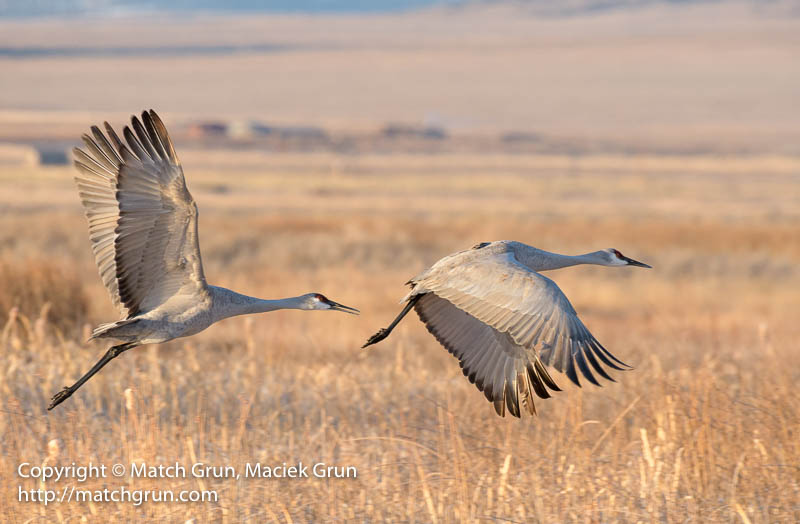
I attempted to capture some birds in flight. In this image, I capture this pair as they flew out after sunrise over the cattails that line the edges of the ponds.
Sandhill Crane Pair, In Flight.
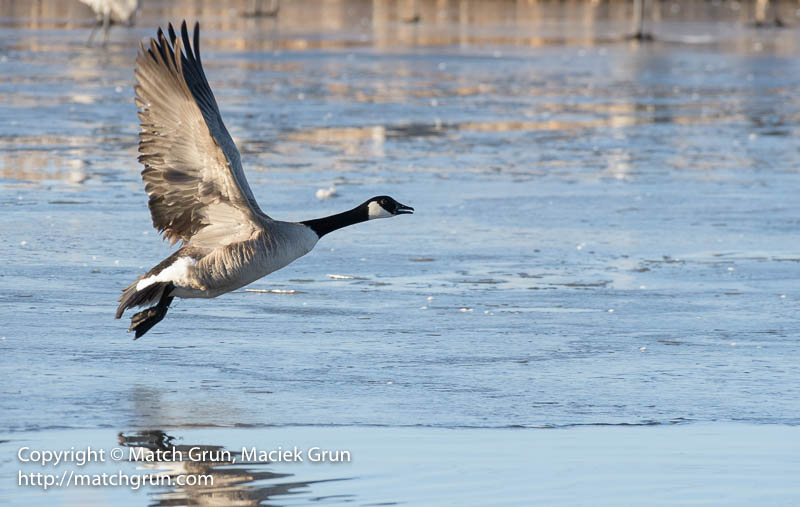
There were a few Canada Geese in the same pond. I noticed a group of several geese that were making their way to open water away from the cranes. It appears that geese need more length to take flight than the cranes. Soon the geese took off. I managed to capture an image of one of these geese.
Canada Goose, Leaving The Icy Pond.
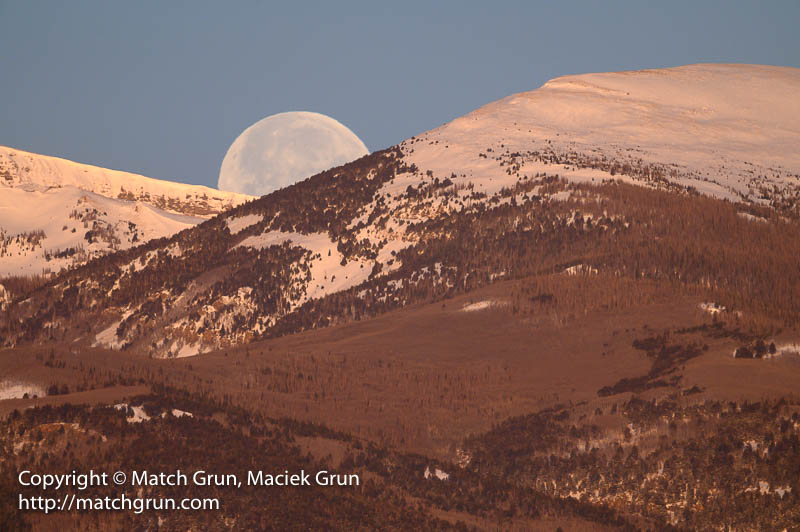
During our first morning, the moon was slowly dipping down over the San Juan Mountains. I captured this moonset just before the moon dropped behind the mountains.
Moonset Over San Juans, Monte Vista.
We had a really enjoyable time birding and photographing just before the weekend started.
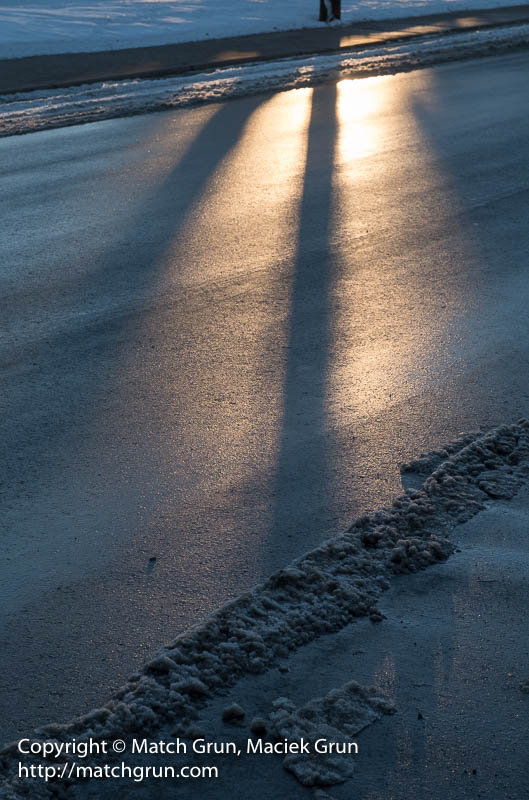
Every day, I take an hour or so to get some exercise. This is usually a bike ride or, when conditions are not good, a walk through our neighborhood. The latter is more usual during the winter months! Earlier this month, after a recent snow storm, this walk took me near Porter Hospital. The light at the end of the day was fabulous as sunset approached. In this image the setting sun cast shadows from a tree across the frozen surface of the street.
Winter Sunset Reflections, Denver.
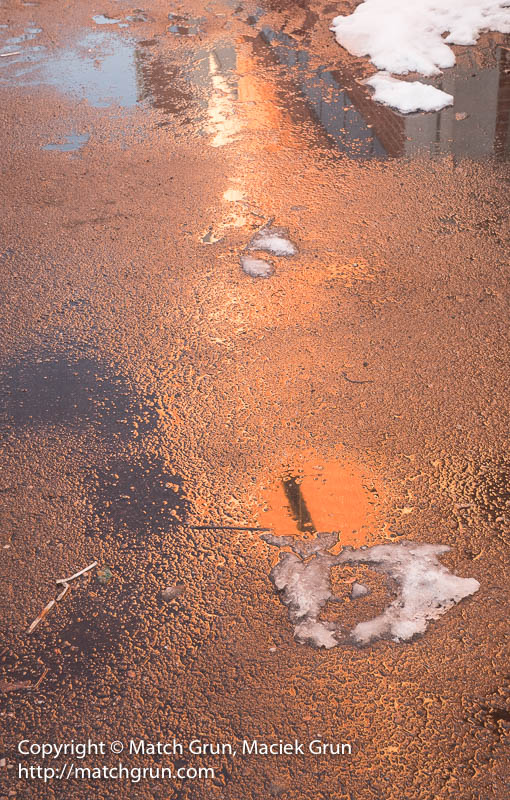
That evening’s walk, took me through the parking lot where the snow had been cleared earlier in the day.
Parking Lot Reflections At Sunset.
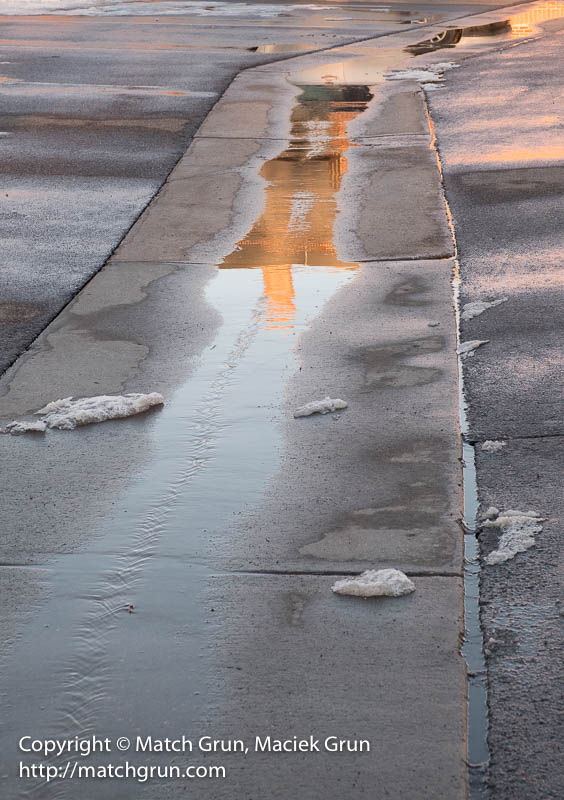
There is one spot where the melted water drains in a shallow trough that runs across the parking lot. Here the sun caught reflections of one of the buildings in the background.
Parking Lot Reflections At Sunset, No 2.
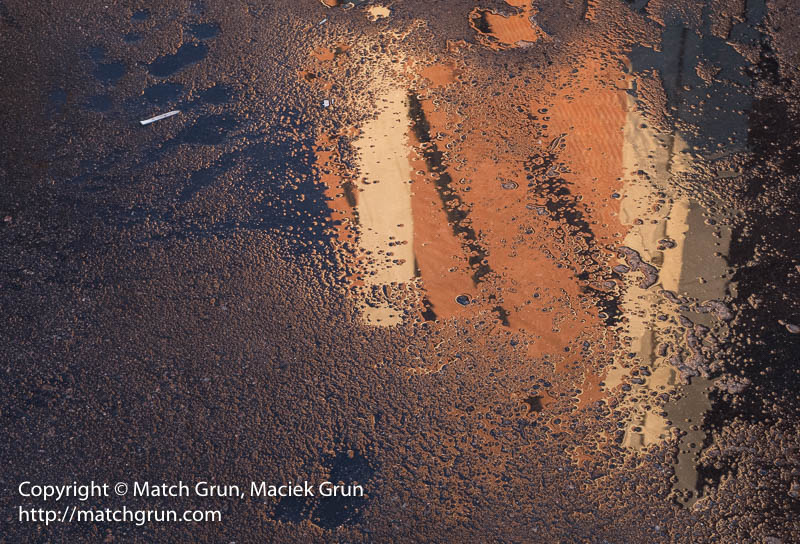
At the nearby parking garage, I captured this image of the reflections. Here the building walls are constructed from brick. The coloring of the brick just adds to the intensity of the orange reflections at sunset.
Porter Hospital Parking Garage Reflections.
I made the following image before moving on with the evening’s walk.
Porter Hospital Parking Garage Reflections, No 2.
A few days later, I uploaded these images to my computer and was pleased with the stunning results!
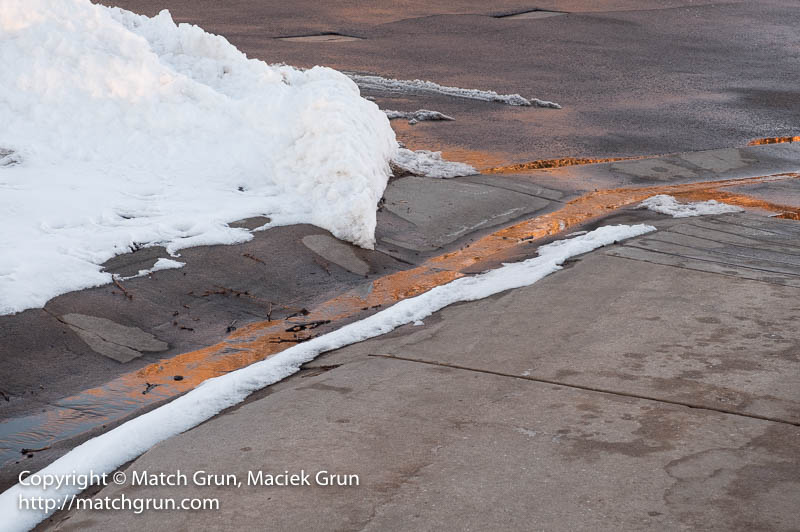
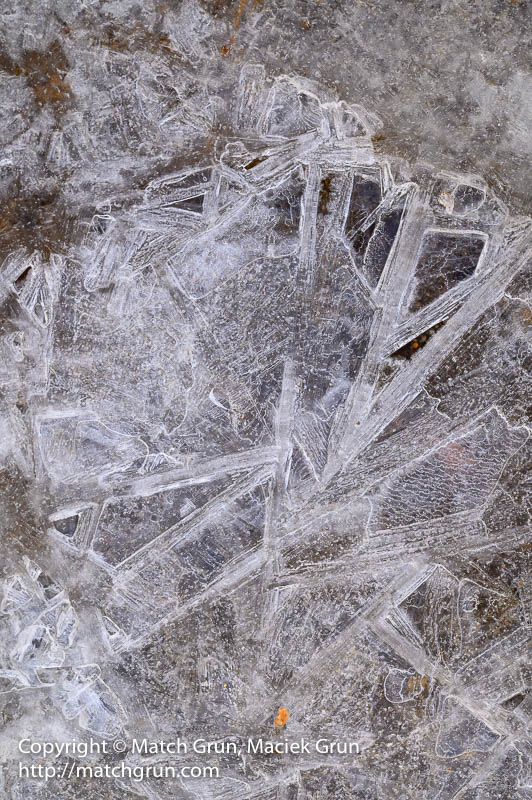
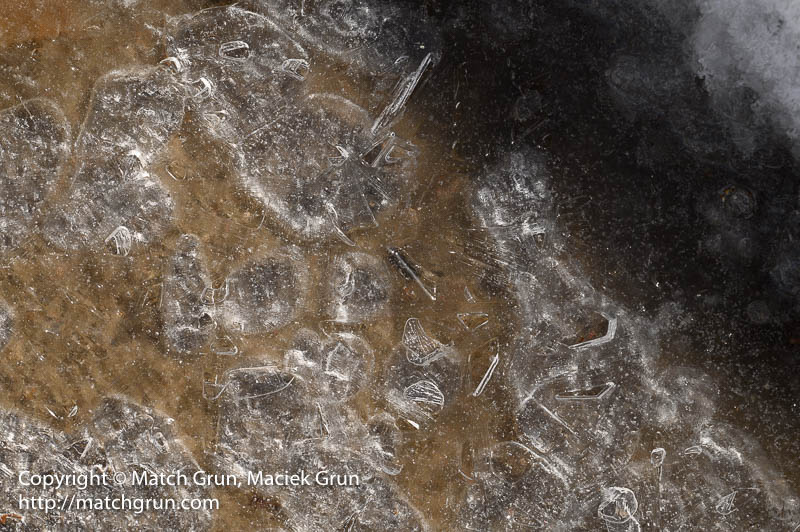
We have had several snow storms this year. The snow melts in the heat of the daylight sun and freezes on the following night. The ice creates some really interesting patterns when freezes. Last week, I decided to attempt to capture some abstract images of these ice patterns. These images were made of the ice that formed along the kerb at the edge of our street.
Ice Patterns In The Street.
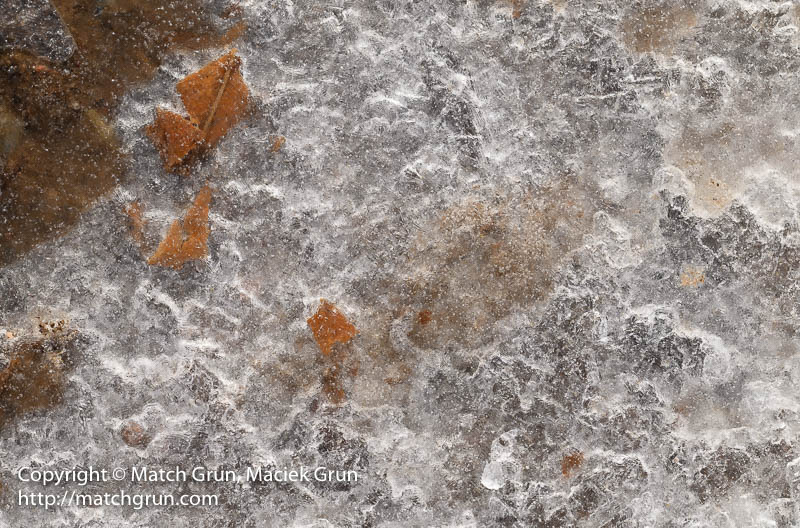
Some leaves got trapped by the freezing ice. This created a nice contrast between the white of the ice and the orange/brown of the leaves.
Leaves Trapped In The Ice.
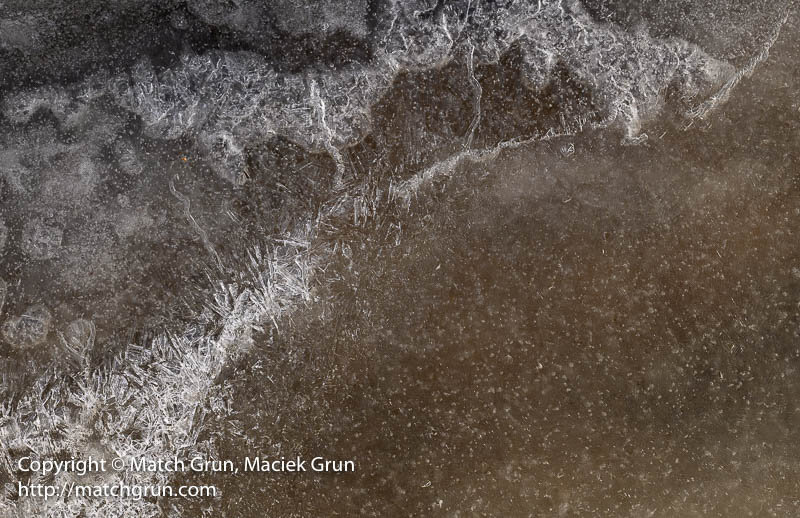
Further down the street, an ice arc was formed at the edge of the street.
Ice Arc.
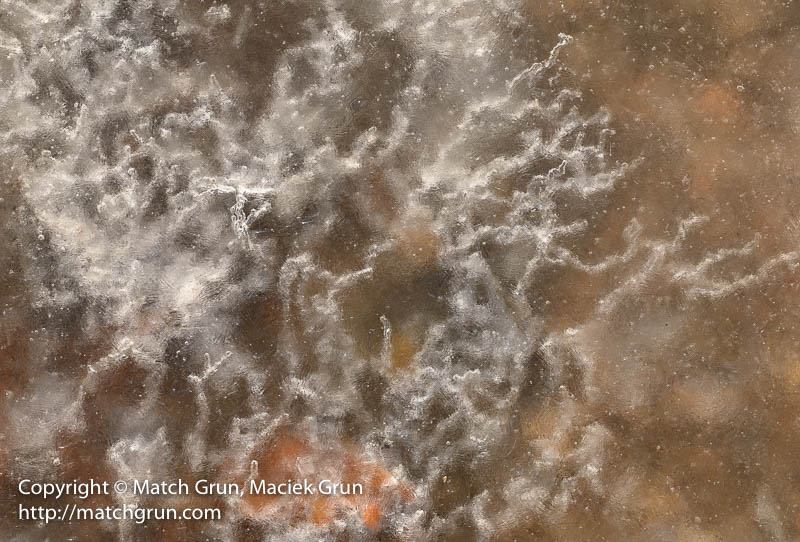
This image reminds me of the images of nebulae that were captured by the Hubble telescope.
Ice Nebula.
The was a wide variety of different colors that could be found. This looks like the surface of an ice planet against the dark of the night.
Ice, Light And Dark.
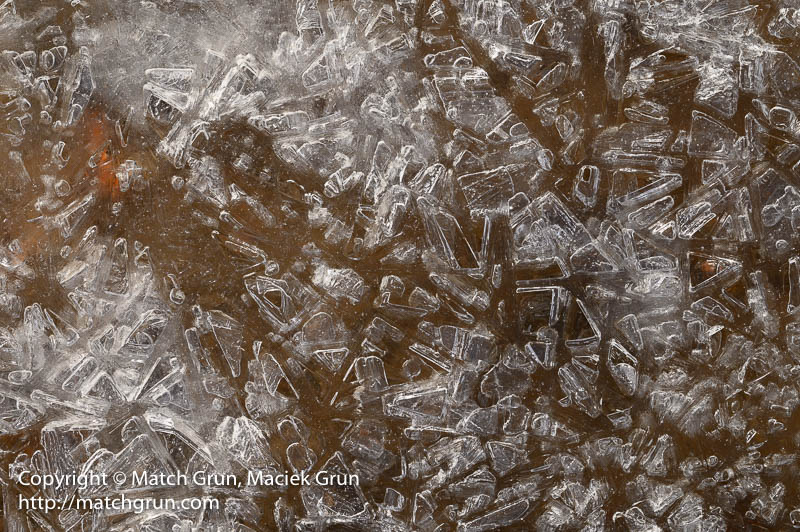
Did someone throw out some ice crystals out into the street?
Ice Crystals.
That was a lot of fun capturing all those ice patterns. Some thing that would be difficult to do in the spring or summer!
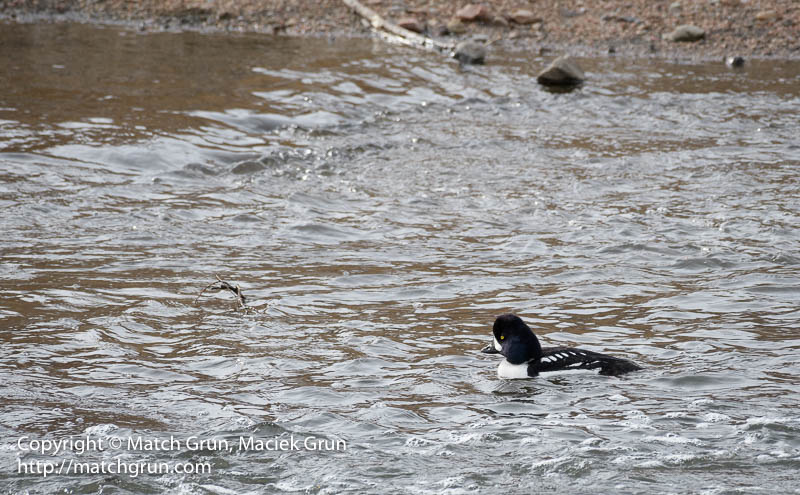
Sounds like a Bond movie! We heard that there was a Pipit along the South Platte River. Also, we heard that a Barrow’s Goldeneye was also spotted. So yesterday, we headed to the location on the South Platte. Birds often keep returning to the same location every year. This Goldeneye was no exception — last year we saw him there.
Barrow’s Goldeneye Male, South Platte.
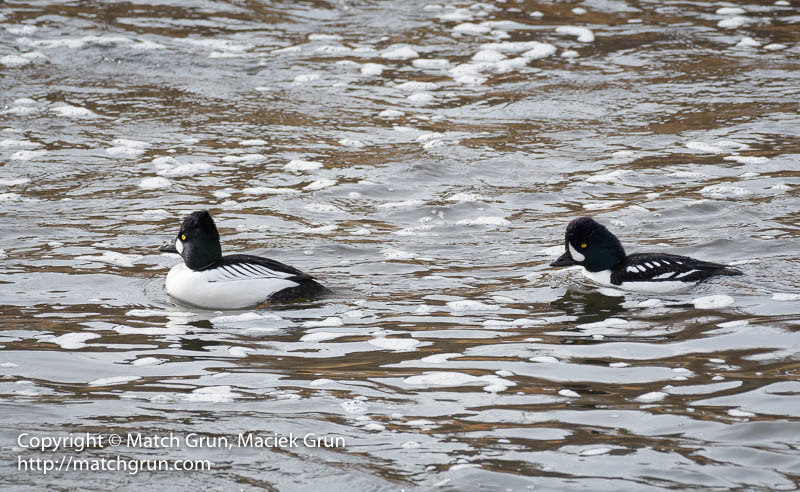
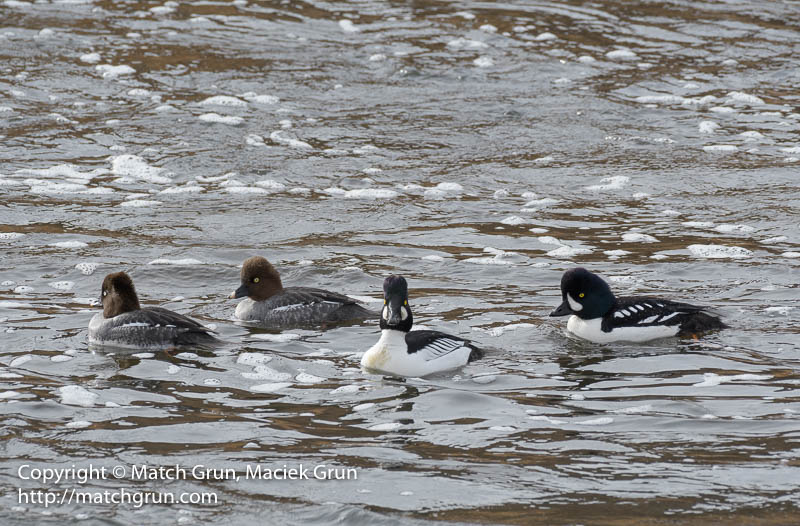
The Platte River has several Goldeneyes that are resident during the winter. The Common Goldeneye is very common. So, will we see both male Barrow’s Goldeneye and Common Goldeneye at the same location?
Barrow’s Goldeneye And Common Goldeneye Male.
The Barrow’s Goldeneye male has white spots rather than the black stripes that separate the while plumage. And what about male and female Barrow’s and Common Goldeneyes?
Mixed Goldeneyes, Male And Female, South Platte.
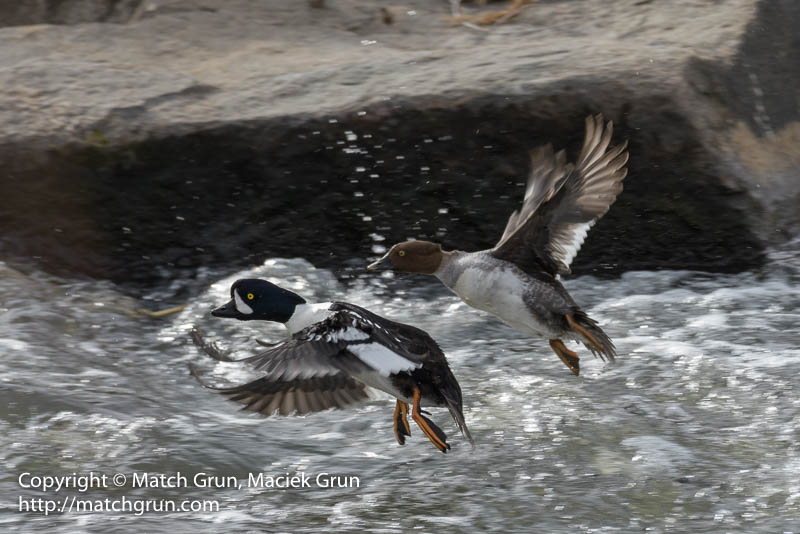
The females are difficult to tell apart. So we don’t know whether we saw female Barrow’s. But a couple of the females were following the male Barrow’s Goldeneye. While photographing, I noticed some movement as the male took flight upstream. Two females followed him; one female bird was at the top edge of the frame.
Barrow’s Goldeneye Pair, In Flight, No 1.
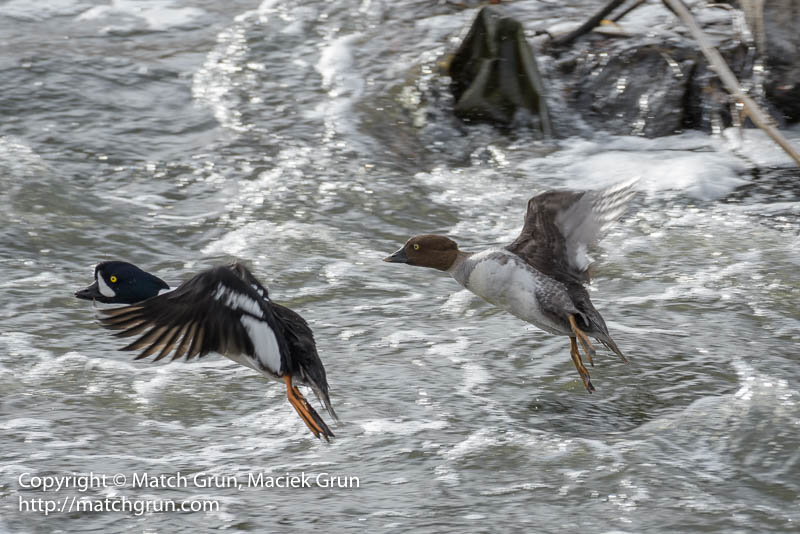
I managed to get a second image as I panned to follow the ducks’ flight path.
Barrow’s Goldeneye Pair, In Flight, No 2.
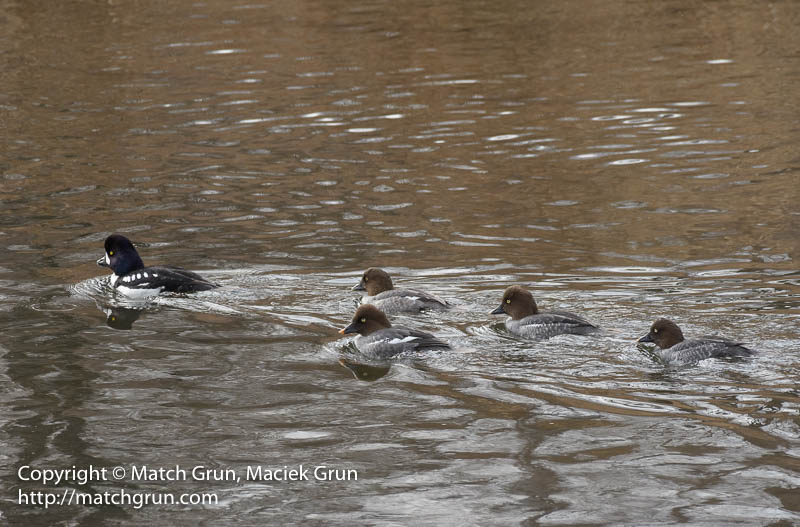
The male Barrow’s Goldeneye landed back in the water. When we caught up with the bird, there were four females accompanying him.
Barrow’s Goldeneye, Male And Females, No 1.
Looks like those females were really attracted to the male. Was he trying to swim away?
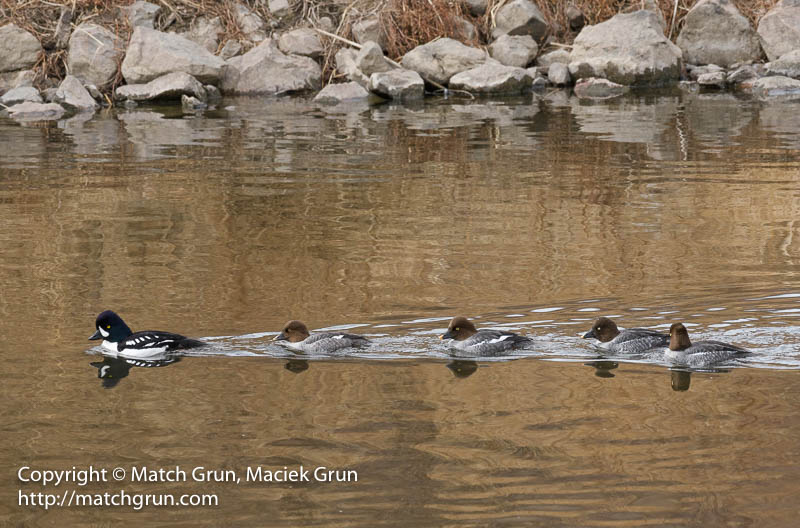
Barrow’s Goldeneye, Male Leading And Females, No 1.
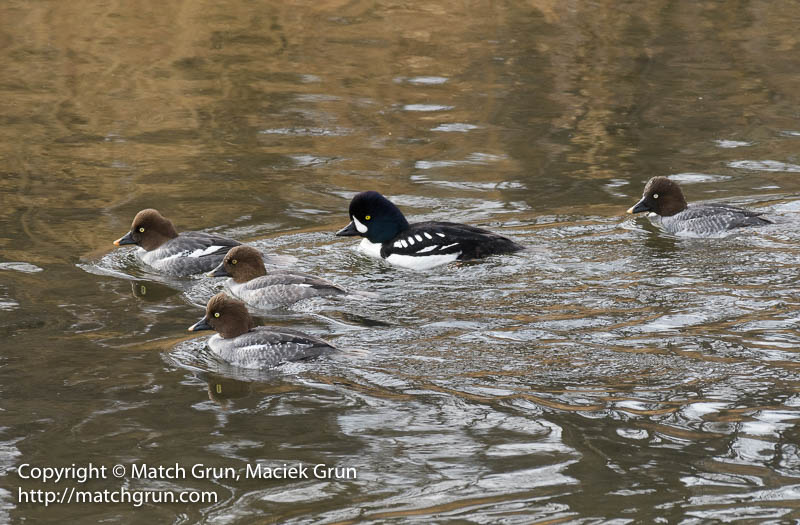
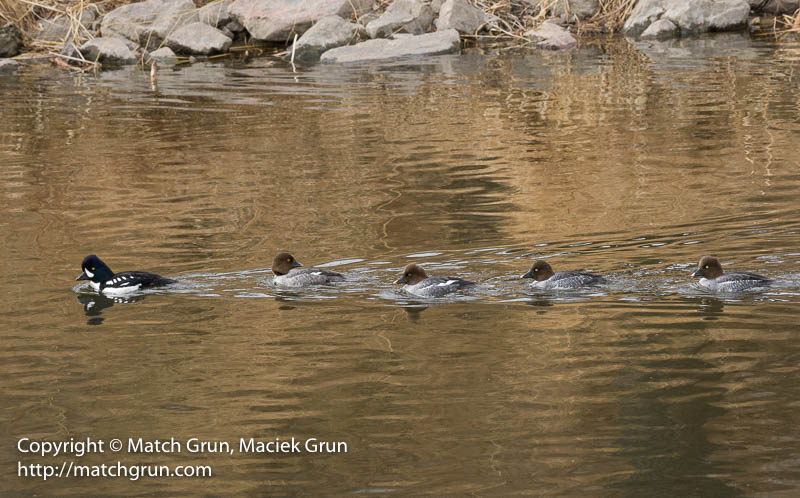
The group proceeded to swim upstream in one long line, with the females trailing the male.
Barrow’s Goldeneye, Male Leading And Females, No 2.
I made several images of this group. I like the image below, where the female in the lead looked back wards. Was she checking for competition from the other three females?
Barrow’s Goldeneye, Male Leading And Females, No 3.
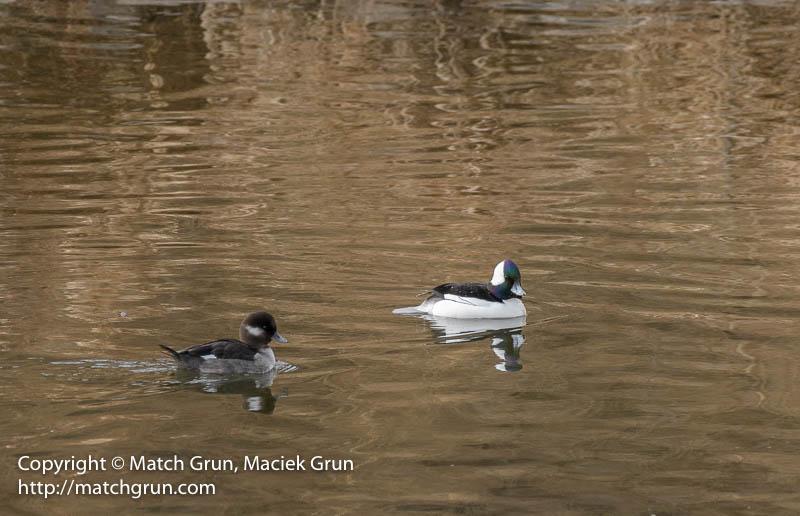
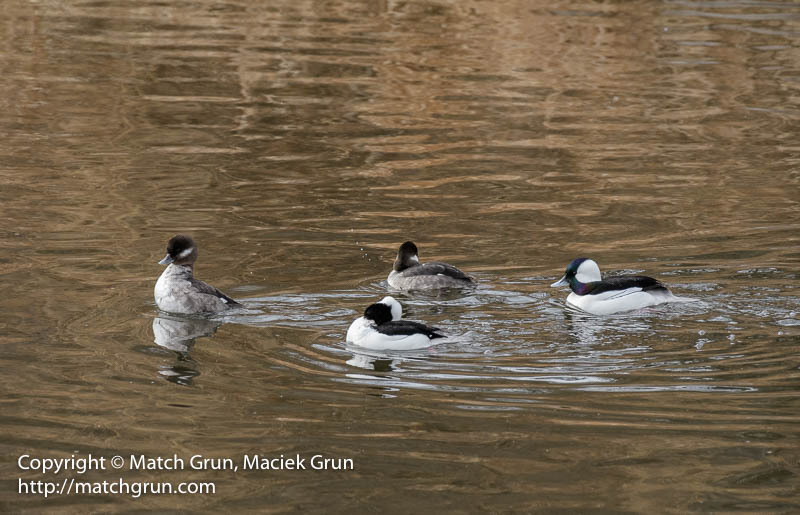
Soon we headed back towards the parked truck. I noticed a few Bufflehead ducks. In this image, I found a male and female pair swimming together.
Bufflehead Pair, South Platte.
They soon joined some more Buffleheads, below.
Bufflehead Group, South Platte.
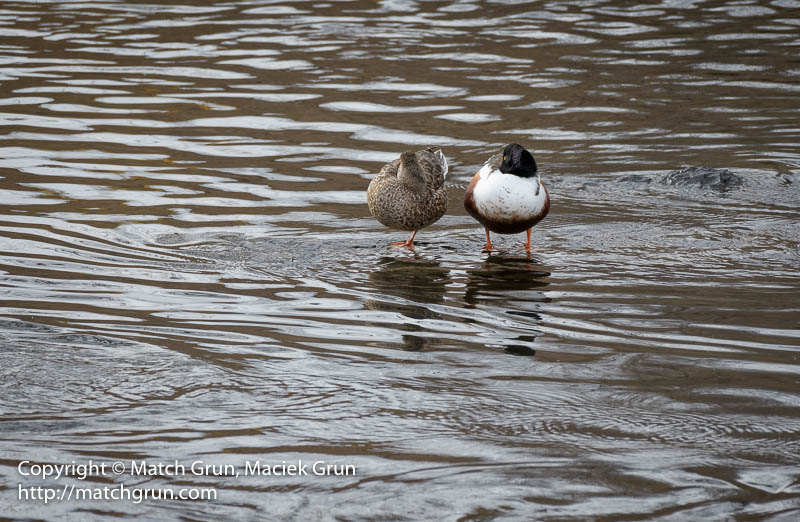
The river always has a large number of Northern Shovelers. As we walked further, I noticed this male and female, standing as on stilts, next to one another.
Northern Shoveler Pair, Dozing.
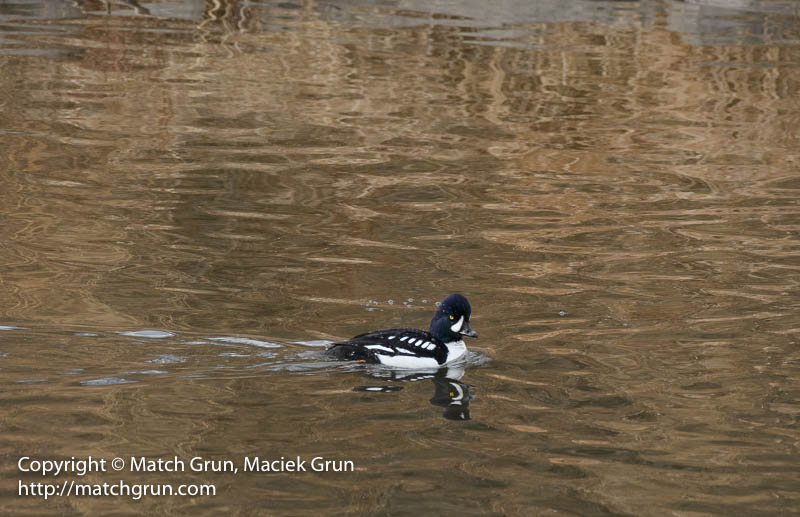
Finally, the male Barrow’s had turned around and headed downstream. Was he able to break free from those four femaies?
Barrow’s Goldeneye Male, Swimming Away.
We both enjoyed the trip to see the Goldeneyes. We never did get to see the Pipit that was reported earlier in the day.