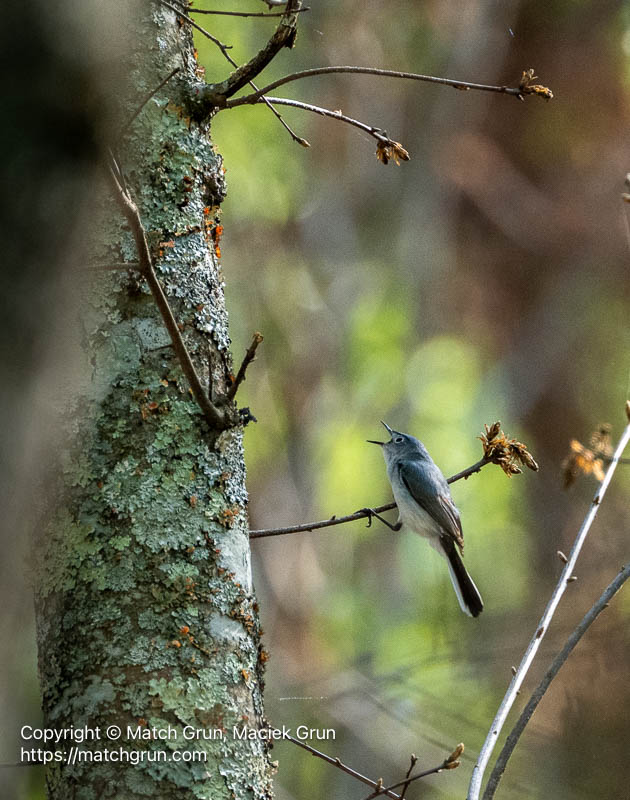
For day 2 of our birding trip, we headed to Nassawango Creek in Maryland. We would spend most of the day looking for forest birds. Soon after arrival at the creek, we exited our bus. From the roadside we could hear several birds calling. Our guide described some of the birds that we were hearing, including a Blue-Gray Gnatcatcher. I captured this little bird as it was calling out from a perch.
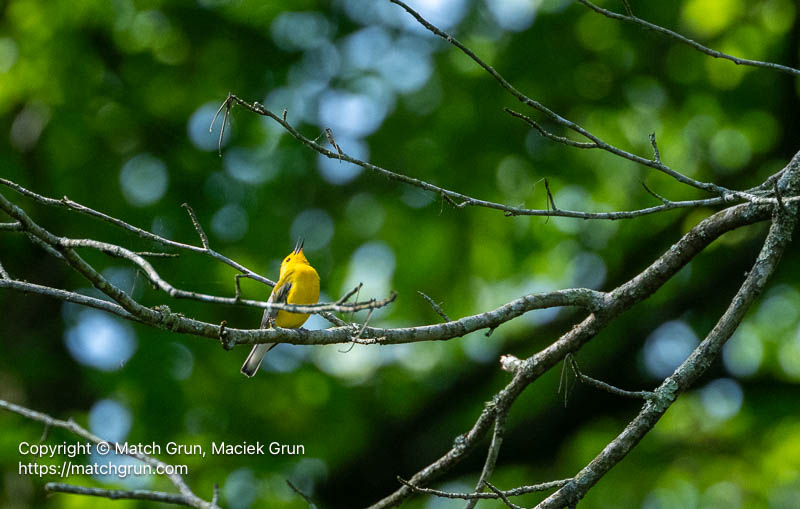
As we continued walking along the road, our guide pointed out the call of a Prothonotary Warbler. After searching through the forest canopy we found this distinctive warbler calling out from its perch. This little guy was very vocal and stayed perched on this branch for 10 minutes or so. This gave ample opportunity for all of us to view the bird before it flew off.
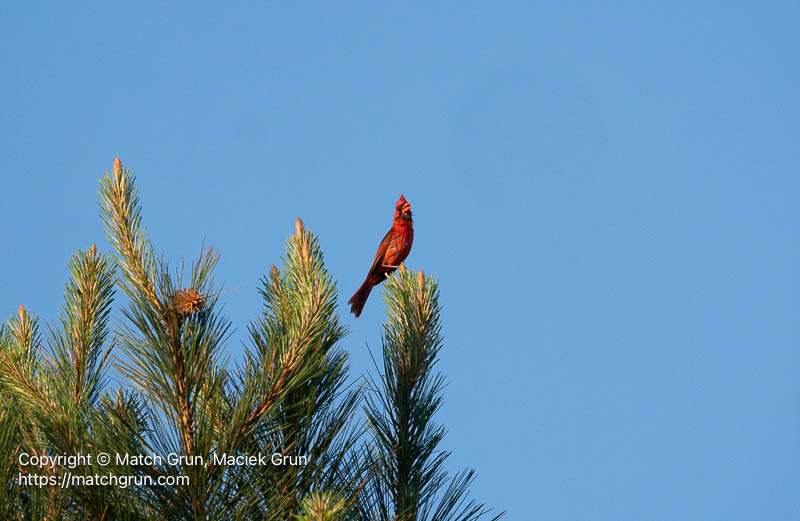
Before breakfast on Day 3, this male Norther Cardinal had perched atop a pine tree at the Field Station.
Following breakfast, a trip to Wallops Island was on the agenda. Wallops Island is home to a NASA and US Navy facility. However, we had access to the beach for birding. We spent the time on the beach below the high tide water line. This was done so that nesting areas on the beach were protected from human traffic.
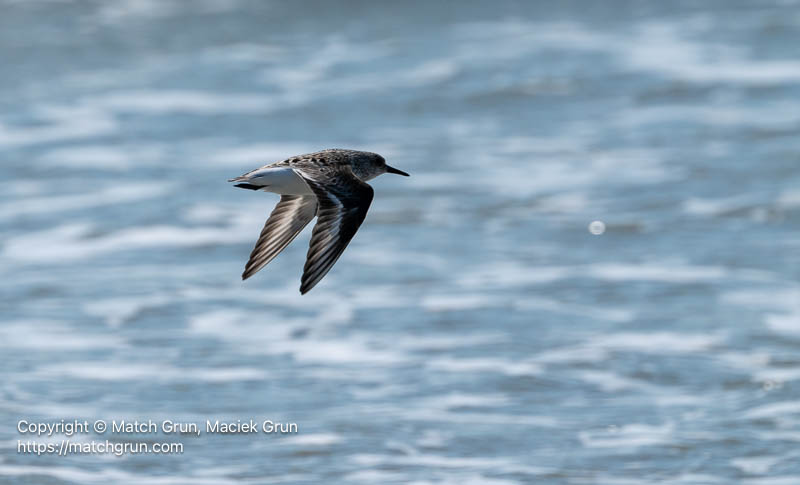
Sanderling are shorebirds that frequent many of our coastal beaches. Typically, they run down to the water’s edge to feed; when a wave breaks on the shore they rush back up the beach to stay out of the water. I managed to capture a Sanderling in flight as it flew above the waves to reach the beach behind us.
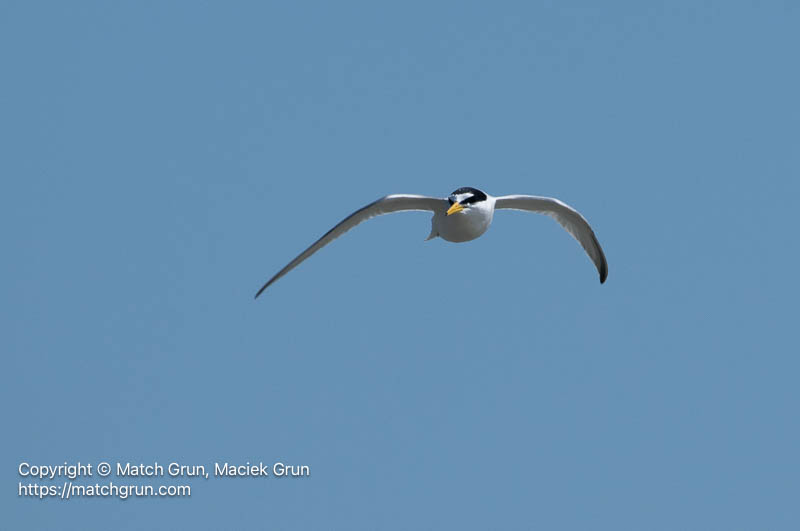
We proceeded along the bread until we reached a small river mouth. Several species of Tern feed on small fish at sea, or in marshes or in rivers. Here a Least Tern was in flight foraging for a meal.
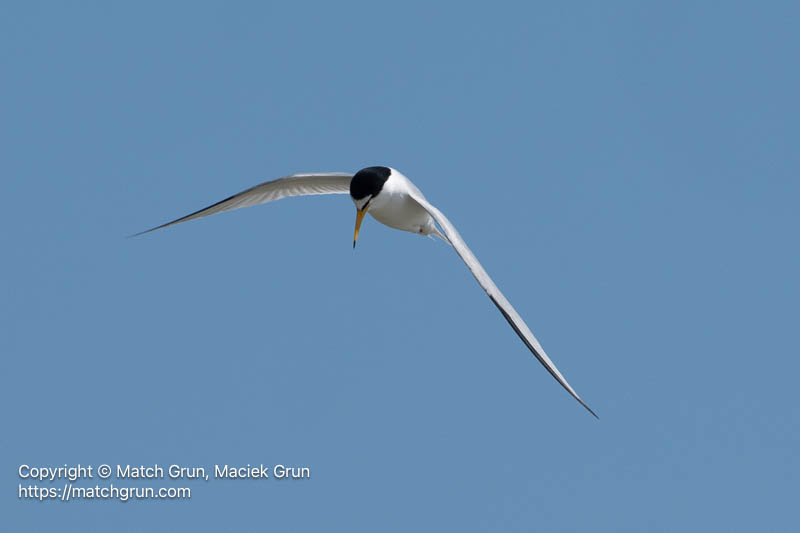
After a while, it spotted a fish and banked. Least Terns typically hover about a spot where they locate a fish. Then they dive down, into the water, to retrieve the food.
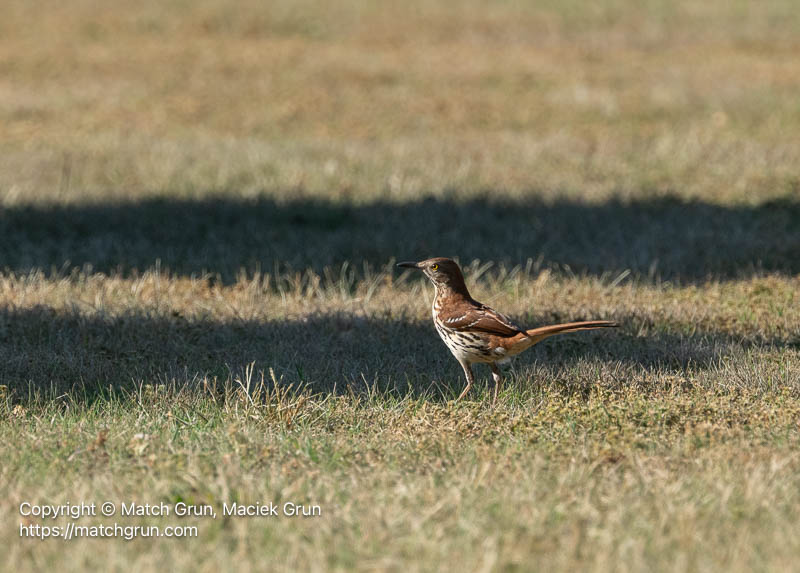
Later that day, we had a free afternoon that was spent at the Field Station. Several Brown Thrashers had been seen whilst we were here. I waited until one had landed in the grass close to where we were seated to capture this image in the late afternoon.