
After breakfast, we headed out to the first birding location of the day. This involved a bus ride across a causeway to the town of Chincoteague. At the harbor, we boarded a pontoon boat for a trip in the Chincoteague Channel.
The channel has several marshes and islands. During the morning trip, it was high tide, so we had many options for navigating the marshes. Many shorebirds and ocean birds reside here or migrate along the east coast during Spring Migration. We passed close by one of the islands where a group of Brown Pelicans had assembled.
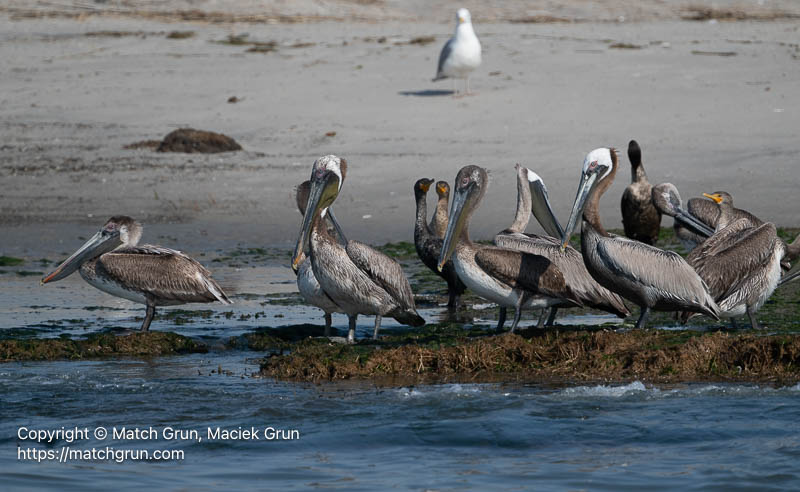
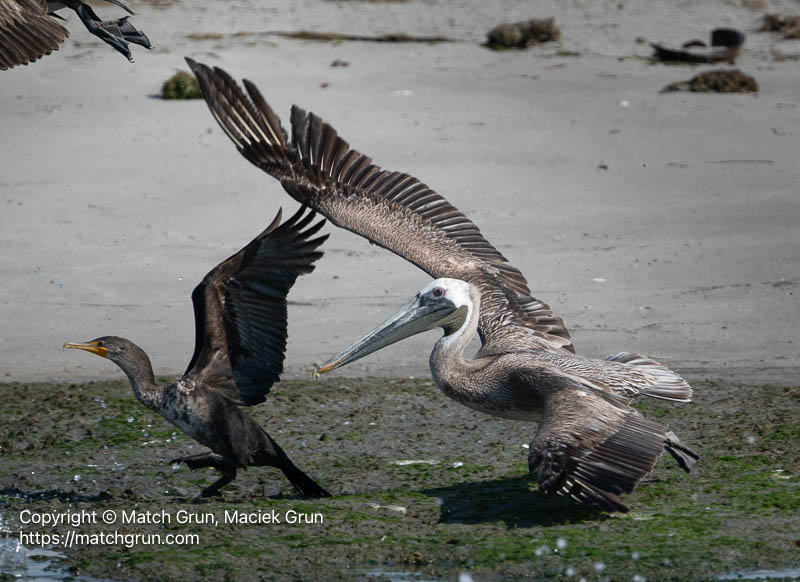
As we passed, most of the Pelicans took flight, so I had an opportunity to capture several birds. These pelicans have huge wingspans so that they can fly and glide above the ocean. In the image below, several pelicans had taken flight, but I managed to capture a pelican and cormorant as they took flight.
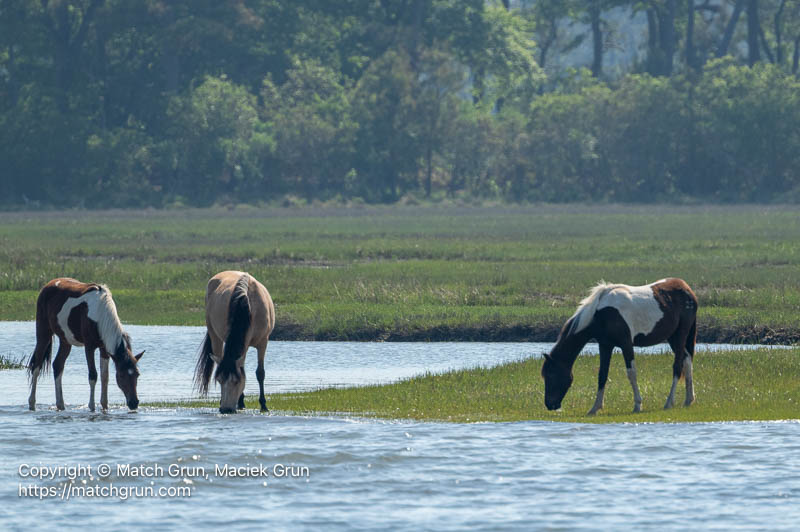
The boat trip also passed by the National Wildlife Refuge. From the boat, we saw several ponies that are located in the refuge. These a descendants of the original horses that were set free in the area many decades ago.
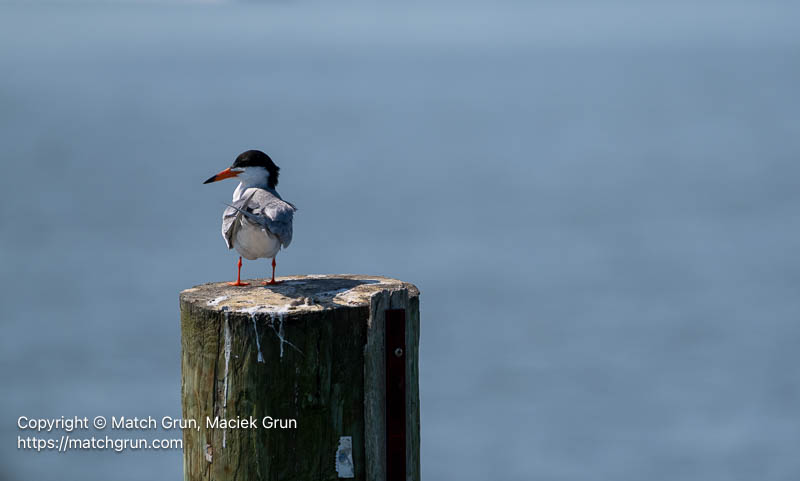
We turned back towards the harbor. During the whole of the boat trip, Scott, our birding leader for the week, called out many species of birds that we would the seeing. This helped us to identify different birds along the route. One of the birds we passed was a Forster’s Tern that was perched atop a post beside us.
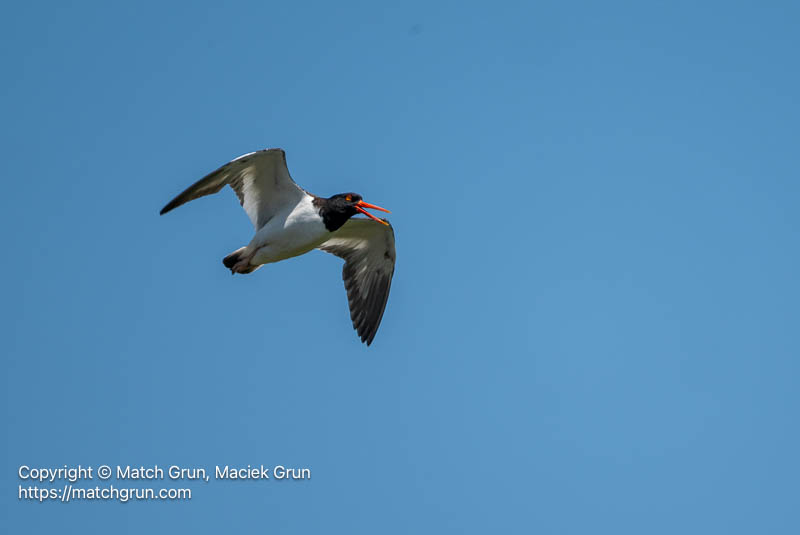
Towards the end of the morning, we returned to the Field Station for lunch before making a second birding trip the Chincoteague National Wildlife Refuge that afternoon. We had seen several American Oystercatchers during the morning; they were either foraging or sitting on nests among the marsh grasses. In the afternoon several Oystercatchers were in flight through the refuge. I managed to capture several images of these shorebirds. They are very distinctive with black heads and red bills and eyes.
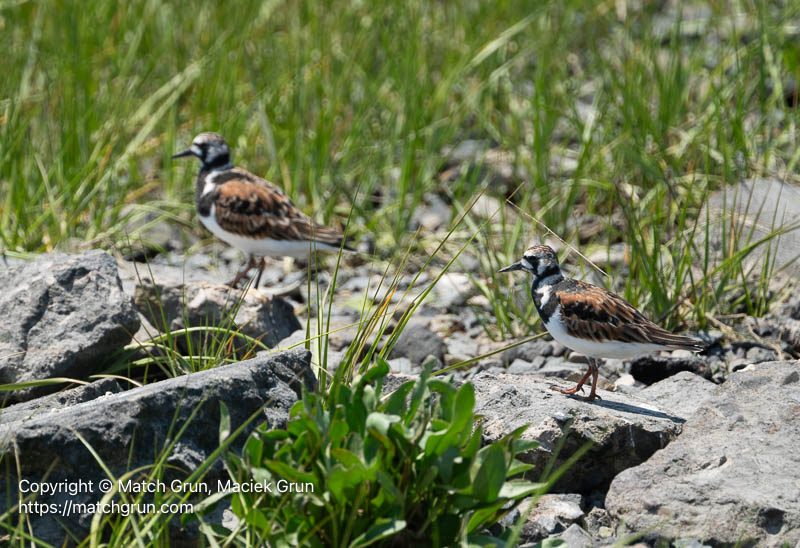
We stopped at along the road that was surrounded by water on both sides. By the time we had arrived, the tide had ebbed. This exposed mud and shoreline for many shore birds to forage upon. Here we found several Ruddy Turnstones that were working along the shore. Even with their distinctive plumage, they are very well camouflaged against surrounding rocks and grasses!
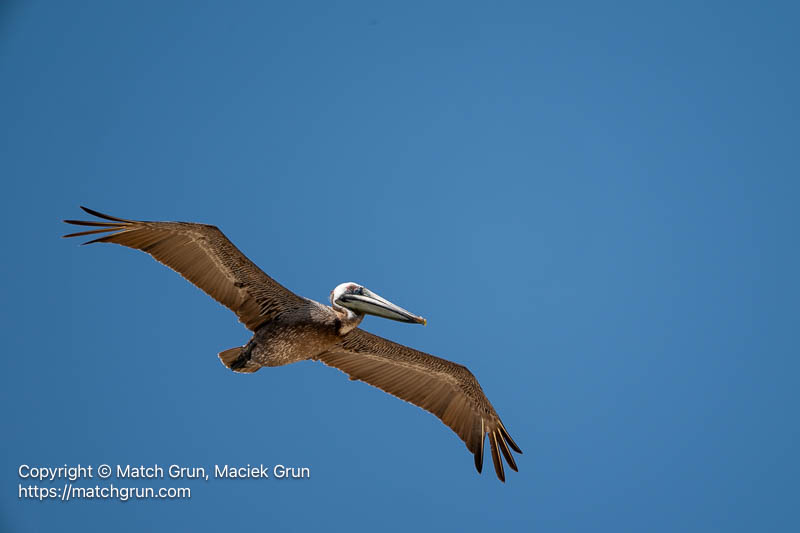
While at the beach, one Brown Pelican few close by above the waves. In flight, one can appreciate the huge wingspan of these birds.
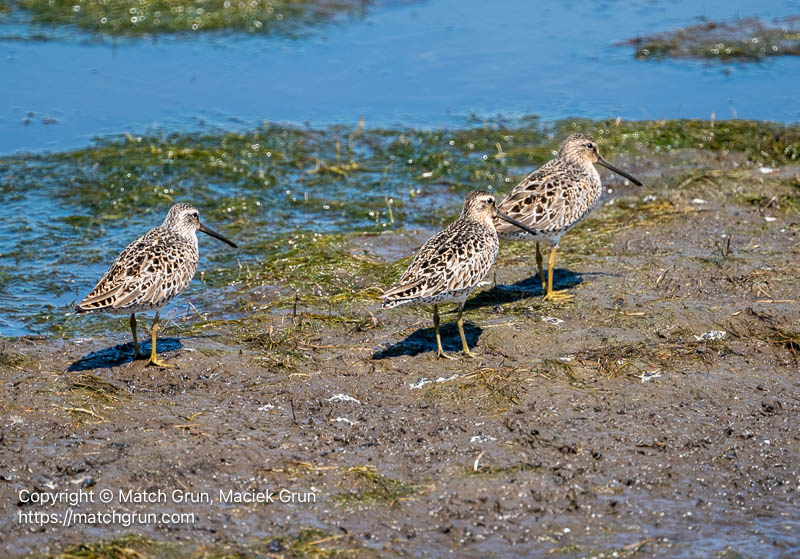
Along the muddy shoreline, several groups of Short-Billed Dowitchers were foraging. These birds have long straight bills. As the forage, they use their bills like sewing machines to dig and locate crustacea and food in the mud.
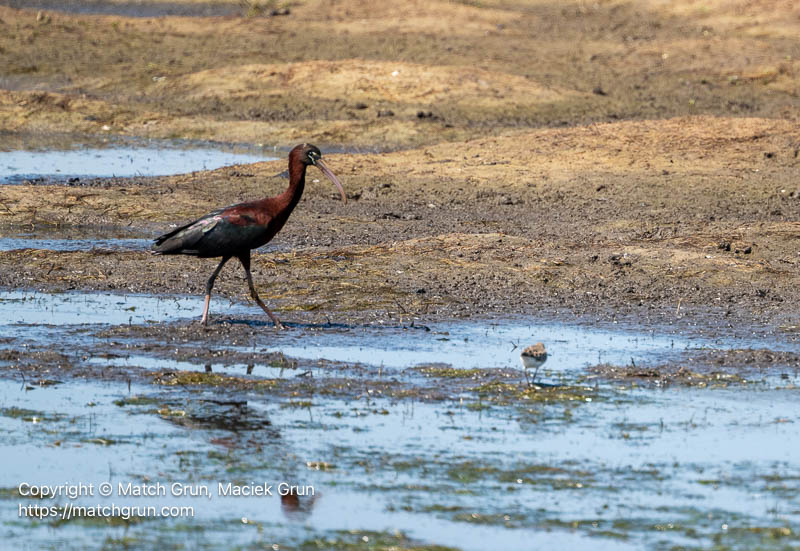
Several Black-Faced Ibis were working on the far shore. They soon made their way close to us, where I could capture an image that shows their long downward-curved bills. They typically forage for crustacea, snails and worms in the muddy shore.
That was an amazing set of two birding trips where we got familiar with many different species of shorebirds.